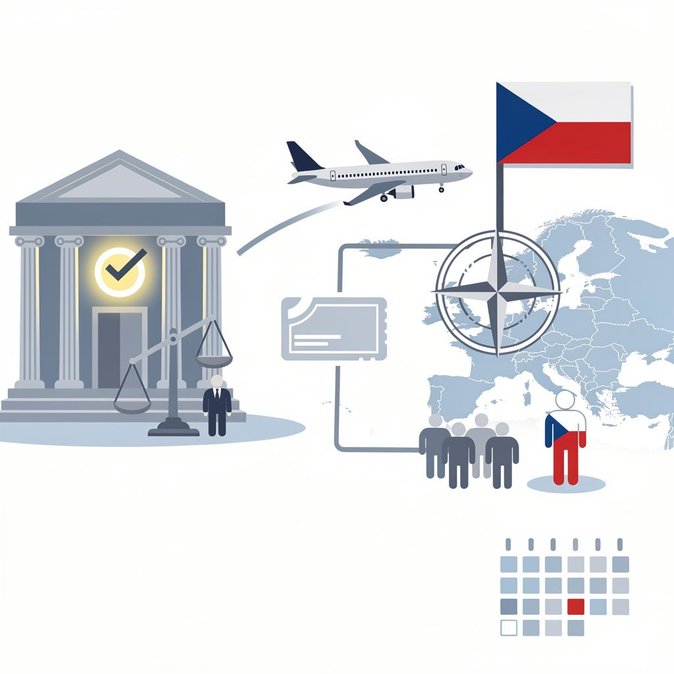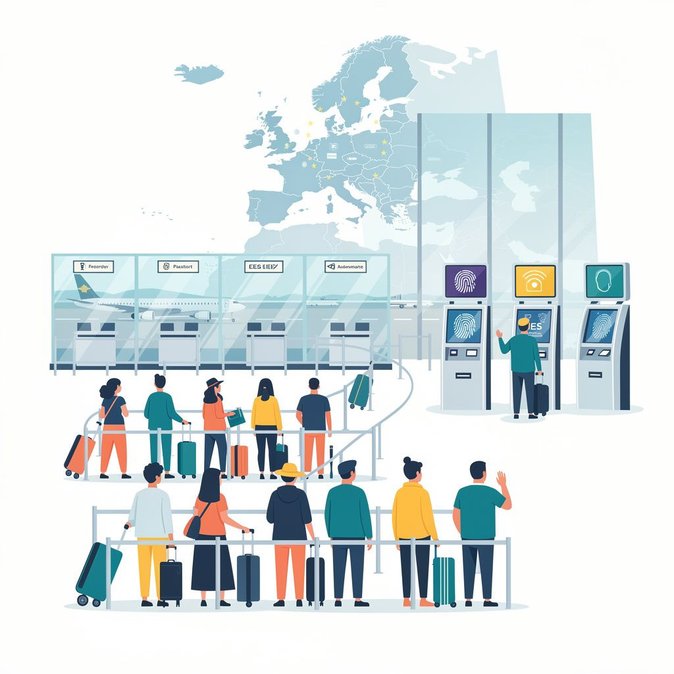
Delegates to ACI EUROPE’s 36th Annual Congress, meeting this week at Prague’s O₂ Universum, voted on 24 June to give Stefan Schulte—CEO of Frankfurt operator Fraport AG—a second one-year mandate as president of the 600-airport trade body. Schulte’s re-election matters for Czechia because Prague Airport is battling many of the same headwinds Schulte outlined: tight capacity, escalating decarbonisation costs and looming entry-exit system (EES) queues at Schengen borders.
Whether you’re an airport executive flying in for policy consultations or a business traveller routing teams through the Czech capital, ensuring the right travel documents are in order is just as critical as understanding the latest slot rules. VisaHQ’s Czech Republic portal (https://www.visahq.com/czech-republic/) streamlines visa and passport services, offering real-time requirements, application support and courier handling so delegates can focus on the substance of meetings like ACI EUROPE instead of paperwork.
His policy priorities—stable user-fee regulation, continued slot-rule reform and EU incentives for sustainable-aviation-fuel infrastructure—align closely with the Czech Transport Ministry’s own 2030 aviation roadmap. The new ACI EUROPE Board line-up also brings fresh voices from Athens, Brussels, Berlin and Heathrow, creating additional channels for Czech agencies and service providers to plug into EU-wide technical working groups on border biometrics, multimodal connectivity and rail-to-air links. For mobility professionals the takeaway is clear: decisions hammered out in Prague this week will shape the regulatory climate in which airports—Prague included—set charges, queue-times and emissions targets. Multinational companies moving staff through Czechia should monitor forthcoming ACI lobbying papers, as they will inform the EU’s revised Aviation Strategy expected later this year and, by extension, visa-waiver reciprocity discussions and potential passenger-charge adjustments.
Whether you’re an airport executive flying in for policy consultations or a business traveller routing teams through the Czech capital, ensuring the right travel documents are in order is just as critical as understanding the latest slot rules. VisaHQ’s Czech Republic portal (https://www.visahq.com/czech-republic/) streamlines visa and passport services, offering real-time requirements, application support and courier handling so delegates can focus on the substance of meetings like ACI EUROPE instead of paperwork.
His policy priorities—stable user-fee regulation, continued slot-rule reform and EU incentives for sustainable-aviation-fuel infrastructure—align closely with the Czech Transport Ministry’s own 2030 aviation roadmap. The new ACI EUROPE Board line-up also brings fresh voices from Athens, Brussels, Berlin and Heathrow, creating additional channels for Czech agencies and service providers to plug into EU-wide technical working groups on border biometrics, multimodal connectivity and rail-to-air links. For mobility professionals the takeaway is clear: decisions hammered out in Prague this week will shape the regulatory climate in which airports—Prague included—set charges, queue-times and emissions targets. Multinational companies moving staff through Czechia should monitor forthcoming ACI lobbying papers, as they will inform the EU’s revised Aviation Strategy expected later this year and, by extension, visa-waiver reciprocity discussions and potential passenger-charge adjustments.