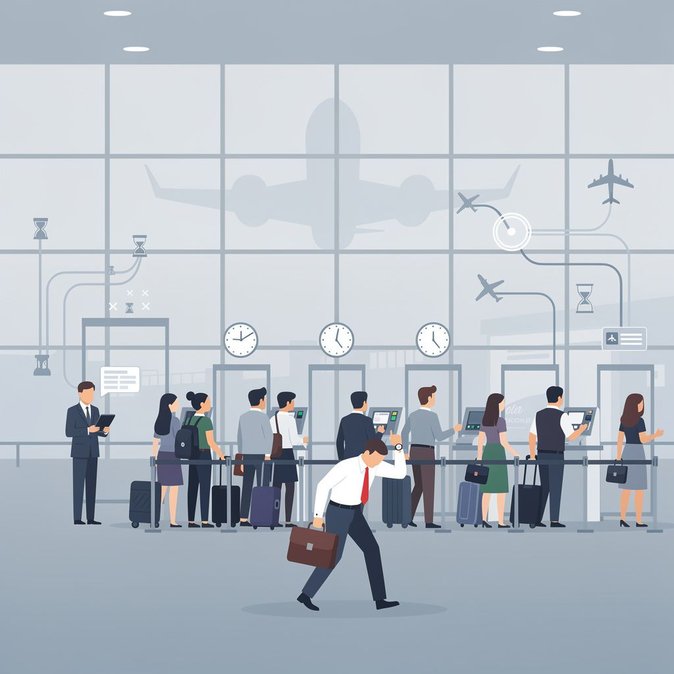
Frankfurt Airport operator Fraport has sounded an early-summer alarm: between 26 June and 9 August the hub expects about nine million passengers—roughly 95 % of pre-pandemic volume—and it fears the EU’s new biometric Entry/Exit System (EES) will create bottlenecks at non-Schengen border booths. EES, fully operational since April 2026, records the fingerprints and facial images of every third-country national entering or leaving the Schengen Area. While designed to tighten security and automate passport stamping, it adds 30–45 seconds per traveller in first-time enrolment, and airline and airport associations say that quickly scales into hours when aircraft arrive in waves. Fraport therefore advises all non-EU passengers—including the thousands of Czech business- and leisure travellers who route through FRA to Asia-Pacific and the Americas—to be at the airport at least three hours before departure. Transfer passengers are told to plan an extra 60 minutes for connections until mid-August. For corporations running mobility programmes out of Prague the warning has immediate implications. Czech multinationals typically buy mid-haul tickets via Frankfurt because the Prague long-haul network is still rebuilding; a missed connection can mean overnight accommodation and lost billable hours. Travel managers are updating duty-of-care dashboards and re-sequencing itineraries so that meetings begin later on arrival days. Airlines are also adjusting minimum connecting times in booking systems, pushing some itineraries into the next fare bracket. Fraport stresses that the problem is not capacity but process—116 e-gates are installed, yet the first registration must still be supervised by a border officer. The company has drafted 200 temporary staff to marshal queues and speed data capture. German federal police (Bundespolizei) say they will open auxiliary booths at peak waves, but concede that waits of 45–60 minutes “cannot be ruled out”. Because the Czech Republic is inside Schengen, returning Czechs are not affected on inbound legs; the pain point is primarily on the outbound leg or on outward connections outside the zone. In the medium term, Fraport believes biometrics will cut average processing time once most travellers are in the database. Until then, Central European corporates may find Amsterdam or Munich attractive alternates, or—if travel is intra-Schengen—connect via Vienna to avoid a second data capture. Mobility advisers urge firms to brief travellers clearly: passport validity, no sunglasses at kiosks, have fingerprints ready, and keep onward tickets handy. The episode is the first real-world stress test of EES in holiday season; how Frankfurt performs will set expectations for Prague’s own external border points at Václav Havel Airport when Czech police switch fully to EES later this year.
Source: Goldesel.de
How VisaHQ can help
VisaHQ simplifies the visa application process for individuals and businesses. Check current travel requirements, prepare the required documents and manage your application online through the VisaHQ Czech Republic portal.More From Czech Republic
View all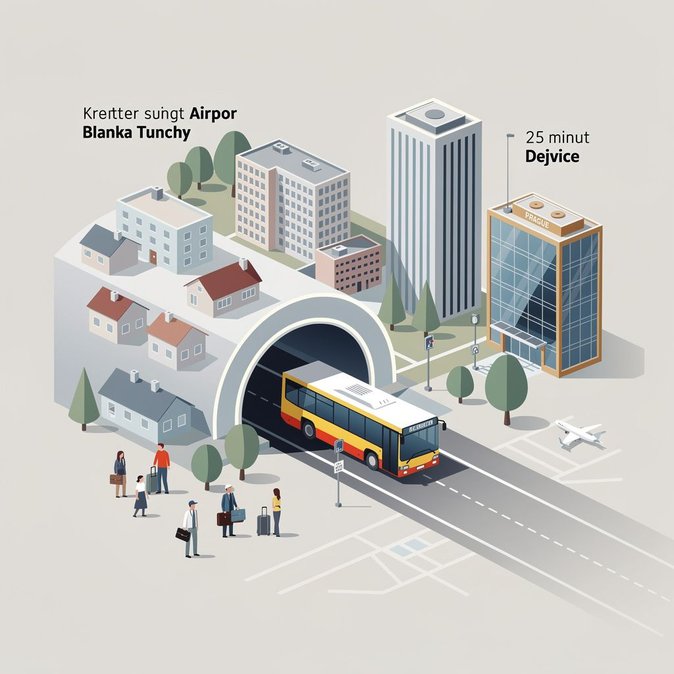
Prague to launch direct bus service through Blanka tunnel, cutting cross-town commute for expats and airport staff
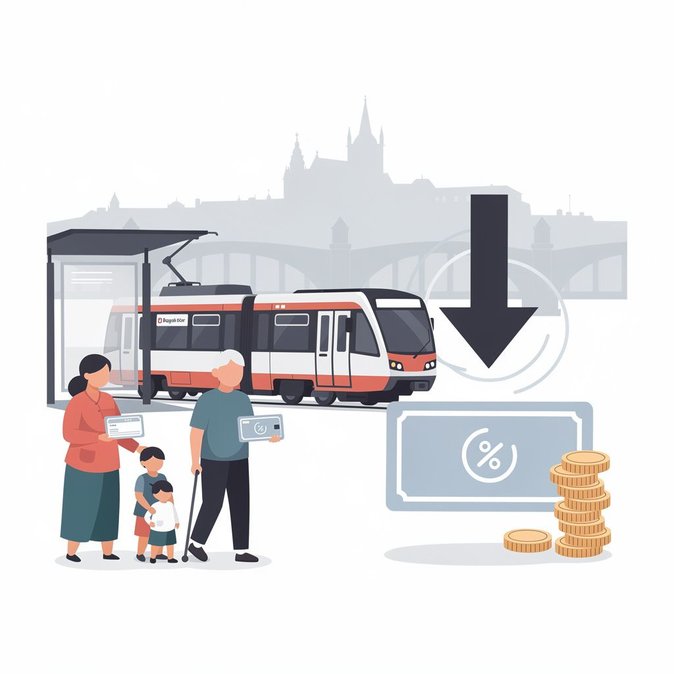
Prague Re-Introduces 70 % Public-Transport Discount for Residents on New ‘Super-Benefit’ Welfare Scheme