On 25 June the Bureau of Civil Aviation Security (BCAS) published an updated compendium of air-travel tips on India’s National Portal, replacing the 2019 advisory.
For travellers who want to stay ahead of such regulatory shifts, VisaHQ offers a one-stop portal (https://www.visahq.com/india/) that not only tracks aviation security updates but also streamlines visa and travel-document requirements. The service provides real-time alerts and assistance, helping individuals and corporate travel teams navigate airport rules and cross-border paperwork with confidence.
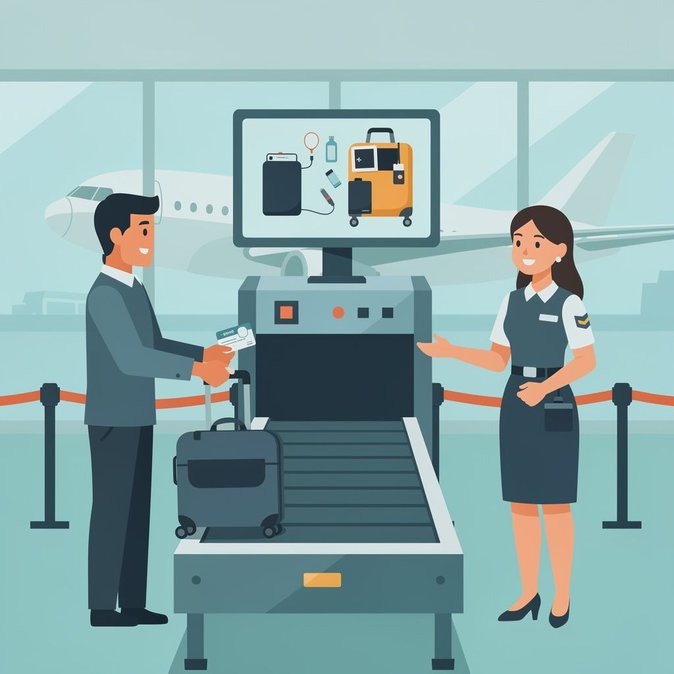
The document consolidates rules on carrying power banks (allowed only in cabin baggage), updated limits on liquids (100 ml per container in a one-litre re-sealable bag) and new provisions for small electronics that must be removed from hand luggage during screening. The guidelines come amid record summer traffic that has stretched security-check queues at metro airports to more than 35 minutes during morning banks. BCAS warns that failure to comply with power-bank rules is the single biggest cause of secondary inspections, accounting for 18 % of rechecks last quarter. The agency also reminds travellers that certain Ayurvedic powders now fall under ‘prohibited powders’ above 350 g. For corporate travel managers the advisory is a compliance tool: airlines can now deny boarding to passengers who refuse tamper-evident security bags for duty-free liquids purchased in transit. Companies shipping samples or demo products should note that tools such as torque screwdrivers are classified as blunt instruments and must be checked in. BCAS has asked airports to install additional shoe-screening trays and deploy dedicated ‘express lanes’ for passengers with only laptop bags, mirroring TSA Pre✓ in the US. The express lanes will debut at Bengaluru’s Terminal 2 next month before rolling out nationwide. Although the document is guidance rather than law, airports are expected to incorporate the recommendations into their Standard Operating Procedures within 30 days. Travellers who breach the rules could face on-the-spot fines of up to ₹10,000 under the Aircraft (Security) Rules 2023.
For travellers who want to stay ahead of such regulatory shifts, VisaHQ offers a one-stop portal (https://www.visahq.com/india/) that not only tracks aviation security updates but also streamlines visa and travel-document requirements. The service provides real-time alerts and assistance, helping individuals and corporate travel teams navigate airport rules and cross-border paperwork with confidence.
The document consolidates rules on carrying power banks (allowed only in cabin baggage), updated limits on liquids (100 ml per container in a one-litre re-sealable bag) and new provisions for small electronics that must be removed from hand luggage during screening. The guidelines come amid record summer traffic that has stretched security-check queues at metro airports to more than 35 minutes during morning banks. BCAS warns that failure to comply with power-bank rules is the single biggest cause of secondary inspections, accounting for 18 % of rechecks last quarter. The agency also reminds travellers that certain Ayurvedic powders now fall under ‘prohibited powders’ above 350 g. For corporate travel managers the advisory is a compliance tool: airlines can now deny boarding to passengers who refuse tamper-evident security bags for duty-free liquids purchased in transit. Companies shipping samples or demo products should note that tools such as torque screwdrivers are classified as blunt instruments and must be checked in. BCAS has asked airports to install additional shoe-screening trays and deploy dedicated ‘express lanes’ for passengers with only laptop bags, mirroring TSA Pre✓ in the US. The express lanes will debut at Bengaluru’s Terminal 2 next month before rolling out nationwide. Although the document is guidance rather than law, airports are expected to incorporate the recommendations into their Standard Operating Procedures within 30 days. Travellers who breach the rules could face on-the-spot fines of up to ₹10,000 under the Aircraft (Security) Rules 2023.