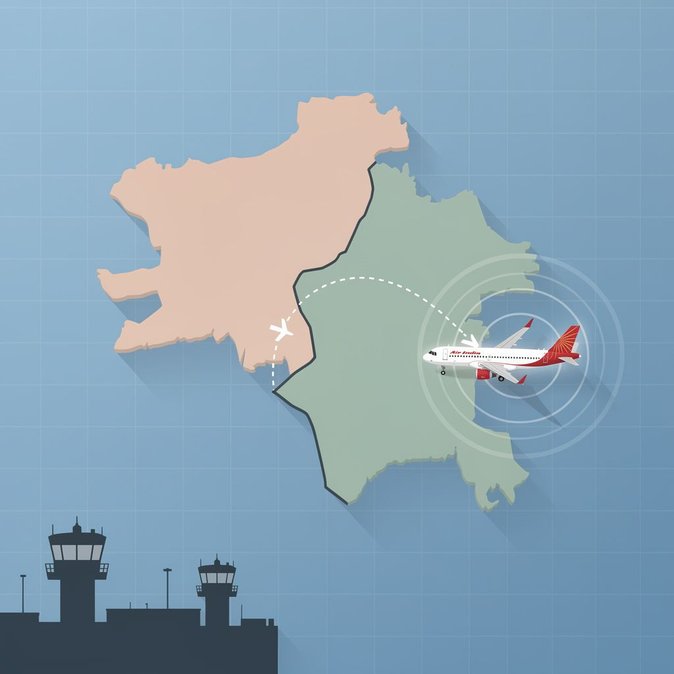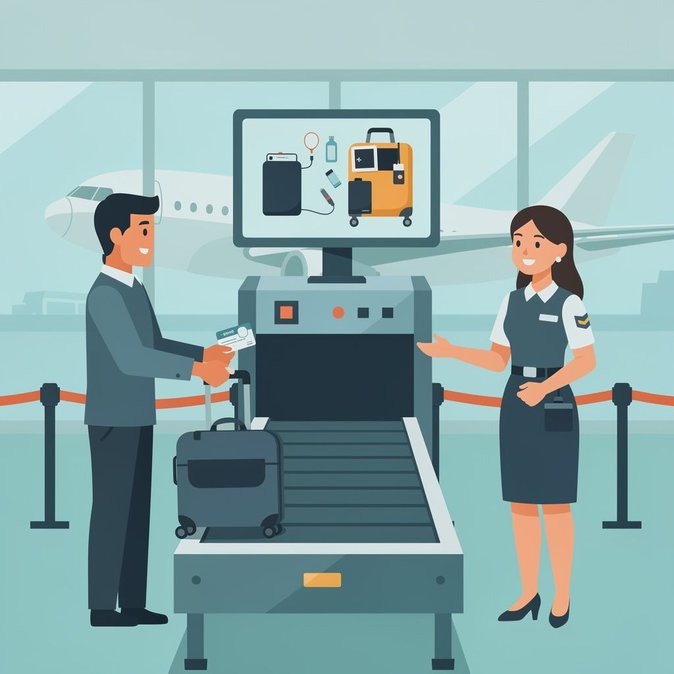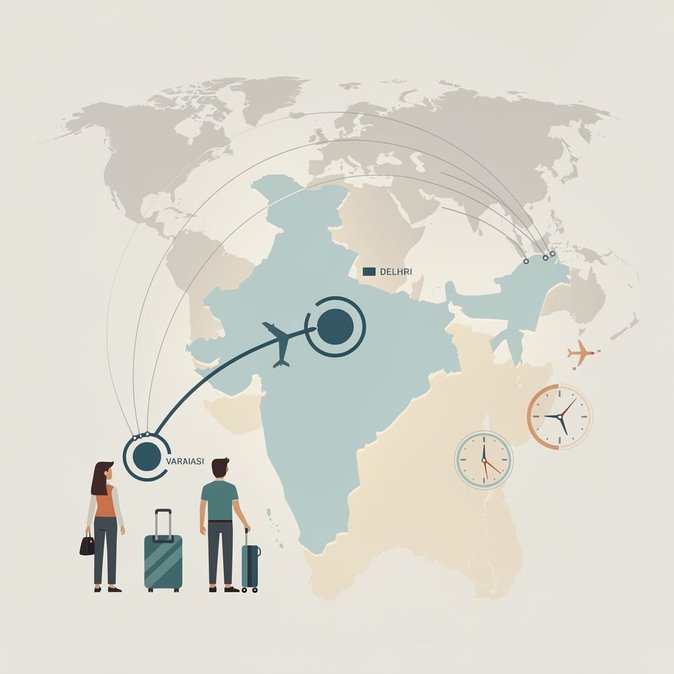
Civil Aviation Minister K. Rammohan Naidu on 25 June inaugurated India’s first hub-and-spoke international transfer network at Varanasi airport, branding the service ‘Easy Connect’. Operated initially by Air India, the model allows passengers to complete check-in, immigration and baggage formalities at their origin airport—Varanasi—and transfer through Delhi without repeating the process, cutting total transit time by up to two hours.
For travelers who also need to handle visa paperwork for onward journeys, VisaHQ can simplify matters just as Easy Connect simplifies flying. Through its India portal (https://www.visahq.com/india/), passengers can complete visa applications online, get step-by-step guidance and track approvals in real time, ensuring documentation is ready well before departure and removing another layer of travel stress.
The launch flight AI1111 carried 180 passengers connecting to 17 overseas destinations, including London, Rome and Singapore. Six additional spoke cities—Guwahati, Visakhapatnam, Patna and a yet-to-be-named western hub among them—will join the network within six weeks. IndiGo is expected to adopt the framework via Mumbai next month, according to ministry officials. Analysts say the initiative is pivotal to India’s ambition of capturing international transfer traffic that currently leaks to Gulf and Southeast Asian hubs. Almost 35 % of long-haul passengers from India transit foreign airports; retaining even half could inject an estimated $2 billion annually into domestic carriers and airports. For travellers from Tier-II cities, Easy Connect means single-ticket itineraries, through-checked baggage and reduced visa-risk because they clear Indian exit controls at the origin. Travel-management companies should update booking systems to reflect new through-fares and longer minimum-connection times at Delhi’s Terminal 3 while the process stabilises. Employers can save on hotel layovers for staff originating in smaller cities, boosting productivity. Meanwhile, airports designated as spokes must rapidly upgrade customs facilities and implement the Advance Passenger Processing system mandated by the Directorate General of Systems. Government officials emphasise that Easy Connect will dovetail with the UDAN regional-connectivity scheme and India’s target to become a global aviation hub by 2047. Success will depend on replicating the model across multiple airlines and ensuring seamless interline agreements—areas where policy support and private-sector coordination are still evolving.
For travelers who also need to handle visa paperwork for onward journeys, VisaHQ can simplify matters just as Easy Connect simplifies flying. Through its India portal (https://www.visahq.com/india/), passengers can complete visa applications online, get step-by-step guidance and track approvals in real time, ensuring documentation is ready well before departure and removing another layer of travel stress.
The launch flight AI1111 carried 180 passengers connecting to 17 overseas destinations, including London, Rome and Singapore. Six additional spoke cities—Guwahati, Visakhapatnam, Patna and a yet-to-be-named western hub among them—will join the network within six weeks. IndiGo is expected to adopt the framework via Mumbai next month, according to ministry officials. Analysts say the initiative is pivotal to India’s ambition of capturing international transfer traffic that currently leaks to Gulf and Southeast Asian hubs. Almost 35 % of long-haul passengers from India transit foreign airports; retaining even half could inject an estimated $2 billion annually into domestic carriers and airports. For travellers from Tier-II cities, Easy Connect means single-ticket itineraries, through-checked baggage and reduced visa-risk because they clear Indian exit controls at the origin. Travel-management companies should update booking systems to reflect new through-fares and longer minimum-connection times at Delhi’s Terminal 3 while the process stabilises. Employers can save on hotel layovers for staff originating in smaller cities, boosting productivity. Meanwhile, airports designated as spokes must rapidly upgrade customs facilities and implement the Advance Passenger Processing system mandated by the Directorate General of Systems. Government officials emphasise that Easy Connect will dovetail with the UDAN regional-connectivity scheme and India’s target to become a global aviation hub by 2047. Success will depend on replicating the model across multiple airlines and ensuring seamless interline agreements—areas where policy support and private-sector coordination are still evolving.