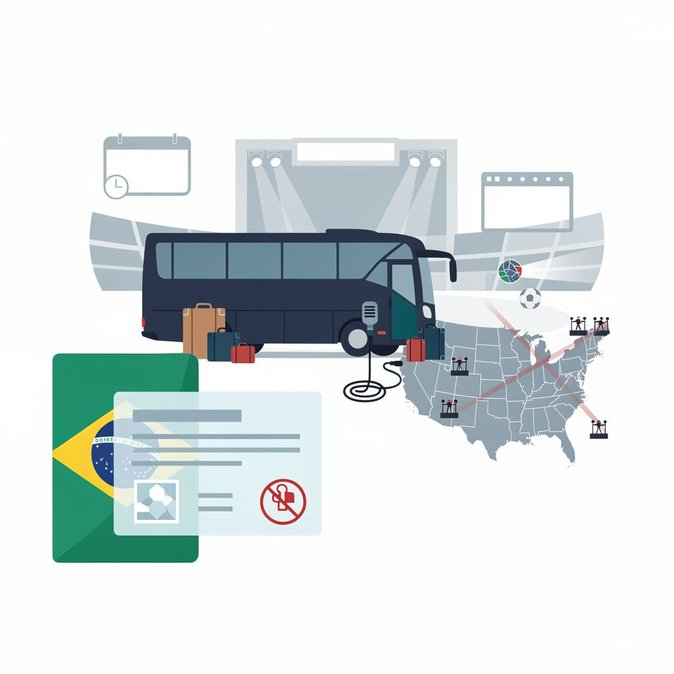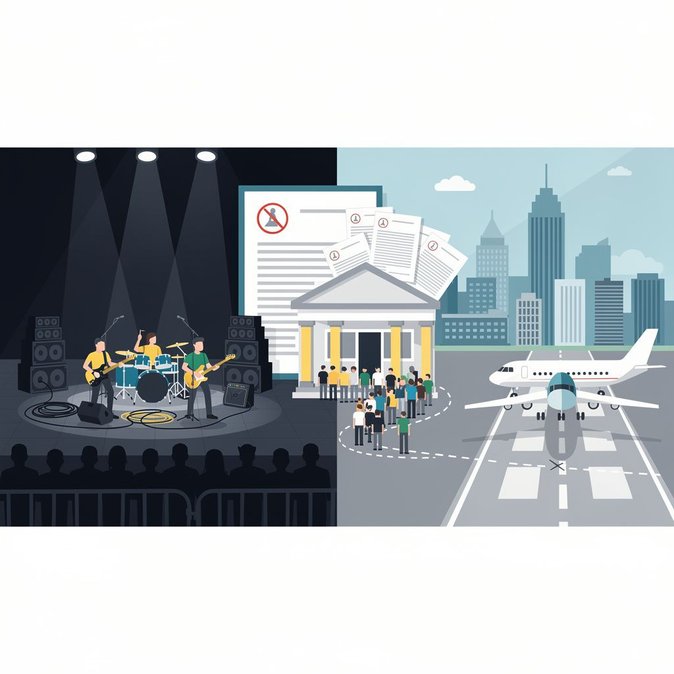
Brazilian rock stalwarts Capital Inicial scrapped a four-city U.S. tour on 25 June after the American Consulate refused visas for several key technicians and back-up musicians. The shows—scheduled for Boston, New York, Miami and Orlando between 24 and 28 June—were part of the band’s “Música Urbana” anniversary circuit and had already sold thousands of tickets to expatriate Brazilians. In a statement the group said all core performers held valid B-1/B-2 visas, but “indispensable members of the support crew” were denied entry without explanation despite having toured the United States previously. Promoters tried to hire local stagehands, yet union rules and insurance requirements made last-minute substitutions unworkable. Refunds are being processed through U.S. ticketing platform Eventbrite, and the band promised South American makeup dates later in the year. The incident has reignited debate over lengthy U.S. non-immigrant-visa processing for Brazilians. State-Department data show average wait times of 247 days in São Paulo and 193 days in Rio for B-category interviews as of mid-June 2026, compared with fewer than 30 days pre-pandemic. While interview waivers exist for certain renewals, first-time crew members still require in-person appointments. Industry association ABRAPE says 37 Brazilian acts have postponed or cancelled North-American shows this year, costing an estimated R$120 million in lost revenue and merchandising. Tour-management companies are urging the Brazilian Foreign Ministry to negotiate a blanket O- or P-visa facilitation programme similar to the UK’s 2024 deal with the United States. They also recommend that bands submit complete crew lists at least 12 months before departure and retain U.S. immigration counsel familiar with “221(g)” administrative-processing delays. Business-travel consultants note that the repercussions extend beyond entertainment: corporate road-shows often rely on freelance audio-visual teams that face the same consular hurdles. Mobility managers planning product launches or incentive events in U.S. venues should build visa contingencies into project timelines and budget for potential rescheduling fees.
Source: Bahia Notícias