Testifying before the House Appropriations Subcommittee on June 26, Homeland Security Secretary Markwayne Mullin laid out an aggressive plan to modernize U.S. immigration services with artificial-intelligence tools and a new mobile app. The first AI-enabled platform, he said, will go live "within 30 days" and will initially target the longstanding backlog of Deferred Action for Childhood Arrivals (DACA) renewals before expanding to other visa classes.
For applicants and employers preparing for these changes, VisaHQ can streamline the entire visa and immigration documentation process—everything from securing digital copies of passports to tracking application milestones—through its easy-to-use portal. Visit https://www.visahq.com/united-states/ to see how the service can reduce paperwork headaches and keep you informed as DHS transitions to AI-driven adjudication.
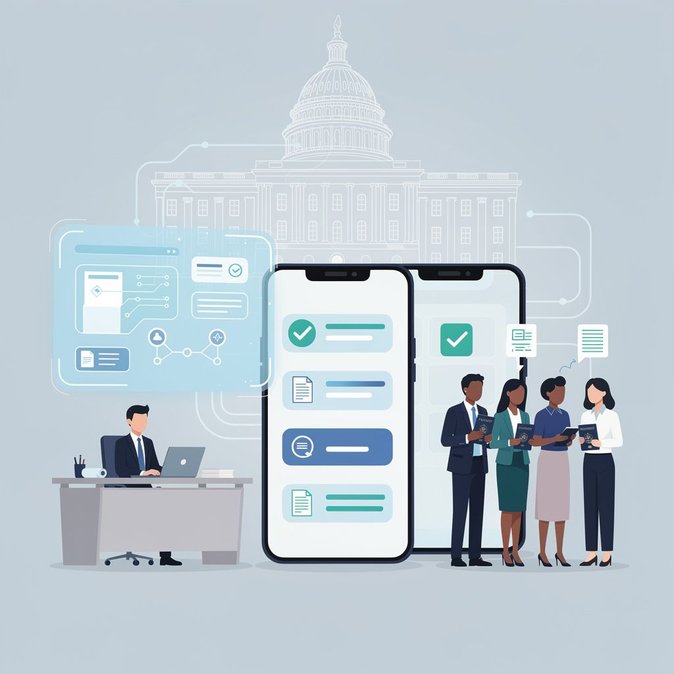
According to Mullin, the initiative will use machine-learning models to flag incomplete applications in real time, automate identity verification, and route straightforward cases for instant adjudication, freeing officers to focus on complex files. DHS is partnering with the Department of Commerce’s U.S. Digital Service to develop a smartphone application that will allow applicants and sponsoring employers to upload documents securely, receive push-notification case updates, and schedule biometrics appointments. The announcement follows months of scrutiny over USCIS processing times, which have stretched to more than a year for some employment-based petitions. Industry groups welcomed the move but cautioned that any algorithmic system must be transparent and free from bias. Mullin insisted that human officers would make all final decisions and that the AI would be "explainable" to satisfy legal due-process standards. For global mobility managers, the shift could translate into faster turnaround on H-1B cap-exempt petitions, L-1 blanket renewals, and seasonal H-2A visas—areas Mullin said would be prioritized after the DACA pilot. Companies will need to adjust internal timelines and budgeting models, as premium-processing fees may become less necessary for routine cases. Still, practitioners urge caution: parallel DHS initiatives are re-vetting past approvals under enhanced FBI security checks, and increased automation may produce more requests for evidence (RFEs) until models stabilize. Employers should ensure that electronic records are complete and that staff understand new digital submission protocols once they roll out.
For applicants and employers preparing for these changes, VisaHQ can streamline the entire visa and immigration documentation process—everything from securing digital copies of passports to tracking application milestones—through its easy-to-use portal. Visit https://www.visahq.com/united-states/ to see how the service can reduce paperwork headaches and keep you informed as DHS transitions to AI-driven adjudication.
According to Mullin, the initiative will use machine-learning models to flag incomplete applications in real time, automate identity verification, and route straightforward cases for instant adjudication, freeing officers to focus on complex files. DHS is partnering with the Department of Commerce’s U.S. Digital Service to develop a smartphone application that will allow applicants and sponsoring employers to upload documents securely, receive push-notification case updates, and schedule biometrics appointments. The announcement follows months of scrutiny over USCIS processing times, which have stretched to more than a year for some employment-based petitions. Industry groups welcomed the move but cautioned that any algorithmic system must be transparent and free from bias. Mullin insisted that human officers would make all final decisions and that the AI would be "explainable" to satisfy legal due-process standards. For global mobility managers, the shift could translate into faster turnaround on H-1B cap-exempt petitions, L-1 blanket renewals, and seasonal H-2A visas—areas Mullin said would be prioritized after the DACA pilot. Companies will need to adjust internal timelines and budgeting models, as premium-processing fees may become less necessary for routine cases. Still, practitioners urge caution: parallel DHS initiatives are re-vetting past approvals under enhanced FBI security checks, and increased automation may produce more requests for evidence (RFEs) until models stabilize. Employers should ensure that electronic records are complete and that staff understand new digital submission protocols once they roll out.