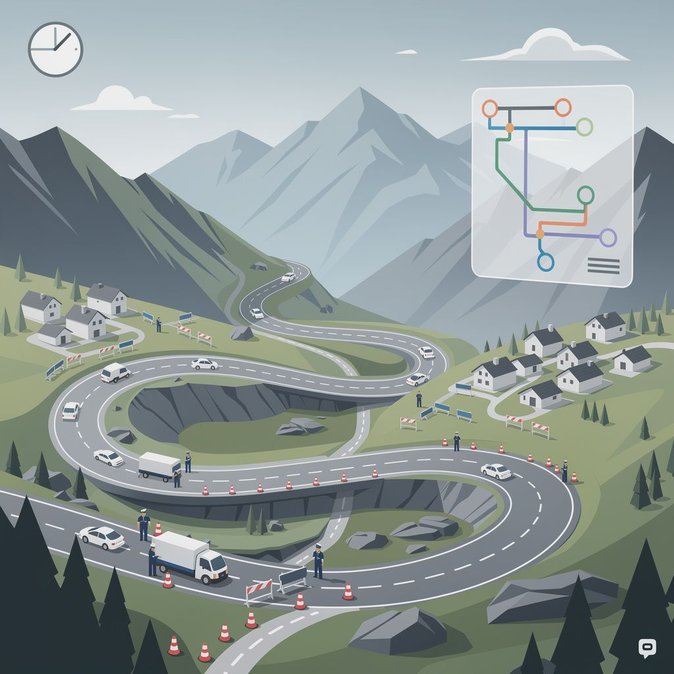
Only minutes after noon on 27 June, Tyrol’s traffic control centre gave the all-clear: the Fernpass (B179) and the Hahntennjoch mountain road (L246) were again open to through-traffic. In a detailed statement, the provincial government praised the police, road-safety marshals and emergency planners for executing an incident-free shutdown of two strategic arteries during the morning protest. Dosier traffic lights at Vils, Reutte-Süd and Ehrwald-Schanz kept potential tailbacks in check, while supply vehicles and emergency services retained priority passage throughout. Officials stressed, however, that the regular summer weekend driving bans on low-order back roads in the districts of Reutte and Imst remained in force until 19:00. Cars attempting to dodge the Fernpass or Brenner tolls via village lanes therefore faced on-the-spot fines and forced turn-arounds—measures welcomed by residents long frustrated by “rat-run” tourism traffic. The province’s post-event assessment is significant for mobility managers: it suggests Tyrol can now orchestrate temporary closures of major corridors without triggering the multi-hour gridlock that crippled the region in past years. For logistics planners, the key takeaway is that alternative routes will be proactively throttled to protect local communities, forcing long-haul drivers to stick to primary motorways even when they appear congested. Bernhard Knapp, head of the Department of Road and Cableway Law, warned that similar controls will be rolled out on future protest days or extreme-traffic weekends. Recurrent closures could coincide with Germany’s staggered summer-holiday departures and the UEFA Euro 2028 qualifying rounds, both expected to swell pan-Alpine traffic. Firms with time-critical deliveries to South-Tyrol, Lombardy or northern Austrian resorts should therefore budget additional lead-time or consider night-time slots. The orderly outcome also strengthens the province’s argument that its controversial €500 million “Fernpass-Paket” is about safety, not capacity. Critics remain unconvinced, but Saturday’s smooth re-opening hands the government a public-relations win and a blueprint for managing future mobility flashpoints.
How VisaHQ can help
VisaHQ simplifies the visa application process for individuals and businesses. Check current travel requirements, prepare the required documents and manage your application online through the VisaHQ Austria portal.More From Austria
View all
Orange Thunderstorm Alert Issued for Western Tyrol: Officials Warn of Potential Rail, Road and Flight Disruptions
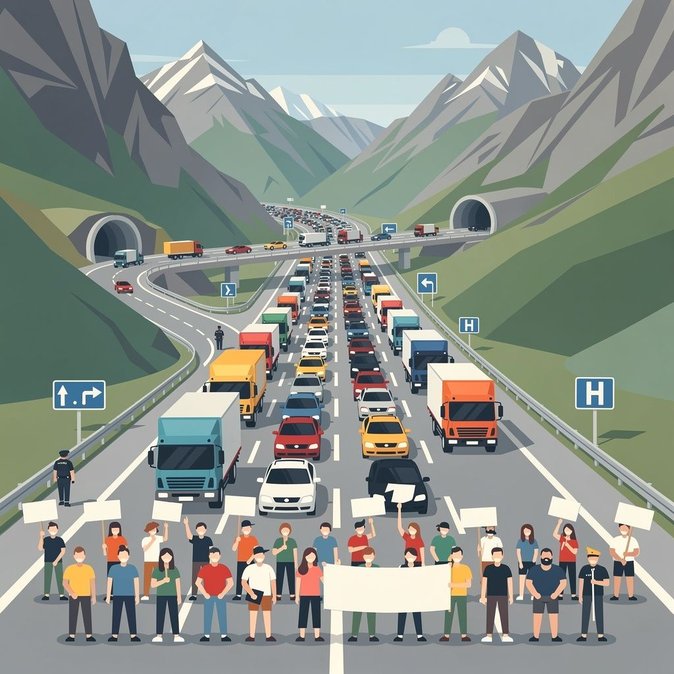
Protest Blocks Tyrol’s Fernpass Route; Hundreds of Vehicles Halted as Citizens Demand Rethink of €500 Million Expansion Plan