Supreme Court’s immigration rulings ignite warnings of looming U.S. talent crunch
What the Supreme Court’s latest immigration rulings mean for companies, communities and would-be migrants
Trump quietly opens H-2A visa program to year-round dairy farms, splitting GOP coalition
Latest News
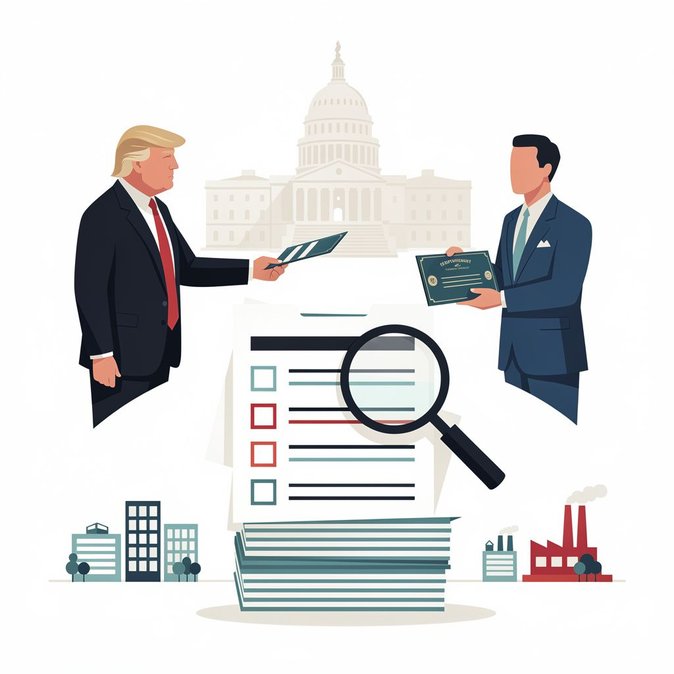
Trump nominates Lance Schroyer as first Senate-confirmed ICE chief in a decade
President Trump’s June 27 pick of Lance Schroyer to head ICE ends years of acting leadership and could speed up aggressive interior-enforcement measures. Employers are advised to tighten I-9 compliance and expect a more assertive agency if the Senate confirms him.

Supreme Court’s Blanche v. Lau ruling rewrites re-entry playbook for green-card holders
In Blanche v. Lau, the Supreme Court ruled that border officers may place returning green-card holders on parole based on mere suspicion of inadmissibility, disrupting their employment authorization until removal proceedings conclude. Employers should screen LPR travelers for legal exposure and be ready to manage sudden work-status interruptions.

High Court OKs termination of TPS for Haiti and Syria, reshaping U.S. humanitarian landscape
The Supreme Court ruled that the administration may end TPS for Haiti and Syria, affecting more than 356,000 people and exposing employers to sudden labor gaps. Companies must review I-9 compliance and consider alternative sponsorship strategies, while communities with high TPS populations brace for economic disruption.
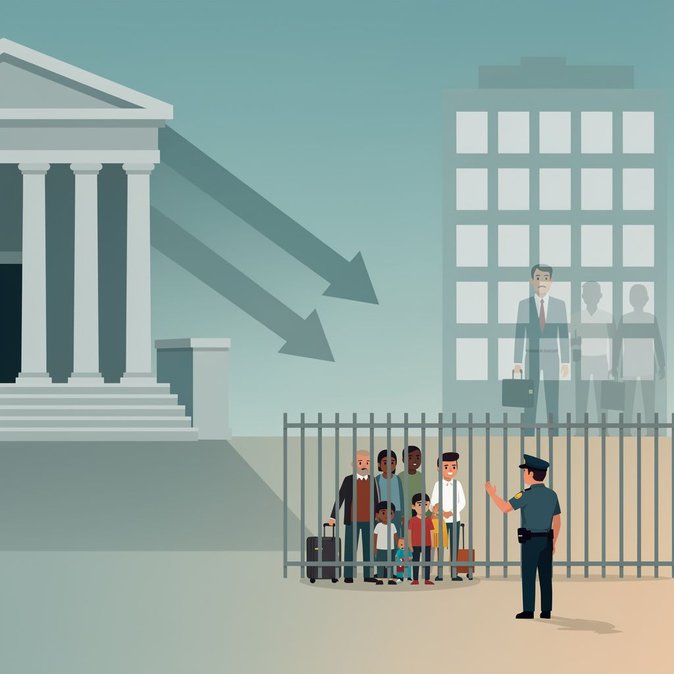
Supreme Court Upholds Trump Border Policies and Clears Path to Revoke TPS for Haitians and Syrians
In two 6-3 decisions, the U.S. Supreme Court allowed the Trump administration to resume "metering" asylum seekers at the southern border and to terminate Temporary Protected Status for Haitians and Syrians. The rulings give CBP broad discretion to turn away applicants deemed to be outside U.S. territory and open the door to deportation of long-time TPS holders. Employers must prepare for possible workforce losses and longer border processing times, while advocates predict humanitarian fallout.
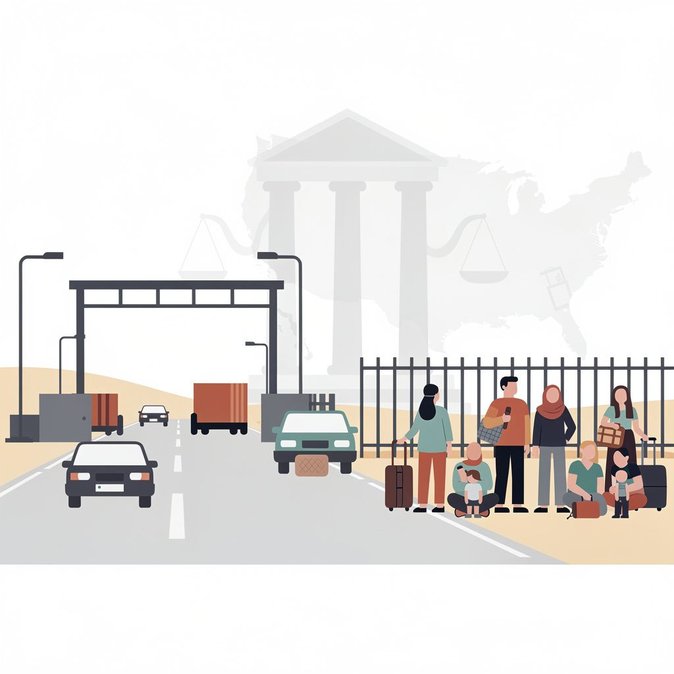
Supreme Court reinstates “turn-back” policy for asylum seekers at U.S.–Mexico border
A new 6-3 Supreme Court ruling resurrects the Trump administration’s “metering” policy, letting CBP block asylum seekers from stepping onto U.S. soil when ports are overcrowded. The decision may slow cross-border commerce, intensify humanitarian pressures in Mexican border towns and force employers with cross-border operations to adjust travel logistics.

DHS to deploy AI platform within 30 days to cut U.S. visa backlogs
Homeland Security Secretary Markwayne Mullin said DHS will launch its first AI-enabled visa-processing platform within a month, promising faster approvals and fewer filing errors while adding stricter automated security checks. Faster adjudication could benefit employers and applicants, but companies should prepare for new digital-footprint screening and potential start-up glitches.
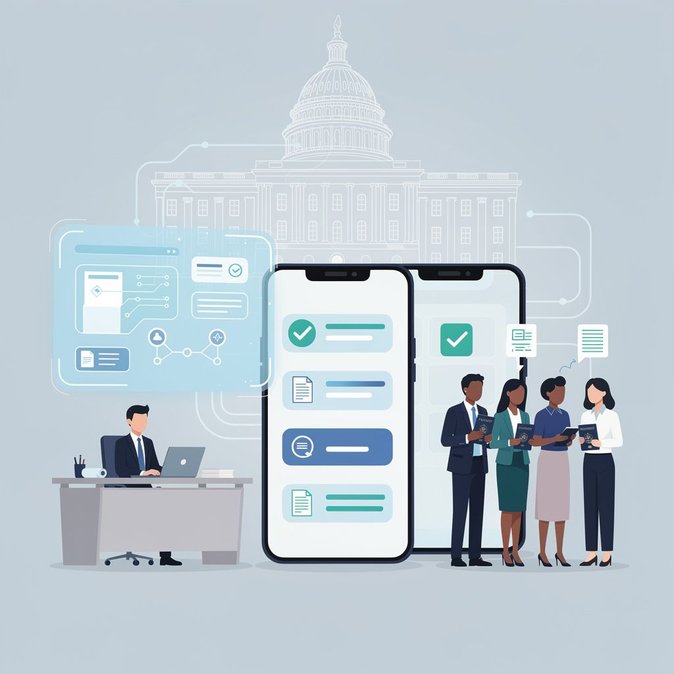
DHS to deploy artificial-intelligence platform to cut visa backlogs
DHS will launch an AI-driven case-management system next month, aiming to eliminate form errors, shrink visa backlogs and provide mobile self-service to applicants. If successful, the overhaul could cut employment-based visa adjudications to under three months and ease chronic labor shortages for U.S. businesses.

Homeland Security Unveils AI-Powered Overhaul to Slash Visa Backlogs Within 30 Days
Homeland Security Secretary Markwayne Mullin told lawmakers that DHS will deploy its first AI-driven visa-processing platform within 30 days, starting with DACA renewals and expanding to other visa categories. The system will auto-validate applications, cut paperwork, and feed a new mobile app aimed at both applicants and employers. Faster adjudications could ease backlogs and reduce premium-processing costs, but companies should prepare for new digital workflows and ongoing security re-checks.

Massachusetts man admits role in staged-robbery U-visa fraud ring
An Indian national pleaded guilty in Boston federal court to staging armed robberies so migrants could fraudulently obtain U visas. The scheme spotlights vulnerabilities in humanitarian visa programs and signals stricter vetting ahead, with potential onboarding delays for U.S. employers.