High court permits termination of Temporary Protected Status for Haitians and Syrians
U.S. Supreme Court green-lights revival of border “metering,” allowing agents to turn back asylum seekers
Supreme Court Allows Revival of Border “Metering” Policy Limiting Asylum Intake
Latest News

Supreme Court Says Asylum Can’t Be Requested Until Migrants Physically Enter the U.S.
The Supreme Court reinstated the border “metering” policy, holding that asylum seekers must physically cross into U.S. territory before applying. The decision lets CBP again cap daily asylum intakes, likely keeping more migrants waiting in Mexico and reshaping cross-border mobility planning.

High Court Allows End of Temporary Protected Status for Haitians and Syrians
The Supreme Court ruled that DHS can terminate TPS for Haiti and Syria without court review, endangering work authorization for hundreds of thousands of beneficiaries and forcing employers to scramble for alternative immigration solutions.

High Court Green-Lights End of TPS for Haitians and Syrians, Putting 300,000 Jobs at Risk
The Supreme Court ruled that courts cannot review DHS decisions to cancel Temporary Protected Status, allowing the administration to strip protection and work authorization from more than 300,000 Haitians and Syrians. Employers that rely on TPS talent must prepare for expiring work documents, labor shortages, and heightened compliance duties unless Congress enacts relief.
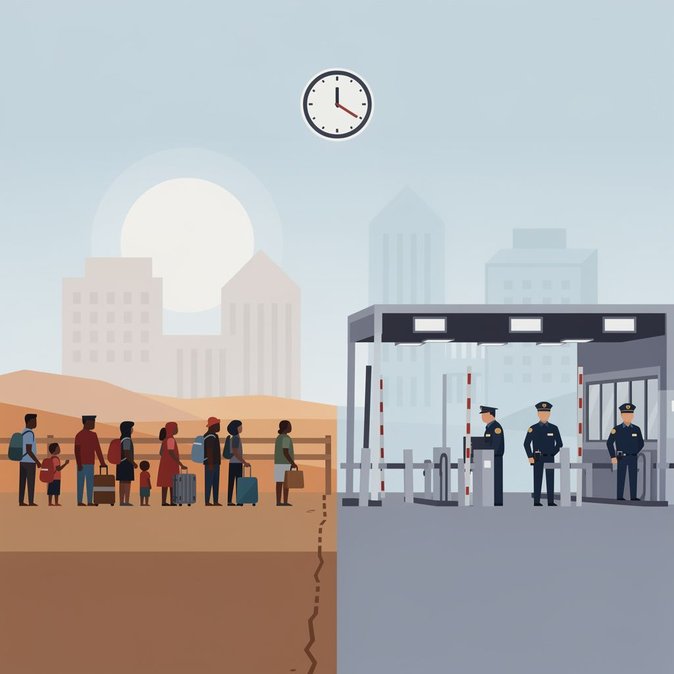
Supreme Court Green-Lights Border “Turnback” Policy, Allowing Agents to Block Asylum Seekers Before They Step on U.S. Soil
By a 6-3 vote, the Supreme Court ruled that federal law lets CBP stop would-be asylum seekers on the Mexican side of a port of entry—reviving the controversial “metering” policy first used in 2016. The decision gives the Trump administration discretion to set daily caps on asylum processing, potentially lengthening border wait times and exposing migrants to danger in Mexico. Businesses that rely on cross-border travel should prepare for operational slowdowns and legal uncertainty.

TSA Partners with Google Wallet to Offer One-Click Enrollment in PreCheck Touchless ID
Google Wallet users can now activate TSA PreCheck Touchless ID with a single tap when they import a boarding pass, expanding the biometric fast-track program to more airlines and making U.S. airport security even quicker for business travelers.

State Department Updates El Salvador Advisory to Level 1 but Keeps Night-Travel Ban for U.S. Staff
The State Department kept El Salvador at its lowest risk rating (Level 1) but updated guidance for U.S. personnel, who must still avoid most night road travel and public buses. The revision reflects improved security yet highlights residual infrastructure and legal-process risks that corporate travelers and assignees should manage through policy tweaks and traveler briefings.

Federal Judge Halts ICE Courthouse Arrests Nationwide
A California judge has blocked ICE from making civil immigration arrests at immigration courthouses nationwide, ruling the Trump administration’s 2025 policy unlawful. The decision removes a major enforcement tool and is expected to reduce surprise detentions that disrupt legal proceedings, affecting employers with foreign national workforces.

TSA and Google Wallet Roll Out Touchless ID Enrollment for PreCheck Travelers
Google Wallet users with TSA PreCheck can now opt into Touchless ID directly in the app, allowing face-match ID verification at 65 U.S. airports. The integration promises quicker security throughput and could reshape corporate travel workflows.
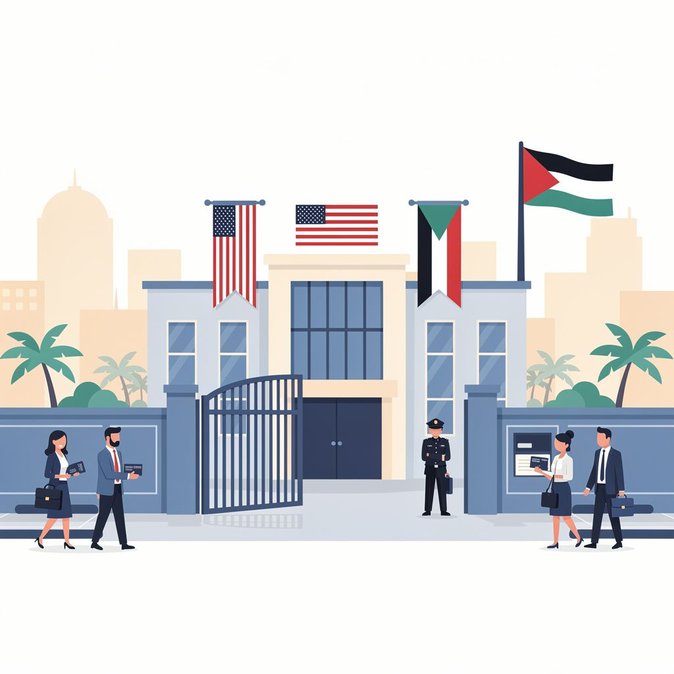
U.S. Embassy in Kuwait Reopens, Consular Services to Phase Back In
After a nearly four-month security closure, the U.S. Embassy in Kuwait resumed operations on June 24. Emergency services are live, with routine visa processing to follow in phases—welcome news for companies with Gulf talent rotations.

Court Stops DHS Expansion of SAVE Immigration-Status Database
A judge froze DHS plans to broaden the SAVE database for citizenship checks, citing privacy and statutory concerns. The pause prevents potential misclassification of foreign workers and reduces immediate compliance headaches for employers.