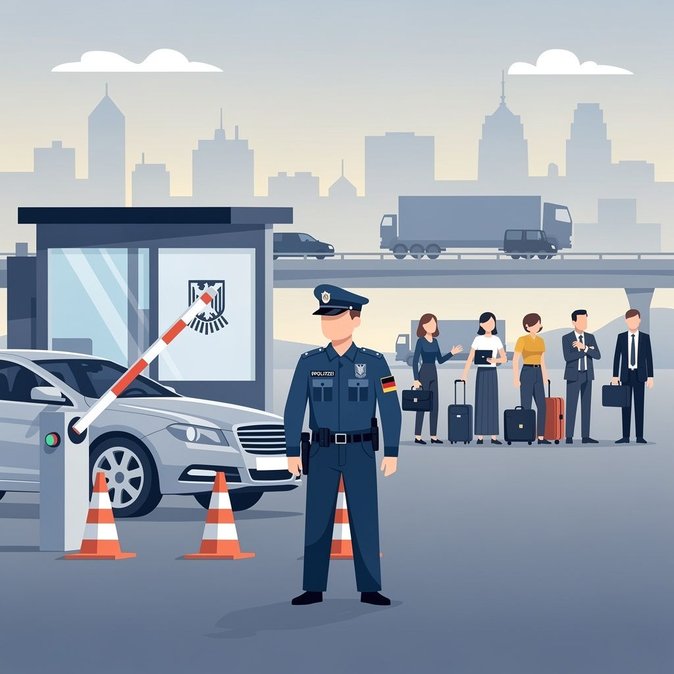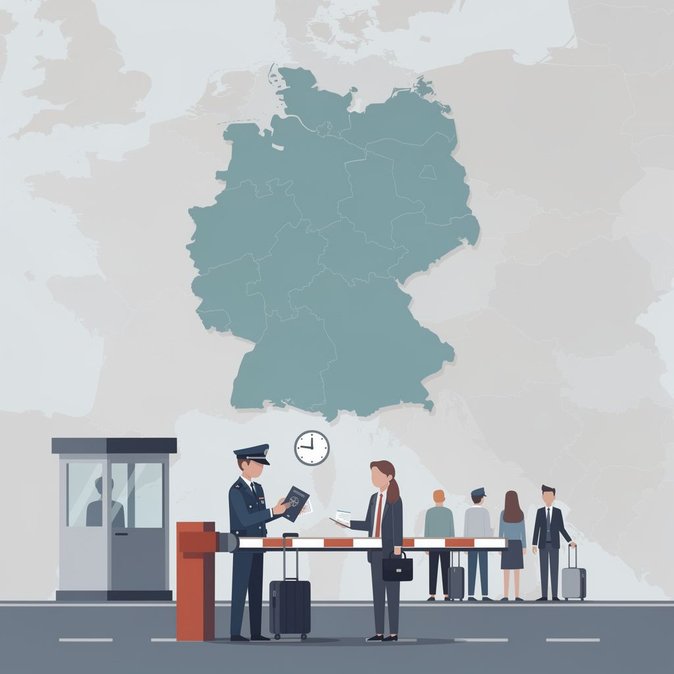
Australia’s Department of Foreign Affairs and Trade quietly refreshed its Smartraveller advisory for Germany on 28 June, retaining the overall ‘Exercise normal safety precautions’ rating but drawing attention to ongoing German land-border checks. The notice reminds travellers that ‘temporary border controls at all German land borders remain in force until 15 September 2026’, warning of possible delays when entering from neighbouring EU states. Germany introduced the controls in October 2023 to counter irregular migration and cross-border crime, renewing them every six months under Schengen rules that allow prolonged checks in exceptional circumstances.
For travellers who want a quick, up-to-date overview of Germany’s evolving entry rules, VisaHQ can help. Its dedicated Germany page (https://www.visahq.com/germany/) consolidates visa requirements, border advisories and document checklists in one place, and its support team can expedite paperwork for business and leisure trips alike—especially useful if renewed controls trigger last-minute changes.
Although the EU’s new Common European Asylum System entered into application this month, Berlin has opted to keep the checks during the summer travel peak, citing smuggling concerns. For Australian and other non-EU passport holders, the practical impact is twofold. First, travellers may face dual inspection: Schengen-internal identity checks at the land border and separate registration under the new EU Entry/Exit System (EES). Second, coach and rail services can be subject to spot checks, adding up to 60 minutes to journeys. Business travellers connecting through Amsterdam, Brussels or Zurich before continuing overland to Germany should factor in additional transit time. Corporate mobility teams should also note that German authorities can deny entry if supporting documents (hotel confirmations, meeting invitations, proof of onward travel) are not immediately available. The advisory therefore recommends carrying printed evidence, not solely digital copies. While the Australian update targets its nationals, the notice signals that third-country governments now view Germany’s extended checks as a semi-permanent feature. Multinationals with regional assignment programmes may need to revise arrival briefings and ensure expatriates using staff shuttles from neighbouring countries have passports on hand, even for routine commutes.
For travellers who want a quick, up-to-date overview of Germany’s evolving entry rules, VisaHQ can help. Its dedicated Germany page (https://www.visahq.com/germany/) consolidates visa requirements, border advisories and document checklists in one place, and its support team can expedite paperwork for business and leisure trips alike—especially useful if renewed controls trigger last-minute changes.
Although the EU’s new Common European Asylum System entered into application this month, Berlin has opted to keep the checks during the summer travel peak, citing smuggling concerns. For Australian and other non-EU passport holders, the practical impact is twofold. First, travellers may face dual inspection: Schengen-internal identity checks at the land border and separate registration under the new EU Entry/Exit System (EES). Second, coach and rail services can be subject to spot checks, adding up to 60 minutes to journeys. Business travellers connecting through Amsterdam, Brussels or Zurich before continuing overland to Germany should factor in additional transit time. Corporate mobility teams should also note that German authorities can deny entry if supporting documents (hotel confirmations, meeting invitations, proof of onward travel) are not immediately available. The advisory therefore recommends carrying printed evidence, not solely digital copies. While the Australian update targets its nationals, the notice signals that third-country governments now view Germany’s extended checks as a semi-permanent feature. Multinationals with regional assignment programmes may need to revise arrival briefings and ensure expatriates using staff shuttles from neighbouring countries have passports on hand, even for routine commutes.