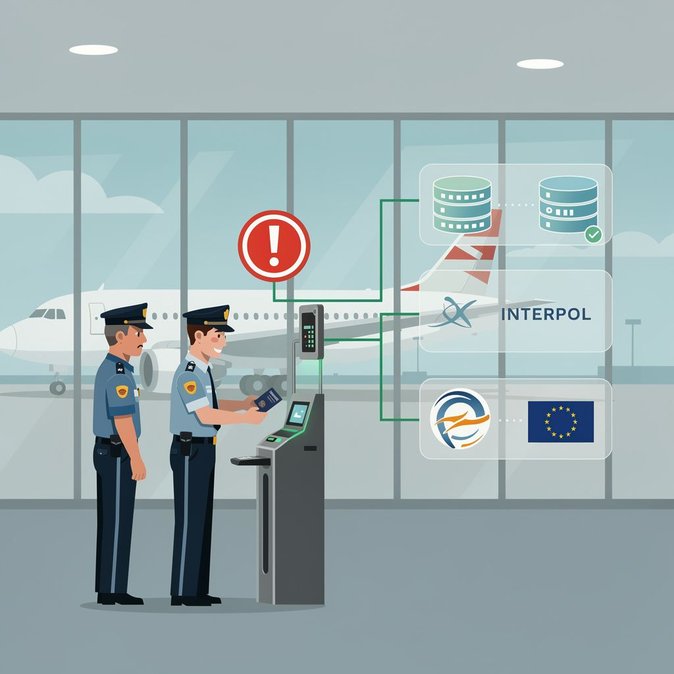
Police at Larnaca International Airport arrested a 30-year-old man on Monday, 29 June, after passport control systems flagged an active international arrest warrant issued by British authorities. The suspect had just landed on a non-EU flight when immigration officers ran his travel document through the Schengen Information System and Interpol databases, revealing he was wanted in connection with a 2023 homicide and firearms offences in the United Kingdom. Officials moved quickly to isolate the traveller in a secondary screening room and confirm the warrant through Europol channels before taking him into custody. Under Cyprus’ Extradition Law and the bilateral treaty with the UK, the Larnaca district court must now rule on the warrant’s validity and decide whether to authorise transfer within 60 days, although courts typically fast-track serious cases involving violent crime. For airport operators and global mobility managers, the incident underscores the growing sophistication of Cyprus’ border-control technology. All entry lanes at Larnaca and Paphos are now connected to a common API/PNR platform, meaning any traveller who triggers an alert can be intercepted before formally entering the country. Companies moving staff through Cyprus should therefore double-check that employees’ personal data (names, birth dates, passport numbers) are free of red flags that might stem from identity theft or administrative errors. While Monday’s arrest did not disrupt flight operations, it highlights the reputational risks that carriers and logistics firms face when passengers linked to criminal investigations board their services. Airlines are reminded that Cyprus, like most EU states, can issue carriage-refusal penalties if carriers transport individuals subject to active extradition requests. Human-resources teams planning business trips through Larnaca should stay in close contact with travel-risk vendors to ensure real-time watch-list screening.
Source: Cyprus Mail