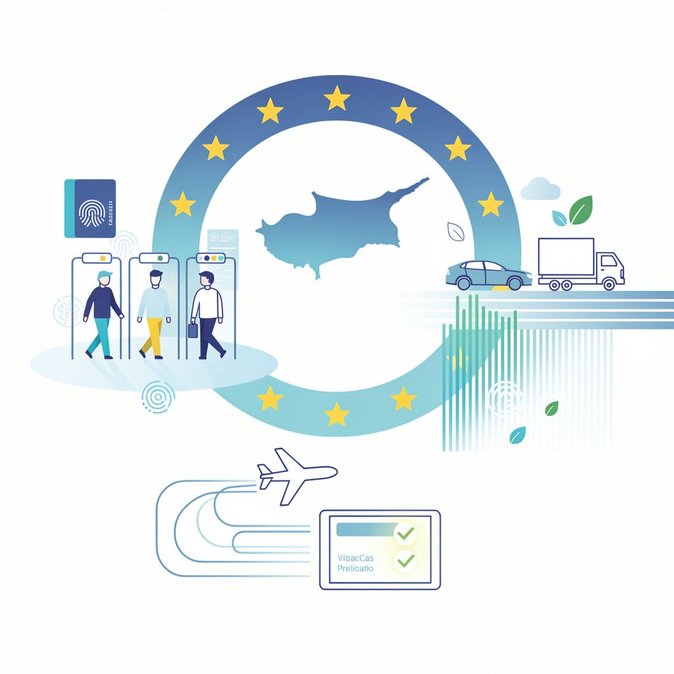
Just two weeks after the EU Pact on Migration and Asylum formally entered into force, frontline member-state Cyprus is already feeling the strain. In an interview published on 27 June 2026 by EUobserver, Cypriot officials said that the promised ‘solidarity mechanisms’ have yet to translate into extra reception capacity, funding or rapid relocation of arrivals. According to Interior Ministry data, applications lodged at the Pournara first-reception centre outside Nicosia rose 18 percent in the fortnight after the pact became law, but staffing levels and accommodation space remain unchanged. The pact obliges all member states to run fast-track border procedures that can last up to 12 weeks, coupled with a biometric screening system for all irregular entrants aged six and above. Cyprus’ Deputy Minister for Migration and International Protection, Nicholas Ioannides, told local media that the island must now process “every single arrival” through the new Eurodac 2.0 database—even if the applicant intends to move onward—adding an average of 45 minutes to each registration. Airlines and shipping operators serving Larnaca and Limassol ports have already asked for clarification on whether crew members who do not disembark will also fall under the new rules. Non-governmental organisations have criticised the tight timelines. KISA, a Nicosia-based migrant-rights group, says that asylum-seekers transiting the Green Line from the north risk being detained during screening because many cannot prove the exact point of entry demanded by the new regulations. The government counters that the pact gives it “the first real legal tool” to curb secondary movements through the buffer zone and to accelerate returns of rejected applicants. For global mobility managers, the most immediate implication is paperwork: third-country nationals posted to Cyprus on short-term assignments will be fingerprinted and photographed on their first crossing of the EU’s external border—even if they hold a Schengen or Cypriot visa. Companies relocating staff should budget extra time at Larnaca and Paphos airports and be ready to present work contracts showing that the stay is temporary. Digital-nomad permit holders are exempt from the accelerated asylum procedure but will still appear in the Eurodac database when they enter. Looking ahead, Nicosia hopes that solidarity transfers—other EU members agreeing to take in a quota of asylum-seekers or pay into a common fund—will materialise before the peak August arrival season. If not, the Interior Ministry has signalled it may invoke the pact’s ‘force-majeure’ clause, allowing it to extend detention beyond the 12-week cap until additional capacity is found.
Source: EUobserver