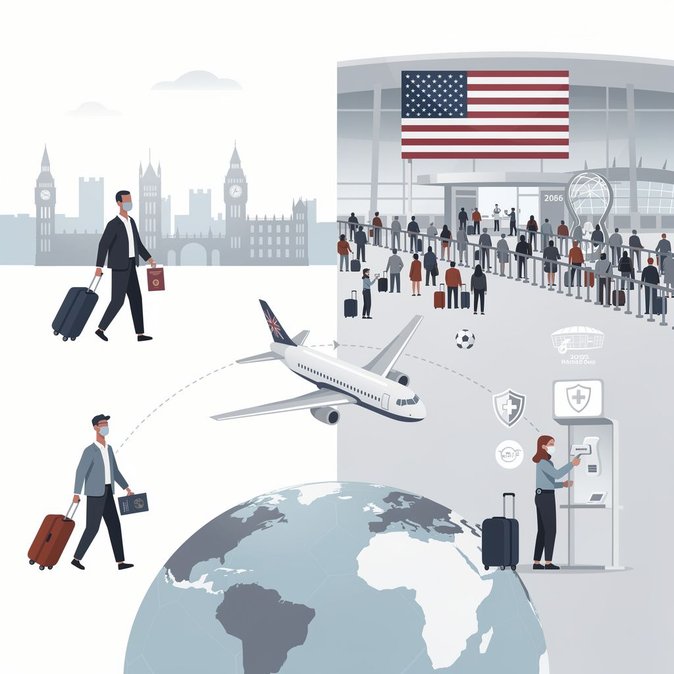
The UK Foreign, Commonwealth & Development Office (FCDO) refreshed its travel advice for the United States on 29 June, adding a new note under “Entry requirements” that travelers arriving from Ebola-affected regions may face additional health screening. While the requirement originates with U.S. health authorities, the FCDO notice is a reminder that airlines can deny boarding to passengers lacking onward documentation of their health status. The bulletin also reiterates guidance for the ongoing 2026 FIFA World Cup, which the United States is co-hosting until 19 July. With stadiums in 11 U.S. cities operating at full capacity, the advisory urges early arrival at venues and warns of potential congestion at major hub airports, including Dallas/Fort Worth and New York JFK, on match-days. Businesses moving staff to or within the United States this summer should double-check that travelers’ recent country itineraries are disclosed to travel medical providers and that contingency time is built into arrival schedules. Those coordinating group moves for tournament-related projects may encounter tight hotel inventory and should secure accommodations well in advance. Although the health-screening measure currently targets only arrivals from designated Ebola zones, mobility teams should remember that the Centers for Disease Control and Prevention can rapidly expand the list if outbreaks spread. Real-time monitoring of airline timetables and entry guidance remains critical through the World Cup period.
Source: UK Foreign Office Travel Advice