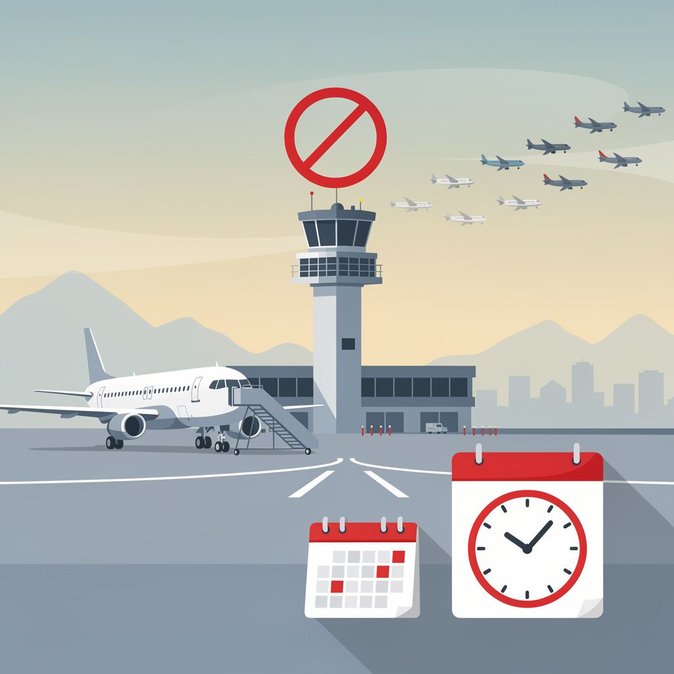
Strike-Tracker and Italy’s official MIT register both reconfirmed on 1 July that air-traffic-control personnel represented by RSA FAST-CONFSAL-AV will stage a 24-hour strike at Milan-Malpensa (MXP) on Sunday 5 July. The scope is narrower than earlier drafts—an associated walk-out at the Milan Area Control Centre has been withdrawn—yet the localised action could still ground or delay hundreds of flights at Italy’s second-busiest airport. The strike will run from 00:01 to 24:00 local time, with legally protected “fasce di garanzia” from 07:00-10:00 and 18:00-21:00 during which critical domestic and international connections must be accommodated. Airlines have started issuing waivers: ITA Airways offers free date changes for 4-6 July tickets involving MXP, while Lufthansa Group is advising passengers to rebook via Zurich or Munich.
If last-minute itinerary changes mean new transit points or unexpected stopovers, travelers can quickly check whether additional visas or passport validity requirements apply by using VisaHQ’s streamlined tool for Italy and beyond (https://www.visahq.com/italy/). The platform provides real-time entry guidance and can expedite urgent visa processing—useful insurance when operational disruptions force rerouting through countries like Switzerland, France, or Germany on short notice.
Corporate travel managers should note that the action coincides with the first weekend after school closures in several European countries, pushing load factors above normal Sunday averages. Travel-risk consultancies recommend avoiding tight connections through Malpensa on 5 July and booking fully flexible fares where possible. Malpensa’s operator SEA says extra staff will man information desks but warns that security queues may lengthen as passengers shift to early-morning guaranteed flights. Rail operator Trenord is preparing to increase capacity on the Malpensa Express to facilitate re-routing to Linate and Bergamo airports. Looking ahead, unions hint that further ATC actions could follow if talks on summer rostering and rest-time rules stall. The disruptive potential is heightened by Italy’s central role as an overflight corridor: any spill-over to the Milan ACC would force reroutes across Southern France and Switzerland, adding cost and emissions for carriers.
If last-minute itinerary changes mean new transit points or unexpected stopovers, travelers can quickly check whether additional visas or passport validity requirements apply by using VisaHQ’s streamlined tool for Italy and beyond (https://www.visahq.com/italy/). The platform provides real-time entry guidance and can expedite urgent visa processing—useful insurance when operational disruptions force rerouting through countries like Switzerland, France, or Germany on short notice.
Corporate travel managers should note that the action coincides with the first weekend after school closures in several European countries, pushing load factors above normal Sunday averages. Travel-risk consultancies recommend avoiding tight connections through Malpensa on 5 July and booking fully flexible fares where possible. Malpensa’s operator SEA says extra staff will man information desks but warns that security queues may lengthen as passengers shift to early-morning guaranteed flights. Rail operator Trenord is preparing to increase capacity on the Malpensa Express to facilitate re-routing to Linate and Bergamo airports. Looking ahead, unions hint that further ATC actions could follow if talks on summer rostering and rest-time rules stall. The disruptive potential is heightened by Italy’s central role as an overflight corridor: any spill-over to the Milan ACC would force reroutes across Southern France and Switzerland, adding cost and emissions for carriers.