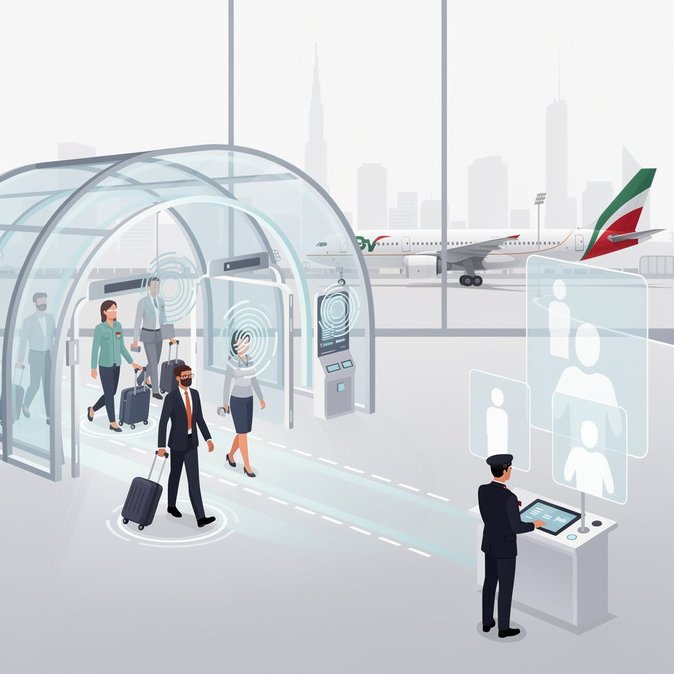
Dubai World Trade Centre will host the 25th edition of Airport Show from 12–14 October 2026, but organisers used a press briefing on 2 July to underline what mobility managers can expect: a wholesale shift from manual checks to end-to-end biometric identity management. More than 150 exhibitors and 120 hosted buyers are confirmed, reflecting aggressive airport-modernisation budgets across the Middle East, Africa and South Asia. Emirates, Etihad and flydubai will demo facial-recognition boarding corridors already live at Dubai International and Zayed International airports. Dubai’s new AI-powered “Red Carpet Tunnel” that can clear 10 passengers simultaneously will be on show, alongside smartphone apps that let enrolled travellers complete immigration formalities before departure. The International Air Transport Association estimates biometrics can cut processing times by 40 %, a figure that resonates with DXB, which handled 86 million passengers last year. For global employers, wider biometric adoption means fewer immigration bottlenecks during project mobilisation peaks—particularly relevant with the FIFA World Cup drawing record traffic to Gulf airports this summer. It also shifts compliance obligations: companies must ensure staff are comfortable with data-sharing requirements and have completed optional pre-enrolment before travel. RX Middle East, the show organiser, cited forecasts valuing the airport-biometrics market at US $276 billion by 2032. The UAE’s civil-aviation regulator is expected to publish updated biometric-privacy guidelines ahead of the event—a development relocation teams should track because consent procedures for minors and dependants may change. Beyond passenger flow, exhibitors will spotlight cargo-terminal biometrics and ‘pass-to-park’ facial access for staff compounds—a reminder that seamless identity management is extending to air-freight and air-side communities where many expatriate workers live and work.
Source: WAM via Big News Network