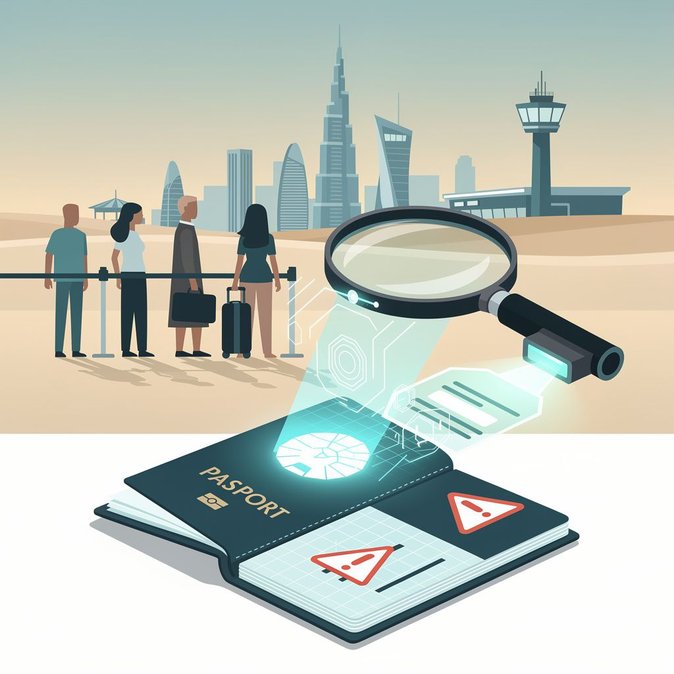
Dubai’s General Directorate for Residency and Foreigners Affairs (GDRFA) has pulled back the curtain on an 18-month push to tighten document security at the world’s busiest international airport hub. Between January 2025 and June 2026, specialists at the authority’s Document Examination Centre inspected 20,307 passports, entry permits and printed or electronic visas. They uncovered 902 cases of forgery or data manipulation—213 of them in the first half of this year alone. Officials credit the results to a forensics lab that last year became the region’s first to earn ISO/IEC 17025:2017 accreditation. The lab has built a repository of security features from more than 80 national passports and feeds real-time updates to frontline immigration officers. Partnerships with Germany’s Federal Police in Frankfurt and the EU’s Edison TD database mean templates and best-practice training reach Dubai within days, not months. For multinational employers, the crackdown reduces the risk that assignees or project staff are denied boarding or entry because agents can now spot sophisticated alterations in minutes. It also signals that companies arranging last-minute visa changes at the airport—once a tolerated grey area—face higher scrutiny and potential prosecution. GDRFA director-general Lt-Gen Mohammed Al Marri said the technology investments are “fundamental pillars” of Dubai’s plan to remain a trusted global hub amid rising identity-fraud threats. With 122 specialist training hours delivered this year, the centre is positioning itself as a GCC reference point—useful for employers moving staff across multiple Gulf states who want a uniform standard for document checks. Practically, travellers should expect more random secondary inspections, but faster overall processing thanks to AI triage tools that clear genuine documents automatically. The message for mobility managers is clear: ensure passports and e-visas are pristine, and brief travellers that even minor laminate damage could lead to questioning as the new systems learn “false-positive” thresholds.
Source: Gulf Today