
From 1 July 2026 anyone applying for a Belgian long-stay visa (visa D) must pay a handling fee of €250 – a 14 % increase over last year – according to consular notices circulated this week by Belgian embassies, including Amman, Warsaw and Athens. The update, posted on 1 July and highlighted again on 2 July for peak-season applicants, also raises the return-visa fee to €335 from 1 September. The Foreign Affairs Ministry says the new tariff reflects rising processing costs and the rollout of additional security checks linked to the EU Entry/Exit System and Belgium’s own “My Address in Belgium” online arrival declaration.
For individuals and corporate mobility teams navigating these changes, VisaHQ’s online platform (https://www.visahq.com/belgium/) offers up-to-date guidance on Belgian visa requirements, fee calculators and end-to-end application support, helping applicants avoid costly rejections and stay compliant with the latest consular rules.
Fee waivers for diplomatic passports and family members of EU citizens remain unchanged, but standard work-permit, study and family-reunification applicants must budget for the higher charge. For global mobility teams the timing is awkward: applications for autumn academic programmes and Q4 corporate transfers traditionally surge in early July. Universities and multinational HR departments are rushing fee-top-up instructions to admitted students and assignees whose files are already lodged. TLS Contact, Belgium’s outsourced visa partner in many jurisdictions, has confirmed that files submitted before 1 July will be processed at the old rate even if biometric appointments fall later. The increase also interacts with Belgium’s additional federal contribution (currently €366–€3660 depending on category) that certain visa-D applicants must pay to the Immigration Office. Employers should therefore revisit cost-estimates in assignment letters and consider advancing applications for dependants before the second fee hike on 1 September. Failure to attach proof of the correct payment renders an application inadmissible under Belgian law. As other Schengen states – notably Germany and Spain – eye similar fee adjustments for 2027, Belgium’s move may signal a broader upward trend in visa costs across Europe.
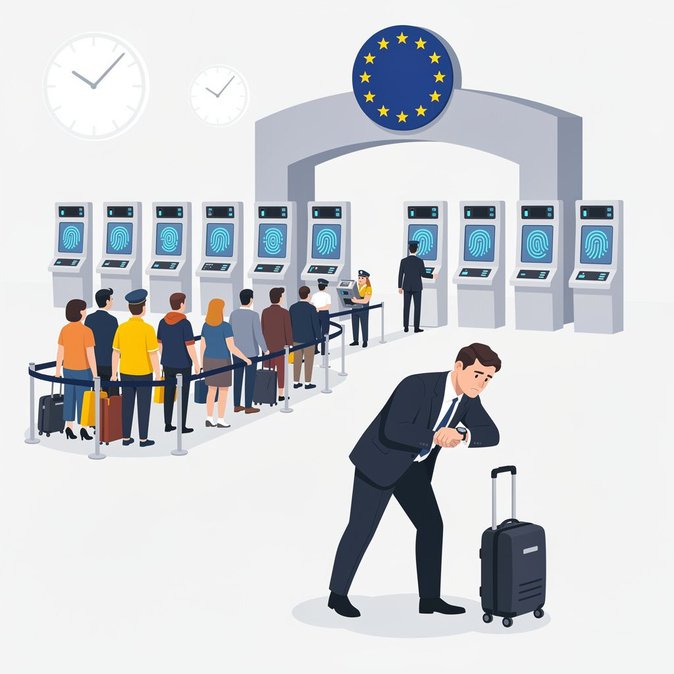
For individuals and corporate mobility teams navigating these changes, VisaHQ’s online platform (https://www.visahq.com/belgium/) offers up-to-date guidance on Belgian visa requirements, fee calculators and end-to-end application support, helping applicants avoid costly rejections and stay compliant with the latest consular rules.
Fee waivers for diplomatic passports and family members of EU citizens remain unchanged, but standard work-permit, study and family-reunification applicants must budget for the higher charge. For global mobility teams the timing is awkward: applications for autumn academic programmes and Q4 corporate transfers traditionally surge in early July. Universities and multinational HR departments are rushing fee-top-up instructions to admitted students and assignees whose files are already lodged. TLS Contact, Belgium’s outsourced visa partner in many jurisdictions, has confirmed that files submitted before 1 July will be processed at the old rate even if biometric appointments fall later. The increase also interacts with Belgium’s additional federal contribution (currently €366–€3660 depending on category) that certain visa-D applicants must pay to the Immigration Office. Employers should therefore revisit cost-estimates in assignment letters and consider advancing applications for dependants before the second fee hike on 1 September. Failure to attach proof of the correct payment renders an application inadmissible under Belgian law. As other Schengen states – notably Germany and Spain – eye similar fee adjustments for 2027, Belgium’s move may signal a broader upward trend in visa costs across Europe.