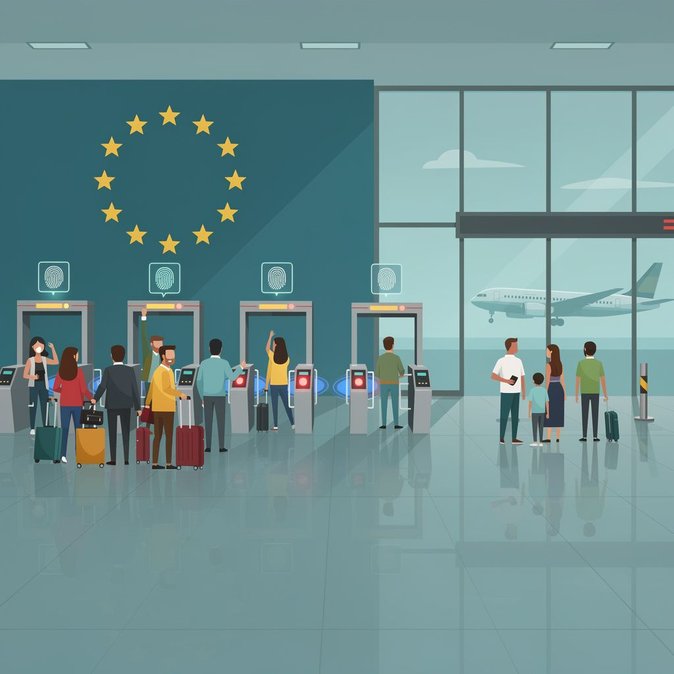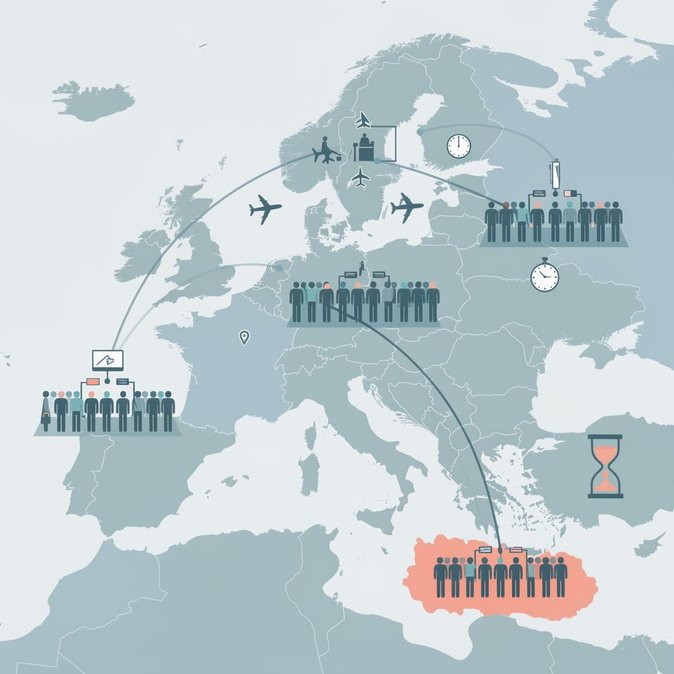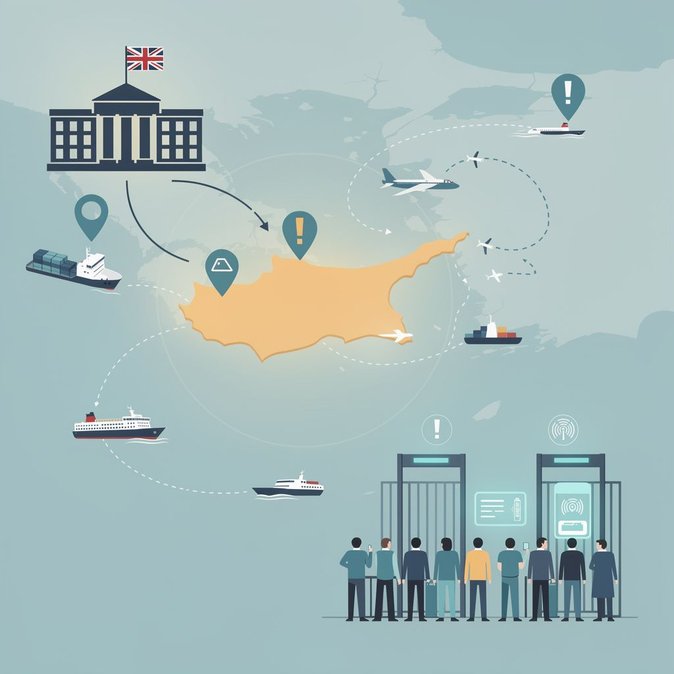
The UK Foreign, Commonwealth & Development Office (FCDO) re-issued its Cyprus travel guidance on 2 July, maintaining the advice level and reminding travellers to prepare for a fast-deteriorating regional security picture. While the underlying text was last substantively updated on 18 June, the ‘still current’ stamp of 2 July confirms that London’s crisis-planning recommendations – including contingency departure plans and the monitoring of local media – remain in force. The advisory highlights the unpredictable knock-on effects of the recent US-Iran memorandum aimed at de-escalating Middle-East tensions. With Cyprus hosting two British Sovereign Base Areas and acting as a staging post for humanitarian flights, officials warn that a sudden relapse into hostilities could affect commercial air routes, port operations and overland crossings of the UN Buffer Zone. British nationals are urged to sign up for email alerts and to keep passports valid for at least six months. From a mobility-management perspective, the notice is more than a routine refresher. Corporate travel departments using Cyprus as a project hub should review their duty-of-care protocols: confirm that travellers can be contacted quickly, verify that emergency evacuation providers have lift capacity at both Larnaca and Paphos airports, and brief assignees on restrictions that apply at the Pergamos and Strovilia crossing points. The FCDO also reiterates that the Republic of Cyprus is outside the Schengen Area for the time being. As a result, travellers transiting to Greece or other Schengen states will face the EU’s new biometric Entry/Exit System on arrival there, while still undergoing Cyprus-specific immigration checks on departure. Businesses should factor the extra processing time into travel schedules during the busy July-August peak. Although no new restrictions were added this week, the 2 July timestamp serves as an implicit notice that London is actively monitoring the situation – an important signal for compliance teams that use FCDO updates to trigger internal risk ratings and traveller-tracking alerts.