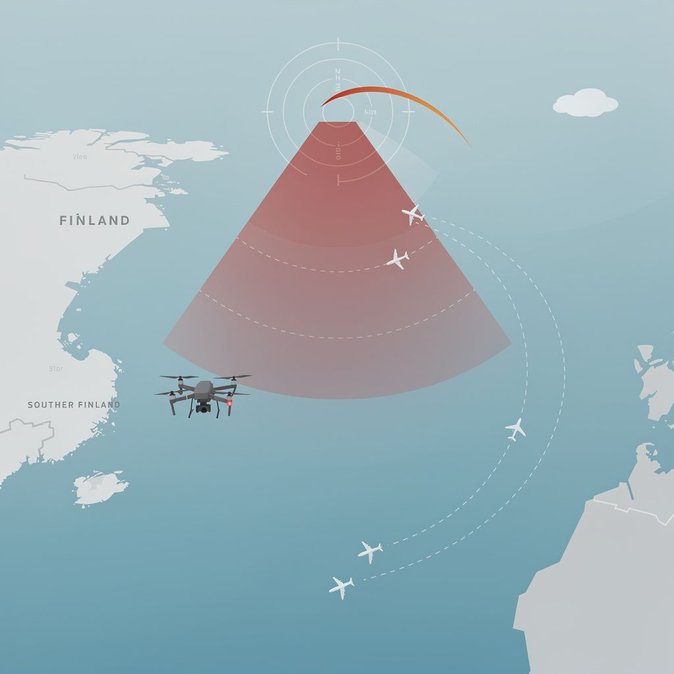
The Finnish Immigration Service (Migri) announced on 1 July 2026 that it has restarted full decision-making on all pending international-protection applications lodged by Iranian nationals. The agency had partially suspended rulings in February, citing rapidly deteriorating security conditions in Iran and the need for updated country-of-origin information. Following a reassessment—carried out with input from the European Union Agency for Asylum (EUAA) and Nordic partners—Migri now judges that it has sufficient data to resume normal case-by-case evaluations. Officers will prioritise the oldest files, many of which involve highly skilled professionals already working in Finland under temporary residence permits while awaiting an asylum outcome. For employers, especially in the technology and healthcare sectors that rely on Iranian specialists, the restart should unlock long-delayed residence-permit decisions and bring clarity to payroll, tax, and social-security arrangements. Positive rulings will grant either refugee status, subsidiary protection, or—in narrowly defined circumstances—a residence permit on humanitarian grounds. Negative decisions will be paired with a formal refusal of entry or stay, triggering return procedures. The episode illustrates how geopolitical volatility can suddenly disrupt Nordic asylum workflows and underscores the importance for global-mobility teams to monitor Migri bulletins. Companies sponsoring Iranian assignees are advised to keep travel documents valid and to prepare contingency plans should appeals be necessary. Immigration advisers note that, although processing has resumed, stricter credibility interviews and enhanced security screenings are likely to lengthen average decision times beyond Migri’s 6-month target. Looking ahead, the Finnish government is drafting broader amendments to the Aliens Act that would allow temporary suspensions for any nationality if intelligence indicates a sharp change in risk. Multinationals should therefore embed rapid-response clauses in assignment contracts to cope with future pauses.
How VisaHQ can help
VisaHQ simplifies the visa application process for individuals and businesses. Check current travel requirements, prepare the required documents and manage your application online through the VisaHQ Finland portal.More From Finland
View all
Airlines ask Brussels to let airports suspend new EES biometric checks; Helsinki travellers warned of five-hour queues
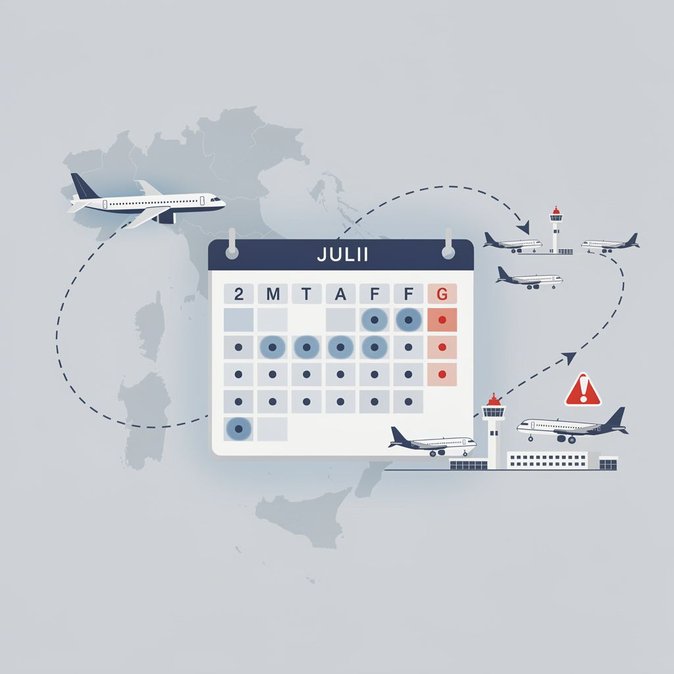
Finnair issues free rebooking for Italy strike as of 2 July—flex options for travellers via Helsinki