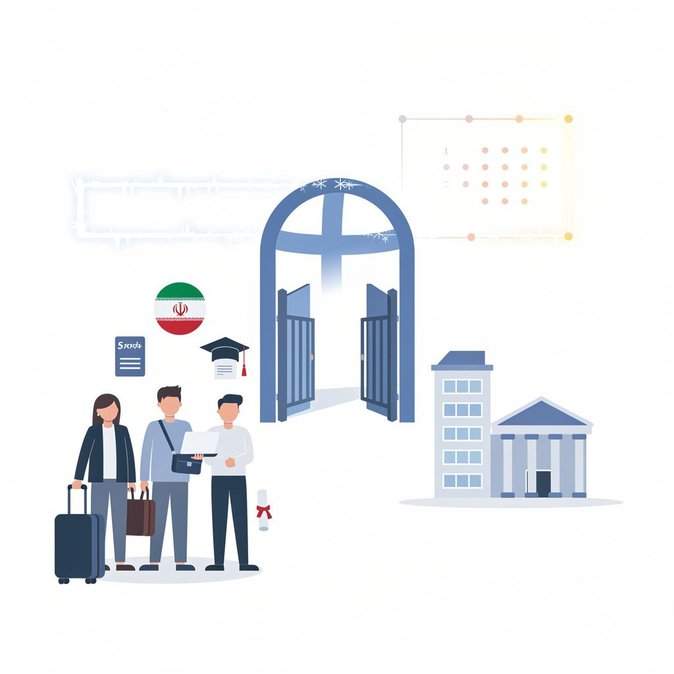
The Finnish Immigration Service (Migri) announced on 1 July 2026 that it has lifted a five-month suspension on decisions for asylum seekers from Iran. In February Migri paused assessments citing uncertainty over Tehran’s internal security situation after nationwide protests intensified. Having reviewed updated country-of-origin information, the agency says conditions are now sufficiently documented to resume normal adjudication. Roughly 430 pending Iranian applications—many lodged by tech workers and students whose residence permits had lapsed—will move to the front of the queue. Migri aims to clear the backlog within eight weeks, prioritising the oldest files. Applicants who receive a positive decision may obtain refugee status, subsidiary protection or humanitarian residence permits; negative rulings will include removal orders and potential re-entry bans. Employers that have been unable to onboard Iranian specialists because of pending asylum claims can now plan start dates, although work permission remains contingent on the final residence-permit category granted. Universities likewise expect clarity for dozens of doctoral candidates stuck in limbo and facing scholarship deadlines. For mobility teams the resumption removes one layer of unpredictability: legal representatives should promptly update client files with any new evidence on personal risk, language skills or employment history, as Migri will not automatically request supplements. Processing fees and biometrics appointments remain unchanged. Migri warns that future pauses remain possible if Iran’s security climate deteriorates again; companies with Iranian talent pipelines should therefore consider accelerating any planned intra-EU mobility or Blue-Card applications while the window is open.
Source: Finnish Immigration Service
How VisaHQ can help
VisaHQ simplifies the visa application process for individuals and businesses. Check current travel requirements, prepare the required documents and manage your application online through the VisaHQ Finland portal.More From Finland
View all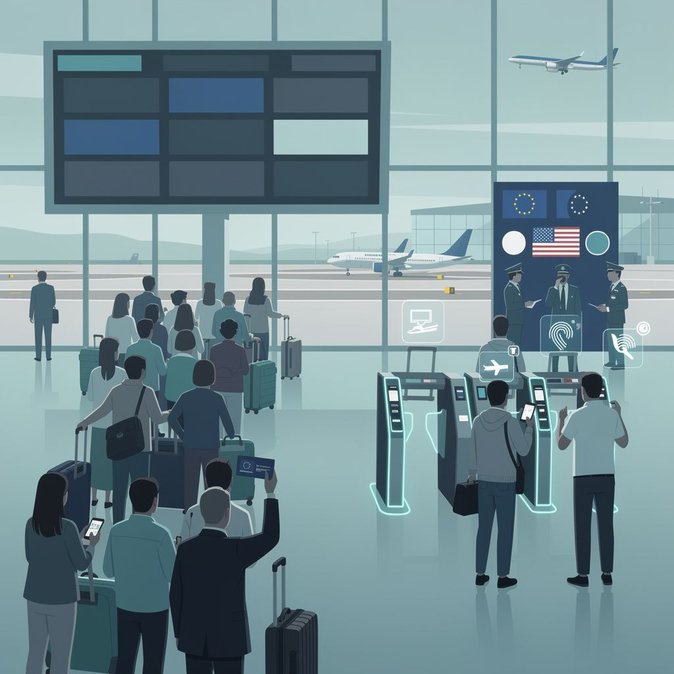
Airlines ask Brussels to let airports suspend new EES biometric checks; Helsinki travellers warned of five-hour queues
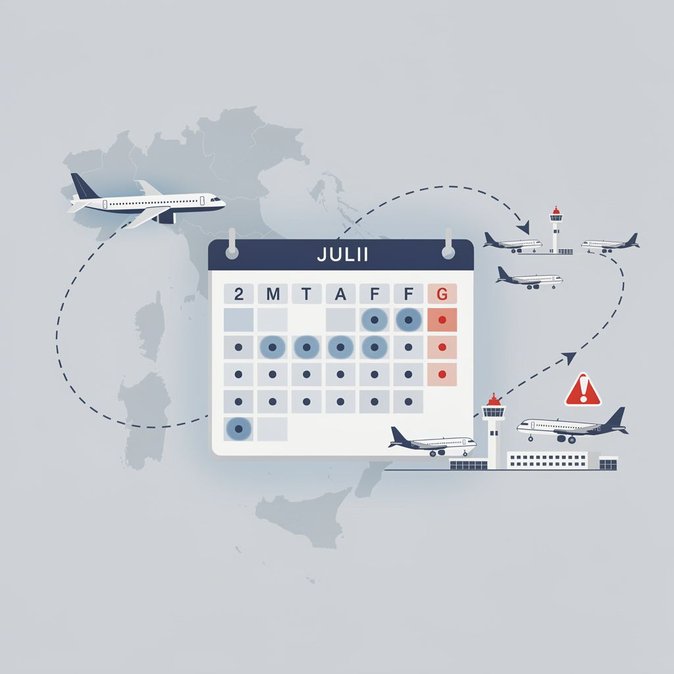
Finnair issues free rebooking for Italy strike as of 2 July—flex options for travellers via Helsinki