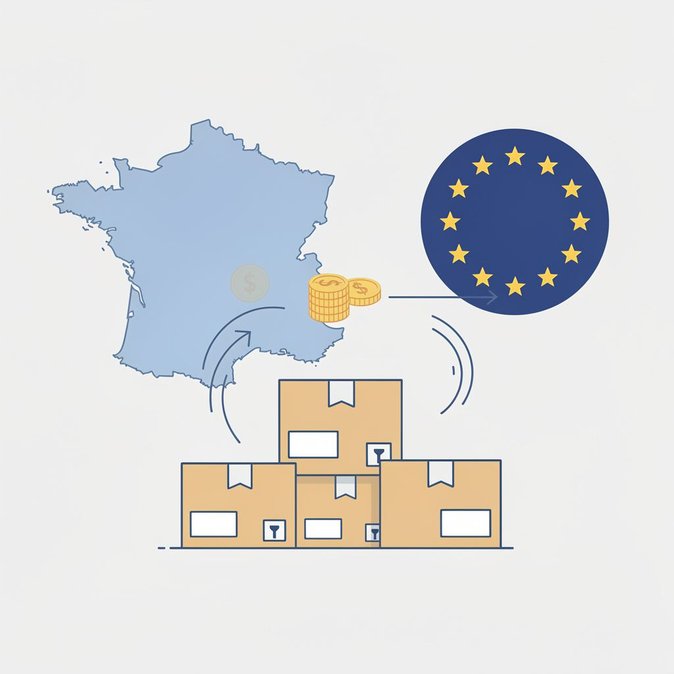
From 1 July, France has suspended the €2 levy it introduced in March on low-value parcels arriving from non-EU countries after Brussels activated a harmonised €3 customs duty across the 27 member states. The national charge—aimed at fast-fashion platforms such as Shein, Temu and AliExpress—was generating far less revenue than forecast because sellers rerouted shipments via other EU hubs, according to the Ministry for the Economy. Under the new regime, every distinct product category in a parcel worth €150 or less attracts a €3 duty payable by online platforms at the point of import. Because the EU will rebate 25 % of proceeds to the country where customs clearance occurs, Paris expects to recoup more than it lost with its unilateral measure.
![France scraps €2 ‘small-parcel’ import tax as new EU €3 duty comes into force]()
For travellers and expatriates juggling customs changes alongside visa and immigration formalities, VisaHQ can simplify at least part of the process. Its France portal (https://www.visahq.com/france/) offers fast, up-to-date guidance and application support for visas, passports and other travel documents, ensuring globally mobile employees avoid administrative surprises when shipping goods or planning cross-border moves.
For expatriates and internationally mobile staff, the change means that gifts and personal purchases shipped to a French address will now incur the EU-wide charge instead of the French tax, eliminating the risk of double payment. However, the cumulative cost could still rise: a parcel containing three different items will now be charged €9 instead of the former flat €2. Corporate relocation specialists should update welcome packs to reflect the new duty and advise assignees to consolidate e-commerce orders to minimise per-category fees. Logistics companies told clients to prepare IT systems for the additional data fields required on customs declarations. A further EU ‘handling fee’ is scheduled for November 2026, meaning charges on small parcels will change again before year-end. Mobility teams may wish to negotiate corporate discounts with courier partners or consider shipping allowances in relocation policies.

For travellers and expatriates juggling customs changes alongside visa and immigration formalities, VisaHQ can simplify at least part of the process. Its France portal (https://www.visahq.com/france/) offers fast, up-to-date guidance and application support for visas, passports and other travel documents, ensuring globally mobile employees avoid administrative surprises when shipping goods or planning cross-border moves.
For expatriates and internationally mobile staff, the change means that gifts and personal purchases shipped to a French address will now incur the EU-wide charge instead of the French tax, eliminating the risk of double payment. However, the cumulative cost could still rise: a parcel containing three different items will now be charged €9 instead of the former flat €2. Corporate relocation specialists should update welcome packs to reflect the new duty and advise assignees to consolidate e-commerce orders to minimise per-category fees. Logistics companies told clients to prepare IT systems for the additional data fields required on customs declarations. A further EU ‘handling fee’ is scheduled for November 2026, meaning charges on small parcels will change again before year-end. Mobility teams may wish to negotiate corporate discounts with courier partners or consider shipping allowances in relocation policies.