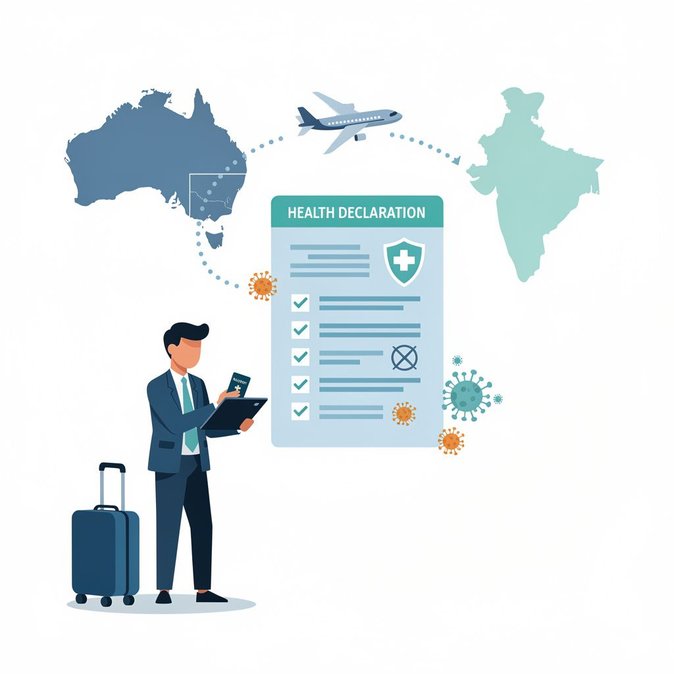
Australia’s Department of Foreign Affairs and Trade updated its Smartraveller advisory for India late on 1 July, mirroring New Delhi’s health-screening step-up. Travellers—Australian citizens and OCI holders alike—must now fill out the Air Suvidha 2.0 online self-declaration within 24 hours of departure and an e-Arrival Card within 72 hours. The advisory warns of “delays and additional screening” for non-compliance and reiterates that a valid visa or OCI card remains compulsory.
VisaHQ can help simplify this paperwork: its intuitive portal for India (https://www.visahq.com/india/) guides travellers through visa options, the new Air Suvidha and e-Arrival Card processes, and sends alerts when requirements change—making compliance far less of a headache for both corporate travel teams and individual passengers.
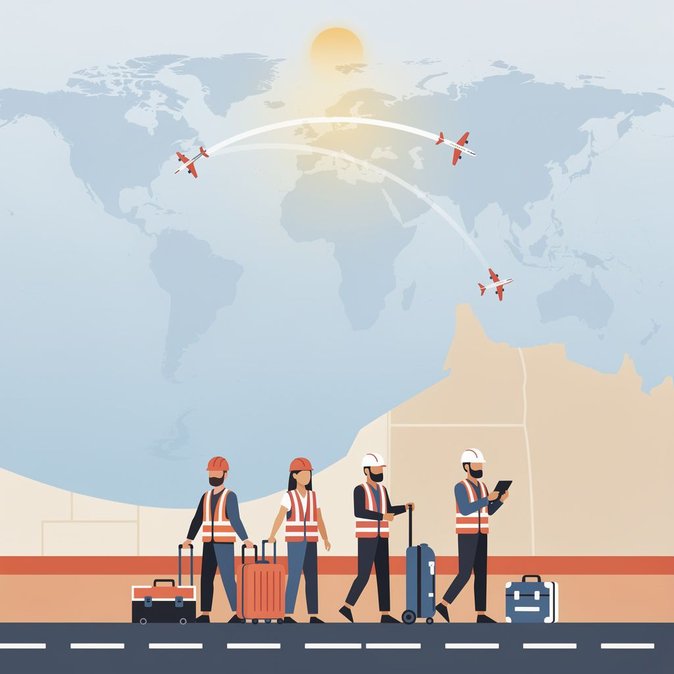
The update keeps Australia’s overall advice level at “exercise a high degree of caution” but maintains “do not travel” warnings for Jammu & Kashmir, the India-Pakistan border and Manipur. For companies rotating fly-in engineers from Perth and Brisbane to Indian mining and infrastructure projects, the dual-form requirement adds another pre-flight task that must be completed even when using charter services. Travel-risk teams should embed the new link in booking confirmations and build a compliance checklist into their traveller-tracking platforms. Although framed around Ebola prevention, the move signals India’s willingness to revive digital health declarations for future outbreaks, suggesting that pandemic-era processes may return quickly when global health risks spike.
VisaHQ can help simplify this paperwork: its intuitive portal for India (https://www.visahq.com/india/) guides travellers through visa options, the new Air Suvidha and e-Arrival Card processes, and sends alerts when requirements change—making compliance far less of a headache for both corporate travel teams and individual passengers.
The update keeps Australia’s overall advice level at “exercise a high degree of caution” but maintains “do not travel” warnings for Jammu & Kashmir, the India-Pakistan border and Manipur. For companies rotating fly-in engineers from Perth and Brisbane to Indian mining and infrastructure projects, the dual-form requirement adds another pre-flight task that must be completed even when using charter services. Travel-risk teams should embed the new link in booking confirmations and build a compliance checklist into their traveller-tracking platforms. Although framed around Ebola prevention, the move signals India’s willingness to revive digital health declarations for future outbreaks, suggesting that pandemic-era processes may return quickly when global health risks spike.