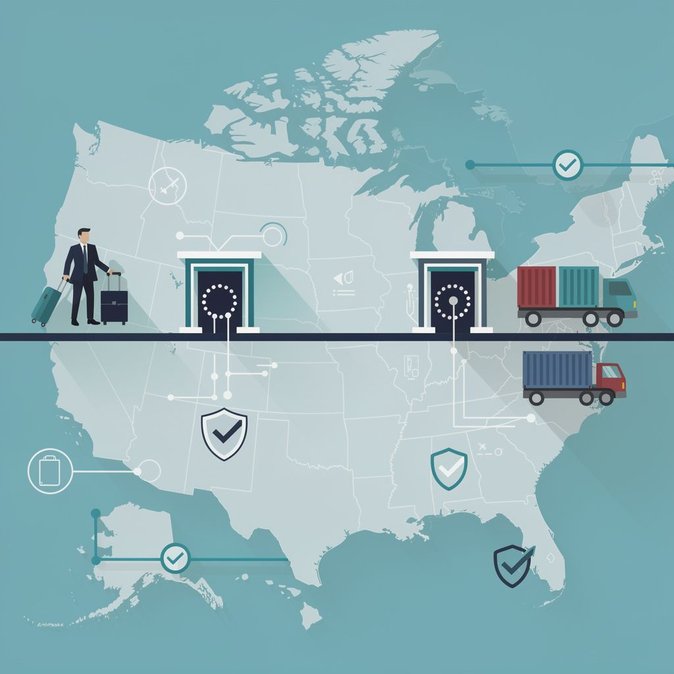
In a rare burst of productivity, the House Committee on Homeland Security voted on 2 July 2026 to send 19 bipartisan bills to the House floor under expedited procedures. The package touches almost every corner of the mobility landscape, from TSA screening to northern-border facilitation. Highlights include the NEXUS for Families Act, which would allow parents to file a single application for all children under 14 and waive interviews for minors—potentially slashing wait times for cross-border commuters.
VisaHQ can help companies and individual travelers navigate these forthcoming changes by offering step-by-step online processing for NEXUS enrollments, U.S. and Canadian visas, and related travel documents. Through its portal at https://www.visahq.com/united-states/ the service automates form completion, provides real-time status alerts, and gives access to expert support, saving time and reducing compliance risks as cross-border traffic accelerates.
The Reimbursable Screening Services Program Extension Act prolongs the authority that lets airports and private firms pay TSA to set up dedicated lanes—a boon for companies that move high volumes of employees through secondary hubs. On the security side, the Northern Border Security Enhancement and Review Act mandates a vulnerability assessment of U.S.–Canada crossings, while the SAFE Visits Act directs DHS intelligence analysts to examine threats posed by foreign visitors seeking access to state and local facilities. Finally, the TWICE Act aims to streamline the Transportation Worker Identification Credential process for rehabilitated ex-offenders, reducing maritime labour shortages. Because the bills will be considered under suspension of the rules, each will need two-thirds support; observers expect quick passage before the August recess. Multinationals should watch the NEXUS reforms in particular, as a family-friendly application process could increase cross-border rotational assignments to Canada. Employers with large operations in the Great Lakes and Pacific Northwest should also monitor forthcoming northern-border security reviews that could alter hours of operation or commercial-vehicle screening regimes.
VisaHQ can help companies and individual travelers navigate these forthcoming changes by offering step-by-step online processing for NEXUS enrollments, U.S. and Canadian visas, and related travel documents. Through its portal at https://www.visahq.com/united-states/ the service automates form completion, provides real-time status alerts, and gives access to expert support, saving time and reducing compliance risks as cross-border traffic accelerates.
The Reimbursable Screening Services Program Extension Act prolongs the authority that lets airports and private firms pay TSA to set up dedicated lanes—a boon for companies that move high volumes of employees through secondary hubs. On the security side, the Northern Border Security Enhancement and Review Act mandates a vulnerability assessment of U.S.–Canada crossings, while the SAFE Visits Act directs DHS intelligence analysts to examine threats posed by foreign visitors seeking access to state and local facilities. Finally, the TWICE Act aims to streamline the Transportation Worker Identification Credential process for rehabilitated ex-offenders, reducing maritime labour shortages. Because the bills will be considered under suspension of the rules, each will need two-thirds support; observers expect quick passage before the August recess. Multinationals should watch the NEXUS reforms in particular, as a family-friendly application process could increase cross-border rotational assignments to Canada. Employers with large operations in the Great Lakes and Pacific Northwest should also monitor forthcoming northern-border security reviews that could alter hours of operation or commercial-vehicle screening regimes.