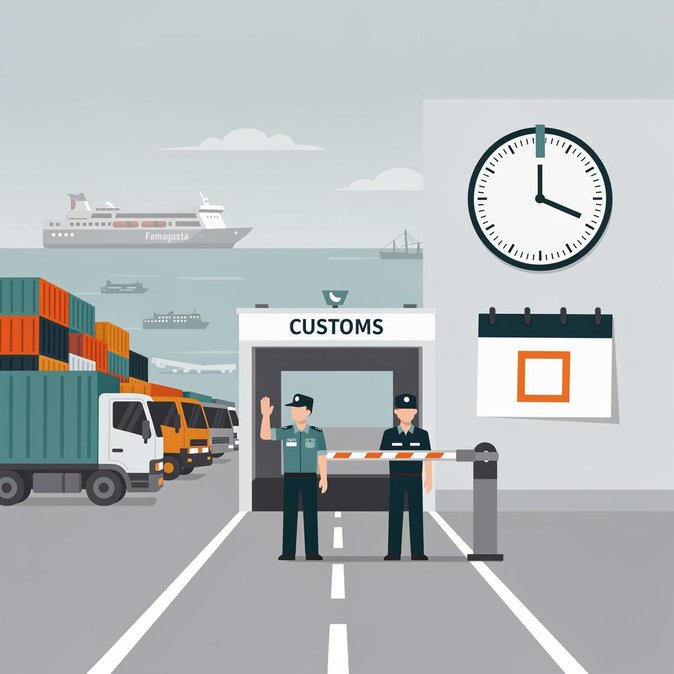
Northern Cyprus’s Güç-Sen customs union held a warning strike at Famagusta port from 08:00 to 10:00 on 3 July to protest staff shortages and outdated scanning equipment. During the two-hour stoppage officers stopped accepting new declarations, leaving dozens of lorries idling outside the gate and pushing back ferry departure times by up to three hours. Although the action did not extend to the island’s land checkpoints, shippers moving cargo between Turkey and the UN-controlled buffer zone reported knock-on delays as forwarders diverted loads to Limassol and Mersin.
For businesses and travelers navigating these shifting logistics patterns, VisaHQ can simplify the paperwork side of the equation. The company’s online portal (https://www.visahq.com/cyprus/) provides up-to-date entry requirements, expedited processing, and courier services, ensuring drivers, technicians, and visiting staff obtain the necessary visas quickly—even when sudden port disruptions force rerouting or emergency crew rotations.
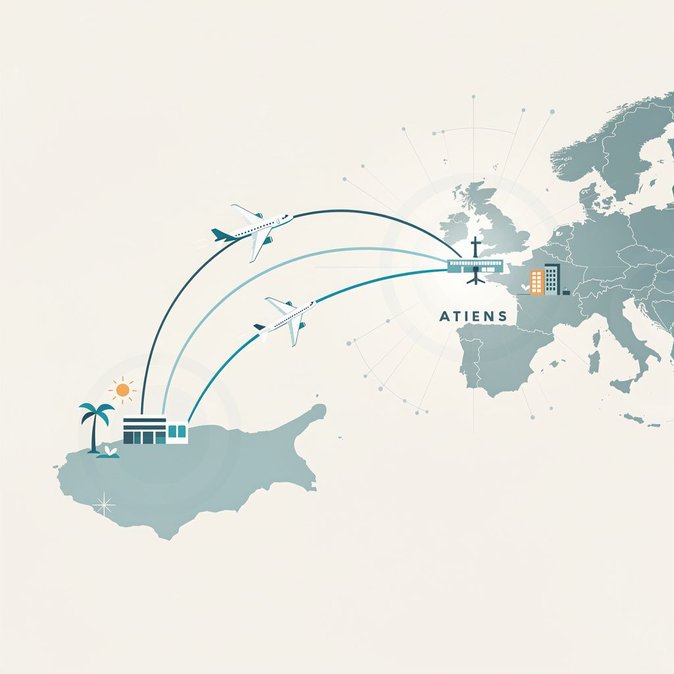
Perishable-goods importers say refrigerated trucks were prioritised once work resumed, but some fresh-produce loads still missed connecting distribution slots. The union warns that unless 25 vacant posts are filled and a promised x-ray scanner is delivered before the autumn citrus export peak, it will escalate to rolling 24-hour strikes. For multinational supply chains the episode is a reminder that port infrastructure on both sides of the divide remains vulnerable to labour unrest, potentially complicating just-in-time inventory strategies. Companies shipping high-value components through Famagusta should consider contingency routing via Larnaca’s air-cargo terminal or Limassol’s container quay and build extra lead time into purchase orders. Insurers may also ask for updated risk assessments if prolonged industrial action materialises. (Source: Cyprus FAQ)
For businesses and travelers navigating these shifting logistics patterns, VisaHQ can simplify the paperwork side of the equation. The company’s online portal (https://www.visahq.com/cyprus/) provides up-to-date entry requirements, expedited processing, and courier services, ensuring drivers, technicians, and visiting staff obtain the necessary visas quickly—even when sudden port disruptions force rerouting or emergency crew rotations.
Perishable-goods importers say refrigerated trucks were prioritised once work resumed, but some fresh-produce loads still missed connecting distribution slots. The union warns that unless 25 vacant posts are filled and a promised x-ray scanner is delivered before the autumn citrus export peak, it will escalate to rolling 24-hour strikes. For multinational supply chains the episode is a reminder that port infrastructure on both sides of the divide remains vulnerable to labour unrest, potentially complicating just-in-time inventory strategies. Companies shipping high-value components through Famagusta should consider contingency routing via Larnaca’s air-cargo terminal or Limassol’s container quay and build extra lead time into purchase orders. Insurers may also ask for updated risk assessments if prolonged industrial action materialises. (Source: Cyprus FAQ)