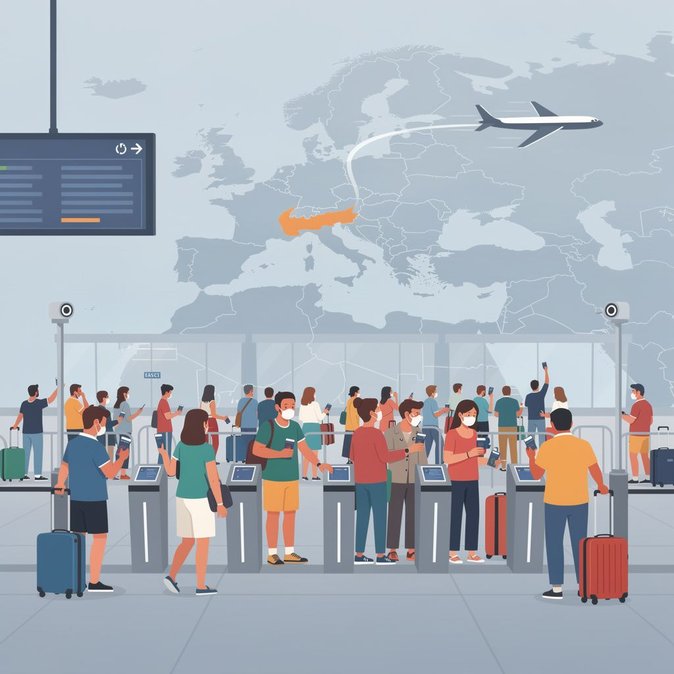
An open letter released on 3 July 2026 by A4E, ACI Europe and IATA calls on European Commission president Ursula von der Leyen to grant airports the power to suspend the new Schengen Entry/Exit System (EES) during the July–August peak. Industry leaders say queues have already hit five hours at some terminals despite a temporary biometric-data waiver, and warn that passenger confidence is eroding.
At any stage of this evolving landscape, Cypriot travellers and the businesses that rely on them can streamline planning by using VisaHQ’s online tools and experts. The Cyprus portal (https://www.visahq.com/cyprus/) explains Schengen requirements, offers real-time visa and passport guidance, and can secure fast-track appointments—saving precious minutes when every connection counts.
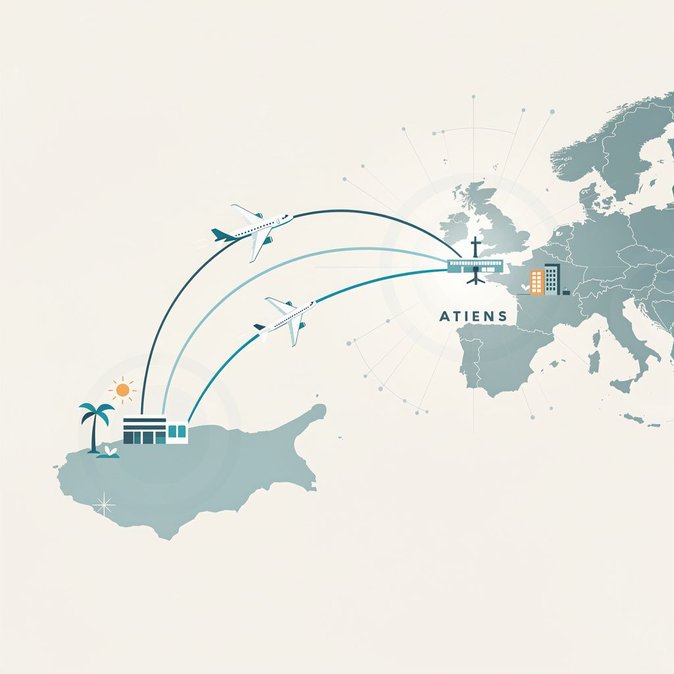
Although Cyprus and Ireland are the only EU states not yet applying EES, Cypriot travellers are directly affected when entering mainland Europe, while airlines serving the island must schedule longer turn-arounds at congested hubs. The letter demands a “permanent operational flexibility mechanism” so border police can revert to manual passport stamping when lines exceed capacity. For mobility and relocation managers the message is clear: advise staff to allow extra connection time this summer, pre-register in any available apps, and keep proof of outbound flights to defend against potential automated overstay flags. Companies moving equipment or critical personnel through Schiphol, Charles de Gaulle or Milan Bergamo—airports explicitly cited in earlier warnings—should develop contingency routings via Istanbul or Dubai where possible. Brussels has so far insisted the system is working, but EU sources told EU Reporter that a crisis meeting with member states will be held next week. If flexibility is not granted, airlines may lobby for blanket exemptions for small leisure airports such as Paphos that process mainly non-EU traffic in summer. The episode underscores how decisions taken in Brussels reverberate across Cyprus’ tourism-driven economy: more than 70 % of foreign visitors land after transiting a Schengen hub.
At any stage of this evolving landscape, Cypriot travellers and the businesses that rely on them can streamline planning by using VisaHQ’s online tools and experts. The Cyprus portal (https://www.visahq.com/cyprus/) explains Schengen requirements, offers real-time visa and passport guidance, and can secure fast-track appointments—saving precious minutes when every connection counts.
Although Cyprus and Ireland are the only EU states not yet applying EES, Cypriot travellers are directly affected when entering mainland Europe, while airlines serving the island must schedule longer turn-arounds at congested hubs. The letter demands a “permanent operational flexibility mechanism” so border police can revert to manual passport stamping when lines exceed capacity. For mobility and relocation managers the message is clear: advise staff to allow extra connection time this summer, pre-register in any available apps, and keep proof of outbound flights to defend against potential automated overstay flags. Companies moving equipment or critical personnel through Schiphol, Charles de Gaulle or Milan Bergamo—airports explicitly cited in earlier warnings—should develop contingency routings via Istanbul or Dubai where possible. Brussels has so far insisted the system is working, but EU sources told EU Reporter that a crisis meeting with member states will be held next week. If flexibility is not granted, airlines may lobby for blanket exemptions for small leisure airports such as Paphos that process mainly non-EU traffic in summer. The episode underscores how decisions taken in Brussels reverberate across Cyprus’ tourism-driven economy: more than 70 % of foreign visitors land after transiting a Schengen hub.