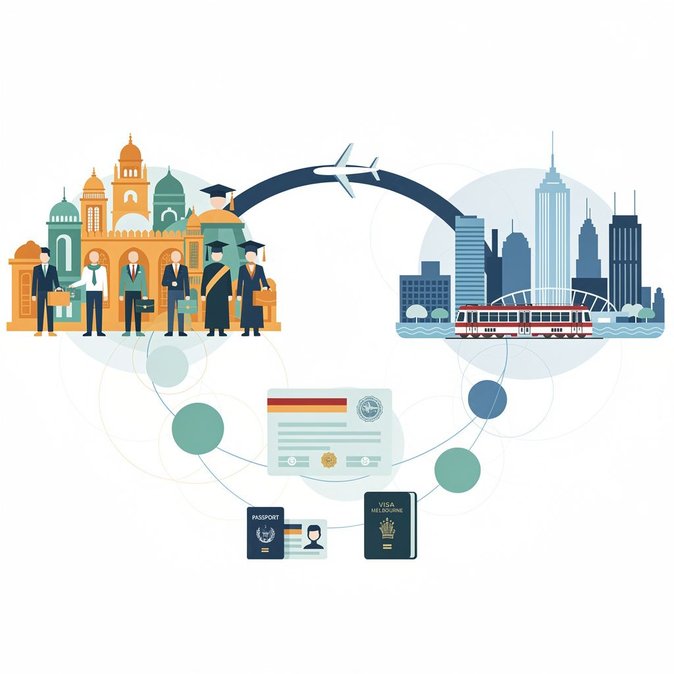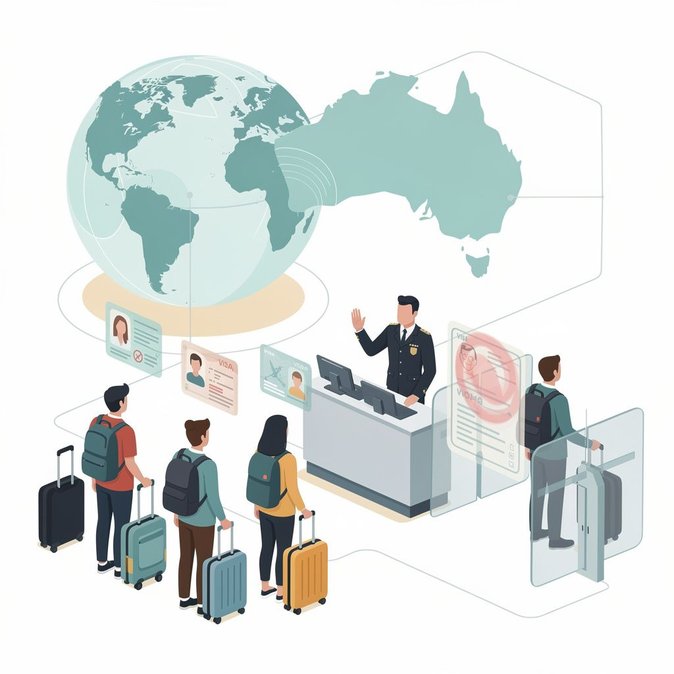
A July 3 explainer from migration-law specialists has thrown a spotlight on Australia’s new “Arrival Control” framework—legislation that quietly passed Parliament earlier this year but is already reshaping travel risk for temporary visa holders. Under Division 3AA of the Migration Amendment (2026 Measures No. 1) Act, the Immigration Minister can issue an Arrival Control Determination to temporarily bar specified groups of visa holders from entering Australia, even if their visas remain valid. The first use of the power came on 26 March 2026, when the government halted the arrival of Iranian citizens holding Visitor subclass 600 visas amid concerns they might overstay. Airlines were instructed not to uplift affected passengers, illustrating how rapidly an otherwise valid travel plan can unravel. Unlike classic visa cancellation, an Arrival Control Determination does not revoke the visa; it merely suspends the right to cross the border for up to six months (renewable). Because refusals under the new regime occur offshore, travellers have no access to tribunal merits review, although judicial review remains theoretically possible. Universities, tour operators and global employers are therefore being urged to monitor determinations alongside visa grants when scheduling intakes or assignments. From a compliance perspective, the law aligns Australia with similar “travel authorisation” overlays seen in Canada and the United States, where Customs and Border Protection retain a second-layer veto. Critics argue the Australian model lacks clear, objective triggers and could be used to target nationalities for political reasons. The Department of Home Affairs counters that the measure is narrow and proportionate, aimed at “situations where external events sharply increase overstay risk”. Practical tips for mobility managers include adding Arrival Control checks to pre-departure briefings, purchasing flexible airfares, and warning staff not to finalise accommodation until 72 hours before travel. Failure to heed a determination could see travellers denied boarding and incur significant rebooking costs.
Source: Visa and Immigrations