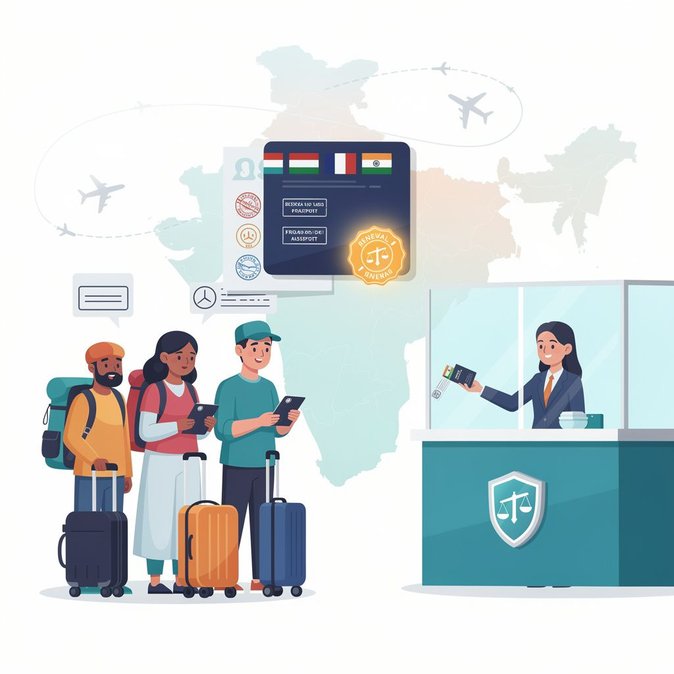
Indian diplomatic missions worldwide have published identical notices (most recently on 3-4 July) confirming that foreigners unable to depart India since 28 February 2026—the date many Gulf carriers curtailed services amid the Israel-Iran conflict—will receive: (1) gratis visa extensions until commercial flights normalise, (2) a full waiver of overstay penalties, and (3) free exit permits when they are finally able to leave. The measure, authorised by the Ministry of Home Affairs under Rule 15 of the 2025 Immigration and Foreigners Rules, applies to e-Visa holders and regular visas alike. Beneficiaries must file an online application via the e-Visa portal or present themselves at the nearest Foreigners Regional Registration Office (FRRO). Extensions are typically granted in 30-day blocks and can be renewed on production of a no-flight-availability letter from the airline or travel agent. While the policy chiefly helps tourists from the Middle East, it also covers expatriate employees of Indian subsidiaries whose rotation cycles were disrupted by air-space closures. HR teams should note that an extended stay authorised in this manner does not count as ‘days in India’ for tax-residency purposes, according to a CBDT circular issued in April. Companies hosting stranded consultants should nevertheless update STPI and SEZ visitor logs to reflect the legal extension and adjust accommodation budgets. Once evacuation corridors open—expected progressively via Muscat and Doha—exit permits must be downloaded at least 48 hours before departure.