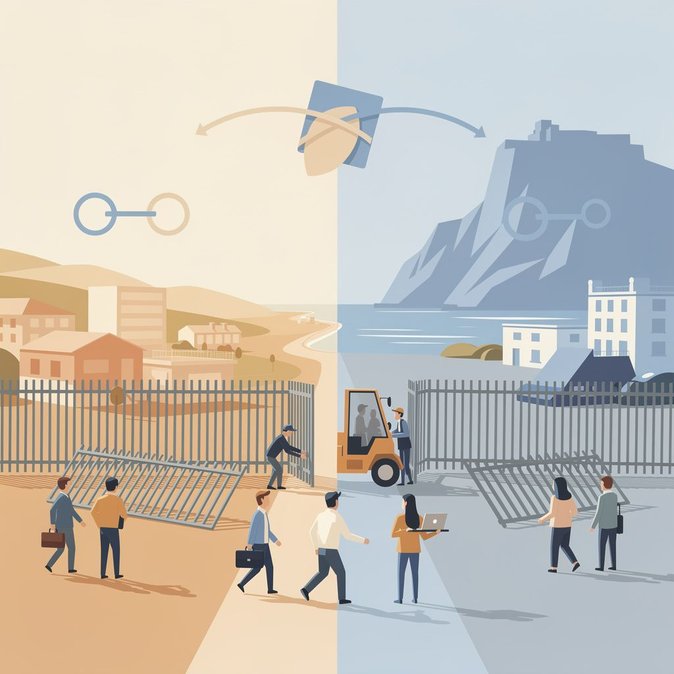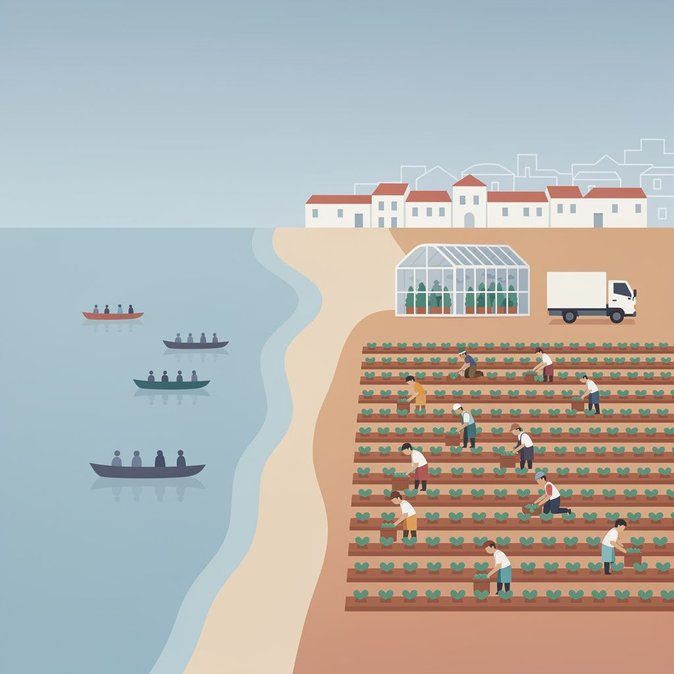
Spain recorded 10,701 irregular migrant arrivals between 1 January and 15 June 2026—36 % fewer than in the same period last year, according to Interior-Ministry figures published by Infobae on 4 July. Maritime arrivals, which historically account for the bulk of clandestine entries, dropped almost 49 % to 8,115 people, thanks largely to a steep fall on the perilous Atlantic route from West Africa to the Canary Islands. Officials credit reinforced surveillance by Spain’s Guardia Civil and Senegalese patrols, as well as the EU-funded Seahorse satellite programme that provides real-time dinghy detection. Arrivals to Ceuta, however, tripled, reflecting shifting smuggling patterns in the Strait of Gibraltar.
For travelers, companies, and migrants who want to make sure their paperwork is in order before heading to Spain—whether through the new circular-migration schemes or more traditional work and study routes—VisaHQ can streamline the visa application process by offering step-by-step guidance, document checks, and real-time status updates. Their dedicated Spain portal helps applicants understand which visa best fits their situation, calculate fees, and avoid the kinds of administrative delays that often lead people to take irregular paths.
For employers, the downturn means reduced pressure on refugee reception centres but does not dent demand for legal migration channels. The Labour Ministry projects a shortfall of 200,000 workers this summer in tourism and agriculture; many vacancies will be filled via the new regularisation programme or circular-migration schemes with Colombia and Morocco. NGOs caution that lower arrival tallies do not necessarily signal fewer deaths. Monitoring group Caminando Fronteras estimates that at least 289 people died or disappeared on the Atlantic route in the first five months of 2026. In policy terms, the data provide ammunition for the government’s argument that expanding legal pathways can coexist with tougher border management, a narrative likely to feature in upcoming regional election debates.
For travelers, companies, and migrants who want to make sure their paperwork is in order before heading to Spain—whether through the new circular-migration schemes or more traditional work and study routes—VisaHQ can streamline the visa application process by offering step-by-step guidance, document checks, and real-time status updates. Their dedicated Spain portal helps applicants understand which visa best fits their situation, calculate fees, and avoid the kinds of administrative delays that often lead people to take irregular paths.
For employers, the downturn means reduced pressure on refugee reception centres but does not dent demand for legal migration channels. The Labour Ministry projects a shortfall of 200,000 workers this summer in tourism and agriculture; many vacancies will be filled via the new regularisation programme or circular-migration schemes with Colombia and Morocco. NGOs caution that lower arrival tallies do not necessarily signal fewer deaths. Monitoring group Caminando Fronteras estimates that at least 289 people died or disappeared on the Atlantic route in the first five months of 2026. In policy terms, the data provide ammunition for the government’s argument that expanding legal pathways can coexist with tougher border management, a narrative likely to feature in upcoming regional election debates.