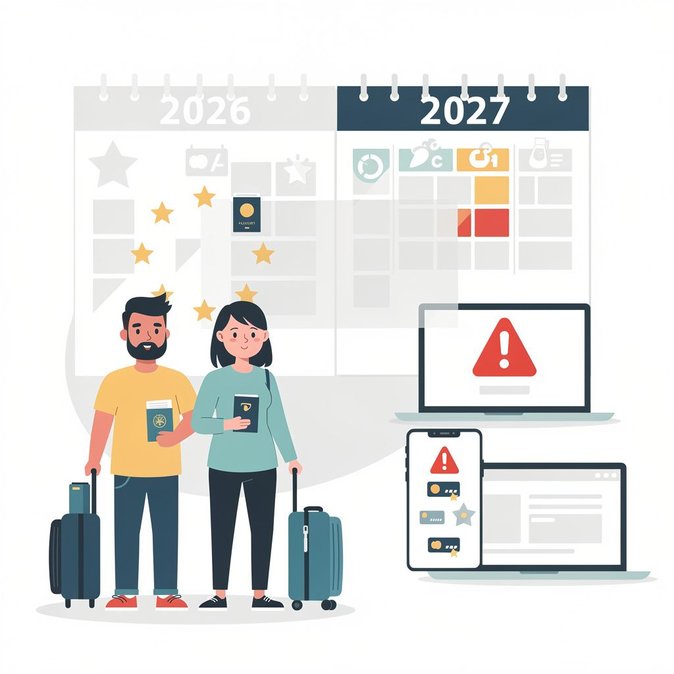
With a surge in misleading adverts claiming travellers must apply for ETIAS now, visa-document specialist PNR Booking published an advisory on 5 July clarifying that the European Travel Information and Authorisation System will not launch before the last quarter of 2026. The blog post, vetted against European Commission sources, reiterates that ETIAS will cost €20 and will become mandatory only after a transition period—likely April 2027.
For companies and individual travellers who want a trusted source of updates and document support long before ETIAS goes live, VisaHQ’s Italy portal (https://www.visahq.com/italy/) offers consolidated guidance on forthcoming ETIAS requirements, current Schengen visa rules and passport-validity checks, helping HR teams and leisure travellers avoid misinformation while streamlining future applications.
The clarification is timely: Google search data show a 300 percent spike in queries such as “apply ETIAS Italy” over the past month, and unofficial websites already charge up to €69 for “pre-registrations.” Italian consulates abroad have issued multiple fraud warnings after seeing forged “confirmations” attached to Schengen-visa files. For mobility managers the message is simple: do not budget ETIAS fees for 2026 travel, but do plan information campaigns for employees and assignees from visa-exempt countries—especially the US, UK, Canada and Australia—once the EU sets a definitive launch date. Carriers will eventually be obliged to verify ETIAS status at check-in, so HR travel policies should include passport-validity and ETIAS-eligibility checks in the pre-trip approval workflow. The reminder also dovetails with the ongoing implementation of the Entry/Exit System (EES), which went live in April. Travellers should expect longer lines this summer as first-time biometric enrolment under EES can add 15-20 minutes at busy airports like Rome-Fiumicino and Milan-Malpensa. Action points: educate travellers that no legitimate ETIAS application portal is open yet; direct them only to the official EU site once launched; and monitor airline and border-force communications for the formal notice of mandatory enforcement.
For companies and individual travellers who want a trusted source of updates and document support long before ETIAS goes live, VisaHQ’s Italy portal (https://www.visahq.com/italy/) offers consolidated guidance on forthcoming ETIAS requirements, current Schengen visa rules and passport-validity checks, helping HR teams and leisure travellers avoid misinformation while streamlining future applications.
The clarification is timely: Google search data show a 300 percent spike in queries such as “apply ETIAS Italy” over the past month, and unofficial websites already charge up to €69 for “pre-registrations.” Italian consulates abroad have issued multiple fraud warnings after seeing forged “confirmations” attached to Schengen-visa files. For mobility managers the message is simple: do not budget ETIAS fees for 2026 travel, but do plan information campaigns for employees and assignees from visa-exempt countries—especially the US, UK, Canada and Australia—once the EU sets a definitive launch date. Carriers will eventually be obliged to verify ETIAS status at check-in, so HR travel policies should include passport-validity and ETIAS-eligibility checks in the pre-trip approval workflow. The reminder also dovetails with the ongoing implementation of the Entry/Exit System (EES), which went live in April. Travellers should expect longer lines this summer as first-time biometric enrolment under EES can add 15-20 minutes at busy airports like Rome-Fiumicino and Milan-Malpensa. Action points: educate travellers that no legitimate ETIAS application portal is open yet; direct them only to the official EU site once launched; and monitor airline and border-force communications for the formal notice of mandatory enforcement.