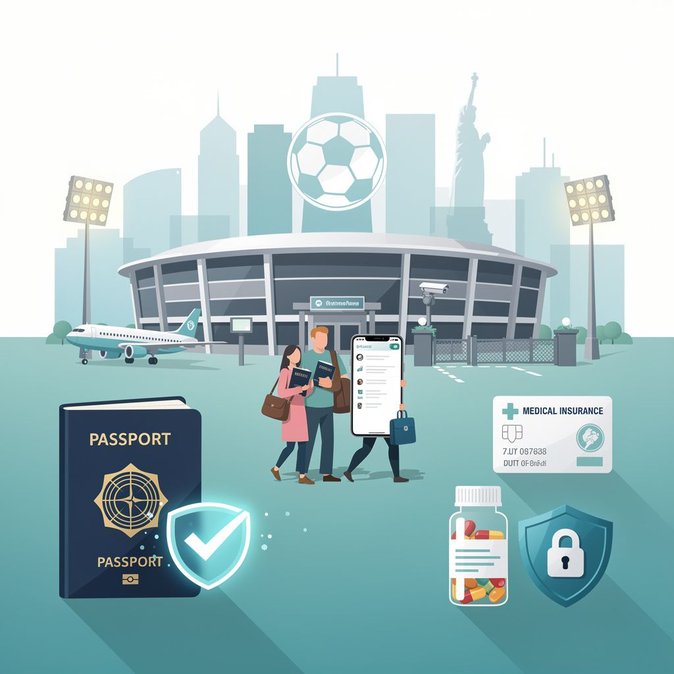
The UK Foreign, Commonwealth & Development Office (FCDO) quietly refreshed its World Cup 2026 travel pages on 5 July, adding new advice for British fans heading to matches in the United States. The update emphasises stringent stadium-security rules, state-specific alcohol laws, and the need for adequate health insurance given the high cost of U.S. medical care. Crucially for mobility planners, the FCDO notes that ESTA holders who combine match attendance with business meetings must ensure that their activities remain within permissible B-1 scope. British companies flying staff to client events in host cities such as New York, Atlanta and Seattle are being told to document agendas carefully in case U.S. Customs and Border Protection officers ask for evidence at the port of entry. The guidance also urges travellers to download the official FIFA 26 app for live safety notifications and to sign up for local state-alert systems—resources that global mobility teams can incorporate into pre-trip briefings. Fans are reminded that carrying prescription medication requires the original container and a copy of the prescription, a point that has snagged visitors at previous U.S. sporting mega-events. Although the advice is aimed at UK nationals, multinational employers see it as an early template for wider European outreach and expect other governments to issue similar updates in coming days. U.S. destination-service providers report a spike in requests for temporary housing near stadiums, while car-rental firms are releasing limited-edition “World Cup” cancellation-flex rates to persuade corporate clients to book early. The FCDO will continue to push rolling updates throughout the tournament, meaning that travel-policy owners should monitor the page and circulate changes to travelling employees within 24 hours of publication.
How VisaHQ can help
VisaHQ simplifies the visa application process for individuals and businesses. Check current travel requirements, prepare the required documents and manage your application online through the VisaHQ United States of America portal.More From United States of America
View all
New analysis explains how Supreme Court’s birthright-citizenship ruling stabilises immigration planning for employers
Congress Sends $70 Billion Secure America Act to President, Locking-In DHS Enforcement Funding Through 2029