Dubai has published its half-year results for the emirate’s ‘Smart Travel Ecosystem’, and the numbers read like an aviation case study in digital disruption. According to the General Directorate of Residency and Foreigners Affairs–Dubai (GDRFA), 9,464,057 travellers used the paper-free system between January 1 and June 30 2026.
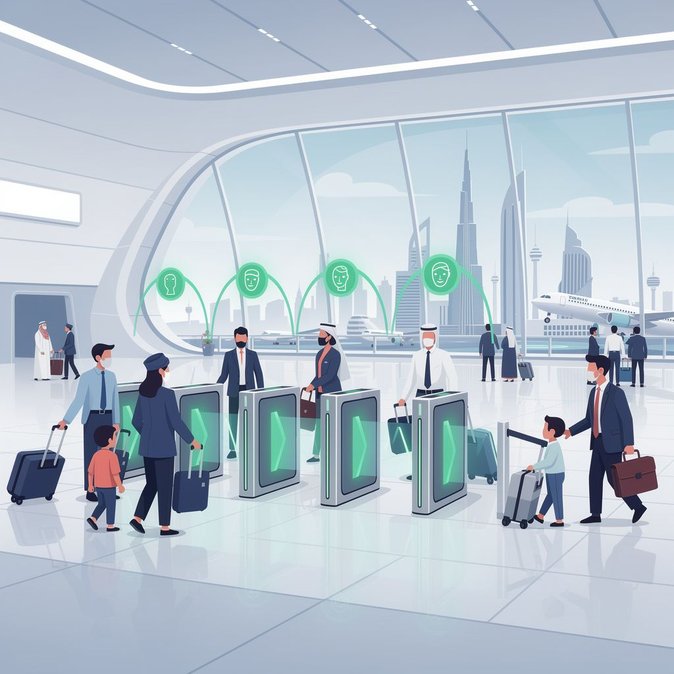
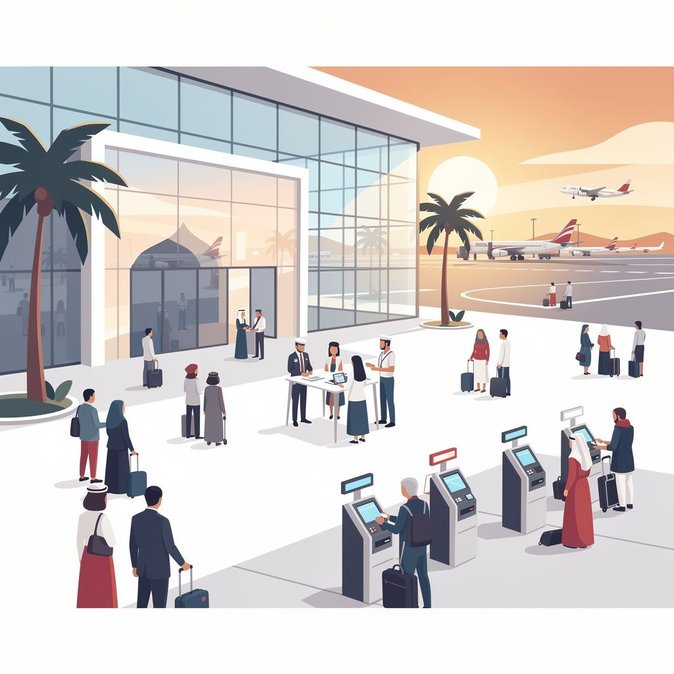
Of those, more than 9 million relied on the familiar Smart Gates, while 439,321 passengers chose the premium ‘Travel Without Borders – Red Carpet’ lane, where immigration clearance now averages a record-breaking 3.4 seconds.
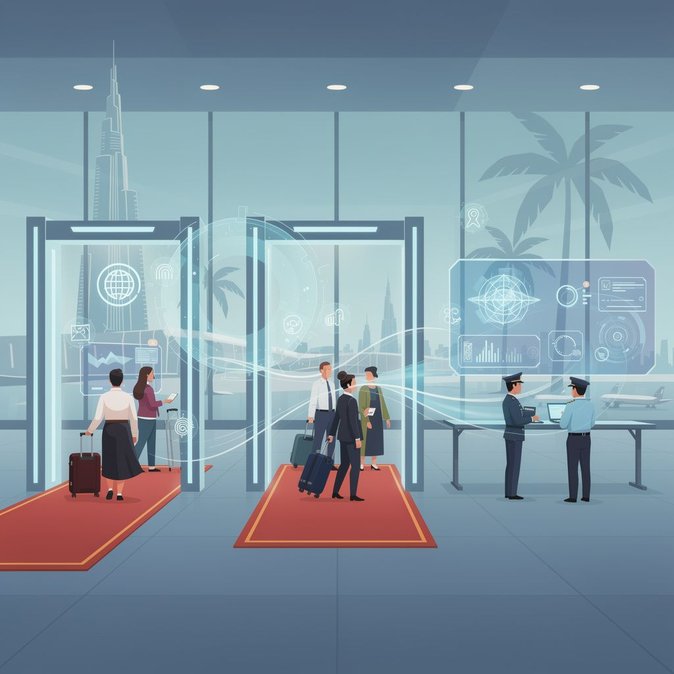
The Red Carpet corridor represents the sharp end of years of investment in artificial-intelligence, biometric recognition and zero-touch document validation.
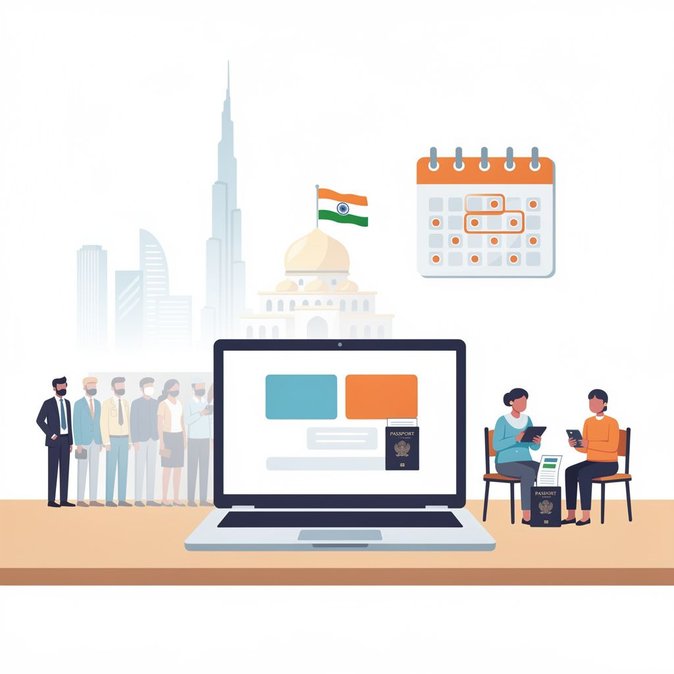
Travellers eager to take advantage of these seamless arrivals should remember that proper entry documentation is still essential. VisaHQ helps visitors secure the right UAE visa quickly, monitor application status, and confirm eligibility for electronic travel authorisations—paving the way for straightforward Smart Gate enrolment and an even faster Red Carpet experience.
Eligible travellers simply keep walking; high-resolution facial and iris scanners match live data with pre-registered government records, and the system silently completes passport control. GDRFA says the lane can handle ten passengers simultaneously, slashing the average border-processing time by 60 per cent compared with the manual desks it is steadily replacing.
Behind the slick front-end sits a federated database that merges Emirates ID, visa and flight data so that risk-profiling can be completed before the traveller even steps off the aircraft.
Officers are redeployed to higher-value intelligence tasks, while airlines benefit from quicker gate turns and a reduction in misconnections.
For business-travel managers the practical upside is tangible: executives with biometric profiles can move from aircraft door to kerbside in under ten minutes on a typical day, helping firms avoid the hidden cost of missed meetings and extended layovers.
Yet the technology is only part of Dubai’s play. Officials stress that the project is anchored in the city’s broader D33 economic agenda, which aims to reinforce Dubai’s standing as a hub for headquarters functions, global events and high-value logistics. Streamlined borders are central to that goal.
Lieutenant-General Mohammed Ahmed Al Marri, Director-General of GDRFA, framed the latest figures as “an investment in quality of life” that also “raises the competitive edge of the UAE on the world stage.”
For multinationals the message is clear: register staff for Smart Gates early, ensure eligibility for the Red Carpet product where volumes warrant, and revisit arrival-and-meeting scheduling assumptions. With the UAE forecasting double-digit growth in inbound traffic this winter—and with the region’s largest sporting tournament overlapping the corporate travel calendar—companies that optimise for Dubai’s next-generation border controls stand to reclaim precious hours and de-risk tight itineraries.
Of those, more than 9 million relied on the familiar Smart Gates, while 439,321 passengers chose the premium ‘Travel Without Borders – Red Carpet’ lane, where immigration clearance now averages a record-breaking 3.4 seconds.
The Red Carpet corridor represents the sharp end of years of investment in artificial-intelligence, biometric recognition and zero-touch document validation.
Travellers eager to take advantage of these seamless arrivals should remember that proper entry documentation is still essential. VisaHQ helps visitors secure the right UAE visa quickly, monitor application status, and confirm eligibility for electronic travel authorisations—paving the way for straightforward Smart Gate enrolment and an even faster Red Carpet experience.
Eligible travellers simply keep walking; high-resolution facial and iris scanners match live data with pre-registered government records, and the system silently completes passport control. GDRFA says the lane can handle ten passengers simultaneously, slashing the average border-processing time by 60 per cent compared with the manual desks it is steadily replacing.
Behind the slick front-end sits a federated database that merges Emirates ID, visa and flight data so that risk-profiling can be completed before the traveller even steps off the aircraft.
Officers are redeployed to higher-value intelligence tasks, while airlines benefit from quicker gate turns and a reduction in misconnections.
For business-travel managers the practical upside is tangible: executives with biometric profiles can move from aircraft door to kerbside in under ten minutes on a typical day, helping firms avoid the hidden cost of missed meetings and extended layovers.
Yet the technology is only part of Dubai’s play. Officials stress that the project is anchored in the city’s broader D33 economic agenda, which aims to reinforce Dubai’s standing as a hub for headquarters functions, global events and high-value logistics. Streamlined borders are central to that goal.
Lieutenant-General Mohammed Ahmed Al Marri, Director-General of GDRFA, framed the latest figures as “an investment in quality of life” that also “raises the competitive edge of the UAE on the world stage.”
For multinationals the message is clear: register staff for Smart Gates early, ensure eligibility for the Red Carpet product where volumes warrant, and revisit arrival-and-meeting scheduling assumptions. With the UAE forecasting double-digit growth in inbound traffic this winter—and with the region’s largest sporting tournament overlapping the corporate travel calendar—companies that optimise for Dubai’s next-generation border controls stand to reclaim precious hours and de-risk tight itineraries.