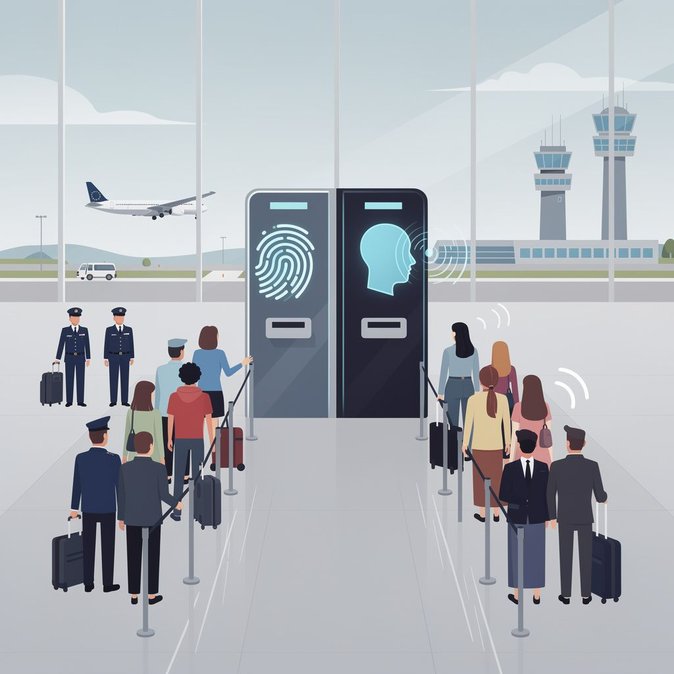
Belgium-based policy platform 2EU reported on 6 July that the European Commission has circulated a draft contingency plan allowing airports to request rapid-response border teams from Frontex and to suspend fingerprint capture when the new Entry/Exit System (EES) creates excessive queues. Brussels Airport, singled out in the document as a “capacity-constrained hub,” would be among the first to benefit.
![Frontex surge teams and biometric waivers proposed for Schengen airports facing EES bottlenecks]()
For travelers and corporate mobility teams worried about how these new border measures might affect upcoming trips, VisaHQ’s Belgium portal provides up-to-date guidance on visa requirements, digital entry registrations and the evolving EES rules, helping passengers prepare paperwork in advance so they can move through any airport—Brussels included—with fewer surprises.
The draft sets two triggers: (1) predicted wait times above 45 minutes for more than two consecutive hours, and (2) evidence that existing infrastructure cannot be re-configured quickly. Once activated, Frontex would fly in up to 60 officers within 72 hours, with costs covered by the EU Internal Security Fund. The measure mirrors mechanisms already used at some Mediterranean external borders but would be unprecedented inside the core of Western Europe. Airlines welcomed the idea. Brussels Airlines estimates that every additional five minutes of border processing adds €8,000 per day in aircraft and crew costs during the summer peak. Corporate travel managers also see upside: faster throughput reduces the risk of missed connections for assignees transiting between Africa and North America via Brussels. However, privacy advocates have raised concerns over data-protection oversight when multiple agencies temporarily handle passenger information. The Commission insists that guest officers will use the same secure workstations and audit trails as national staff. The proposal is expected to be fast-tracked at the Justice and Home Affairs Council on 15 July.
For travelers and corporate mobility teams worried about how these new border measures might affect upcoming trips, VisaHQ’s Belgium portal provides up-to-date guidance on visa requirements, digital entry registrations and the evolving EES rules, helping passengers prepare paperwork in advance so they can move through any airport—Brussels included—with fewer surprises.
The draft sets two triggers: (1) predicted wait times above 45 minutes for more than two consecutive hours, and (2) evidence that existing infrastructure cannot be re-configured quickly. Once activated, Frontex would fly in up to 60 officers within 72 hours, with costs covered by the EU Internal Security Fund. The measure mirrors mechanisms already used at some Mediterranean external borders but would be unprecedented inside the core of Western Europe. Airlines welcomed the idea. Brussels Airlines estimates that every additional five minutes of border processing adds €8,000 per day in aircraft and crew costs during the summer peak. Corporate travel managers also see upside: faster throughput reduces the risk of missed connections for assignees transiting between Africa and North America via Brussels. However, privacy advocates have raised concerns over data-protection oversight when multiple agencies temporarily handle passenger information. The Commission insists that guest officers will use the same secure workstations and audit trails as national staff. The proposal is expected to be fast-tracked at the Justice and Home Affairs Council on 15 July.
More From Belgium
View all
EU lets Member States keep partial suspension of EES biometrics through summer, easing pressure at Brussels Airport
EU allows partial suspension of biometric capture under Entry/Exit System until end of summer