In a 6 July briefing note to Brazil’s Chamber of Deputies, the Ministry of Foreign Affairs (Itamaraty) sounded an alarm over Washington’s recent decision to classify the criminal gangs Primeiro Comando da Capital (PCC) and Comando Vermelho (CV) as foreign terrorist organisations. Officials argue the unilateral designation opens the door to extraterritorial actions “in the financial, migratory and penal spheres” against Brazilian nationals—even those with tenuous links.
At this juncture, individual travellers and corporate mobility teams may find value in using specialist services such as VisaHQ. The firm’s Brazil desk can run advance checks against current U.S. watch-lists, assemble supporting paperwork, and monitor consular queues, helping applicants avoid unexpected delays triggered by the new FTO designations.
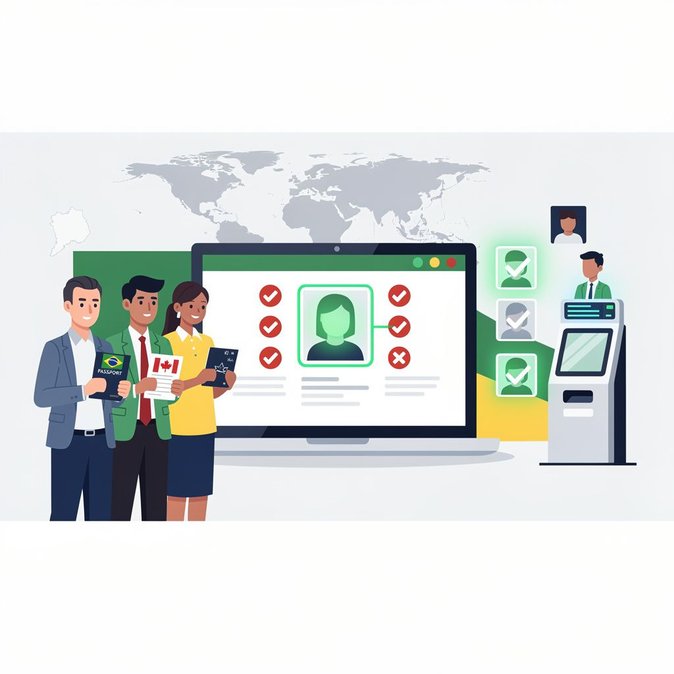
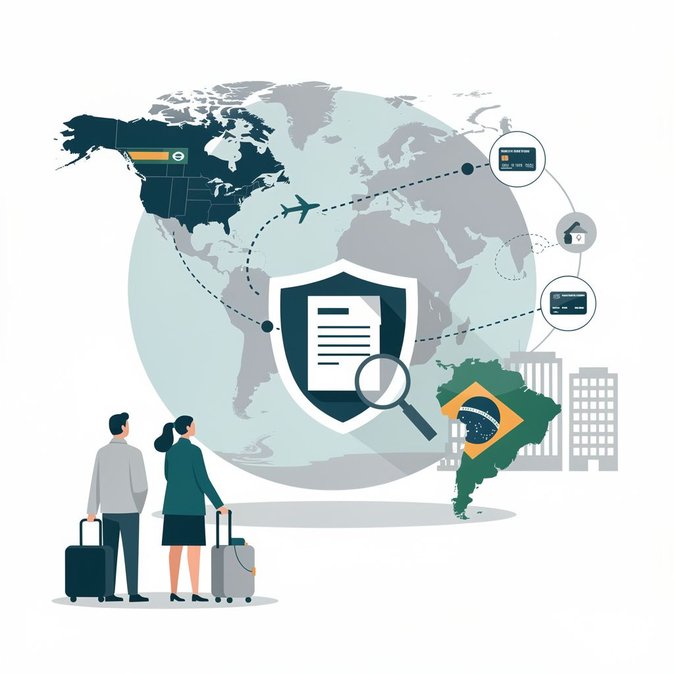
Practically, the step could see the U.S. freeze assets, deny visas, or block ESTA approvals for Brazilians flagged in Treasury databases, Itamaraty said. The ministry also raised the spectre—deemed low-probability but high-impact—of targeted military action under the U.S. 2001 Authorisation for Use of Military Force if American lives are deemed threatened. For global mobility managers the immediate concern is visa issuance and secondary screening. Brazilian assignees posted to U.S. projects who share surnames with PCC or CV members may face additional vetting or 221(g) administrative processing. HR teams should review employee data against OFAC’s SDN list and pre-emptively prepare evidence of legitimate travel purposes. Banks with Brazilian expatriate clients are likewise bracing for enhanced due-diligence requests from correspondent U.S. institutions, potentially delaying salary remittances. Legal advisers suggest updating sanctions-compliance clauses in relocation and vendor contracts to avoid inadvertent breaches. Diplomatically, Brasilia is lobbying for clearer criteria, warning that the move could strain bilateral cooperation on organised crime and jeopardise planned business-travel facilitation ahead of the 2028 Los Angeles Olympics, where Brazil will field one of the largest delegations.
At this juncture, individual travellers and corporate mobility teams may find value in using specialist services such as VisaHQ. The firm’s Brazil desk can run advance checks against current U.S. watch-lists, assemble supporting paperwork, and monitor consular queues, helping applicants avoid unexpected delays triggered by the new FTO designations.
Practically, the step could see the U.S. freeze assets, deny visas, or block ESTA approvals for Brazilians flagged in Treasury databases, Itamaraty said. The ministry also raised the spectre—deemed low-probability but high-impact—of targeted military action under the U.S. 2001 Authorisation for Use of Military Force if American lives are deemed threatened. For global mobility managers the immediate concern is visa issuance and secondary screening. Brazilian assignees posted to U.S. projects who share surnames with PCC or CV members may face additional vetting or 221(g) administrative processing. HR teams should review employee data against OFAC’s SDN list and pre-emptively prepare evidence of legitimate travel purposes. Banks with Brazilian expatriate clients are likewise bracing for enhanced due-diligence requests from correspondent U.S. institutions, potentially delaying salary remittances. Legal advisers suggest updating sanctions-compliance clauses in relocation and vendor contracts to avoid inadvertent breaches. Diplomatically, Brasilia is lobbying for clearer criteria, warning that the move could strain bilateral cooperation on organised crime and jeopardise planned business-travel facilitation ahead of the 2028 Los Angeles Olympics, where Brazil will field one of the largest delegations.