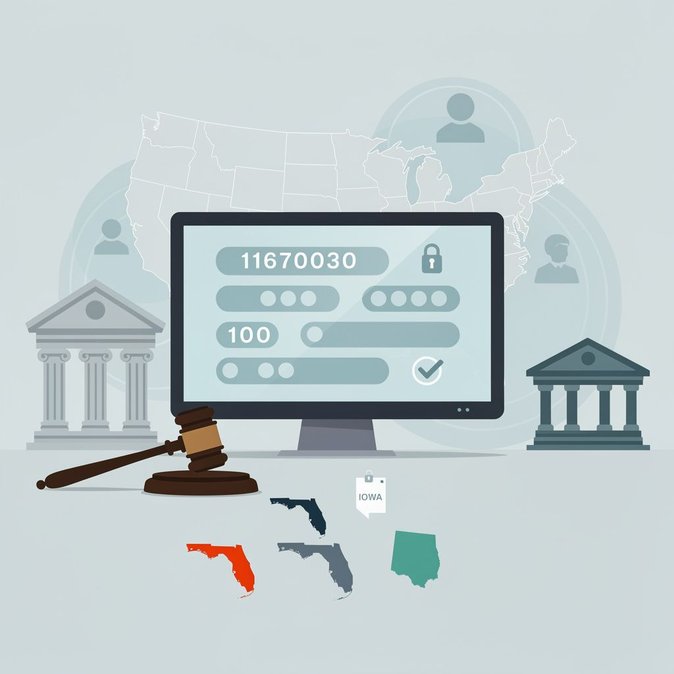
In a decision that could have far-reaching implications for voter-roll maintenance and professional-license vetting, U.S. District Judge T. Kent Wetherell II (N.D. Fla.) has ordered the Department of Homeland Security to switch back on the Social Security-number search and bulk-upload features of the Systematic Alien Verification for Entitlements (SAVE) database. Florida, Ohio, Iowa and Indiana sued DHS after the agency disabled the tools on 24 June, following a conflicting ruling by a federal judge in Washington, D.C.
For employers, licensing boards, and traveling professionals trying to keep pace with shifting immigration-status rules, services like VisaHQ can be invaluable. The company’s platform offers step-by-step visa and document support for the United States and other jurisdictions, helping applicants assemble the correct evidence quickly and securely—see for details.
The four Republican-led states argued that without bulk uploads and SSN searches they could not comply with laws requiring them to confirm the immigration status of registered voters and certain license applicants. Judge Wetherell agreed, calling DHS’s decision to shut off the functions a breach of a 2025 court-approved settlement that treated the upgrades as a consent decree. He dismissed DHS’s jurisdictional arguments as “frivolous” and said the states’ sovereign interest in election integrity outweighed the agency’s procedural bind. DHS now finds itself caught between dueling injunctions: Judge Wetherell’s order to restore the features and Judge Sparkle Sooknanan’s earlier ruling vacating them on privacy grounds. The Florida court gave DHS seven days to demonstrate compliance and urged the parties to inform appellate courts quickly, signaling that the Eleventh and D.C. Circuits may soon have to resolve the clash. Practically, the ruling means election officials in the four plaintiff states can again verify thousands of names at once—just months before the 2026 mid-term primaries. Licensing boards that paused screenings for nurses, engineers and other regulated professions can also resume automated checks, avoiding manual backlogs. For mobility teams, the decision underscores the political volatility surrounding immigration-status databases. Companies that rely on state licensing—for example, healthcare staffing or engineering consultancies—should monitor possible outages and be prepared to provide alternate evidence of work authorization if SAVE access is disrupted again.
For employers, licensing boards, and traveling professionals trying to keep pace with shifting immigration-status rules, services like VisaHQ can be invaluable. The company’s platform offers step-by-step visa and document support for the United States and other jurisdictions, helping applicants assemble the correct evidence quickly and securely—see for details.
The four Republican-led states argued that without bulk uploads and SSN searches they could not comply with laws requiring them to confirm the immigration status of registered voters and certain license applicants. Judge Wetherell agreed, calling DHS’s decision to shut off the functions a breach of a 2025 court-approved settlement that treated the upgrades as a consent decree. He dismissed DHS’s jurisdictional arguments as “frivolous” and said the states’ sovereign interest in election integrity outweighed the agency’s procedural bind. DHS now finds itself caught between dueling injunctions: Judge Wetherell’s order to restore the features and Judge Sparkle Sooknanan’s earlier ruling vacating them on privacy grounds. The Florida court gave DHS seven days to demonstrate compliance and urged the parties to inform appellate courts quickly, signaling that the Eleventh and D.C. Circuits may soon have to resolve the clash. Practically, the ruling means election officials in the four plaintiff states can again verify thousands of names at once—just months before the 2026 mid-term primaries. Licensing boards that paused screenings for nurses, engineers and other regulated professions can also resume automated checks, avoiding manual backlogs. For mobility teams, the decision underscores the political volatility surrounding immigration-status databases. Companies that rely on state licensing—for example, healthcare staffing or engineering consultancies—should monitor possible outages and be prepared to provide alternate evidence of work authorization if SAVE access is disrupted again.