Rail Strikes Hit Key Inter-City Links as TSSA Walkout Begins – Travel Disruption Likely Through Weekend
Italian Postal Strike and Customs Fee Slowdowns Trigger Parcelforce Warnings for UK Exporters
Israel State of Emergency Extended – Parcelforce Restores Service but Warns of Delays
Latest News
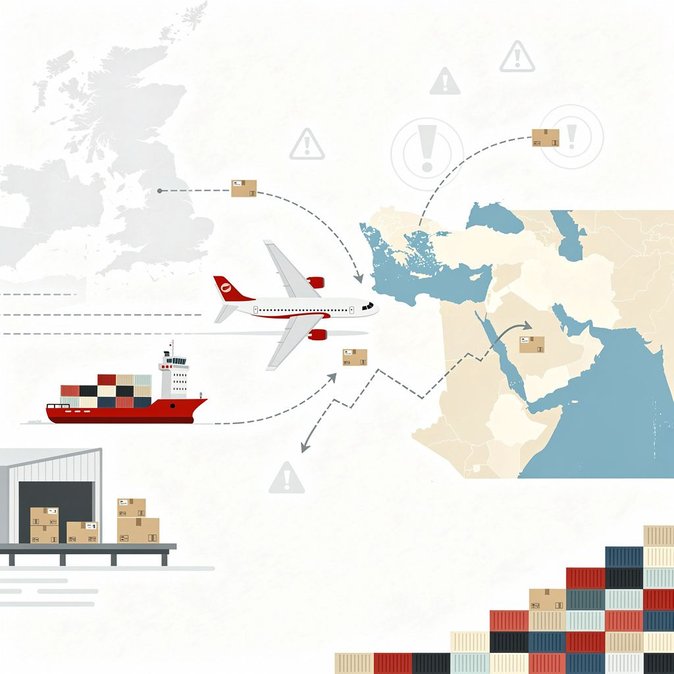
Middle East Conflict Sparks Parcelforce ‘Highly Fluid’ Warning for Gulf Destinations
Parcelforce warns that escalating Gulf tensions are likely to delay exports to multiple Middle-East destinations, with routings liable to change without notice. Firms relocating staff or equipment should plan for longer lead-times and rising freight costs.
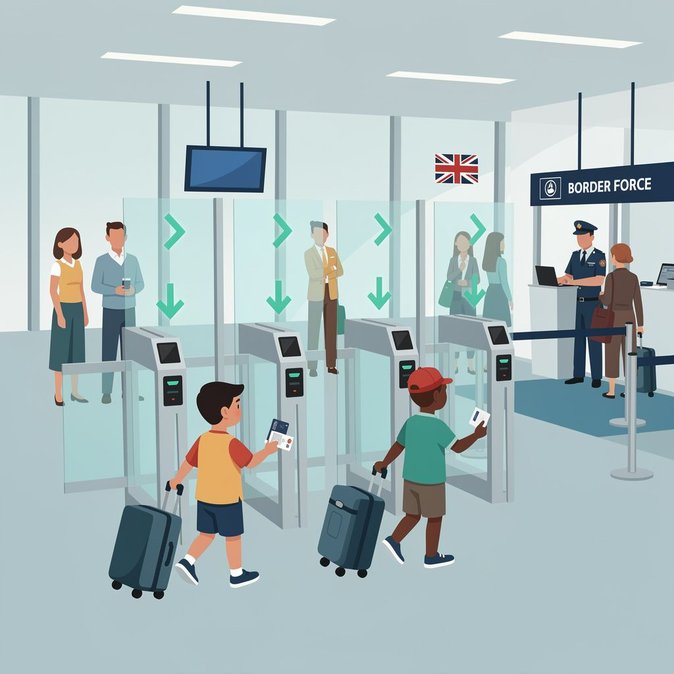
UK lowers eGate age to 8, promising faster family arrivals this summer
Children aged 8 and 9 can now use the UK’s passport eGates, reducing queue times for an estimated 1.5 million young travellers a year and freeing Border Force staff for higher-risk work. The change supports the government’s wider digital-border programme and will be significant for airlines, airports and corporate mobility teams planning summer travel.

UK lowers eGate age to 8, promising faster family arrivals at ports and airports
From 8 July 2026 children aged 8–9 (over 120 cm) can use the UK’s eGates, adding 1.5 million potential users and easing holiday congestion. Faster automated processing should cut family queue times and reduce the risk of delays that can ripple into business-travel schedules. Companies should update travel advice, noting that EU Entry/Exit rules still apply on the continent.
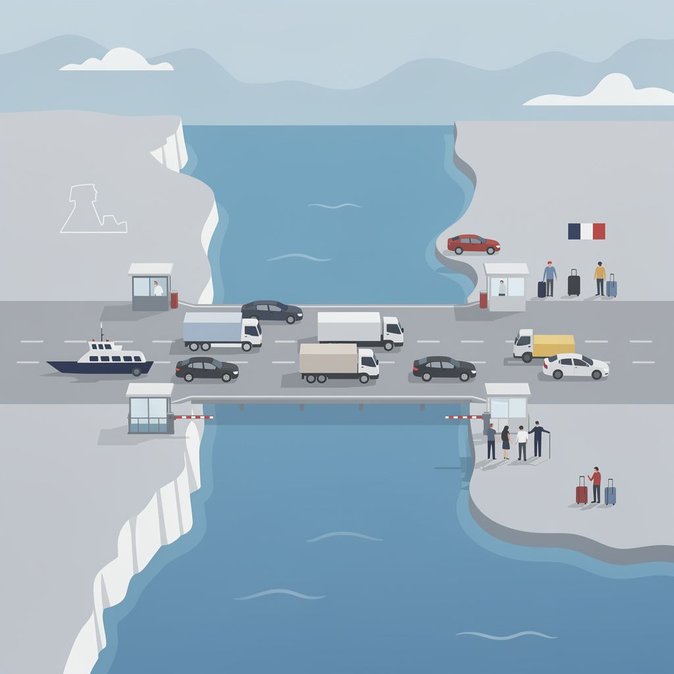
French parliamentary report lambasts 40 years of secretive UK-France border deals
A hard-hitting French National Assembly report says 34 UK-France border agreements were struck with scant scrutiny and have worsened conditions around Calais. Its call to rethink juxtaposed passport controls could disrupt freight and passenger flows, creating fresh uncertainty for companies moving people and goods across the Channel.
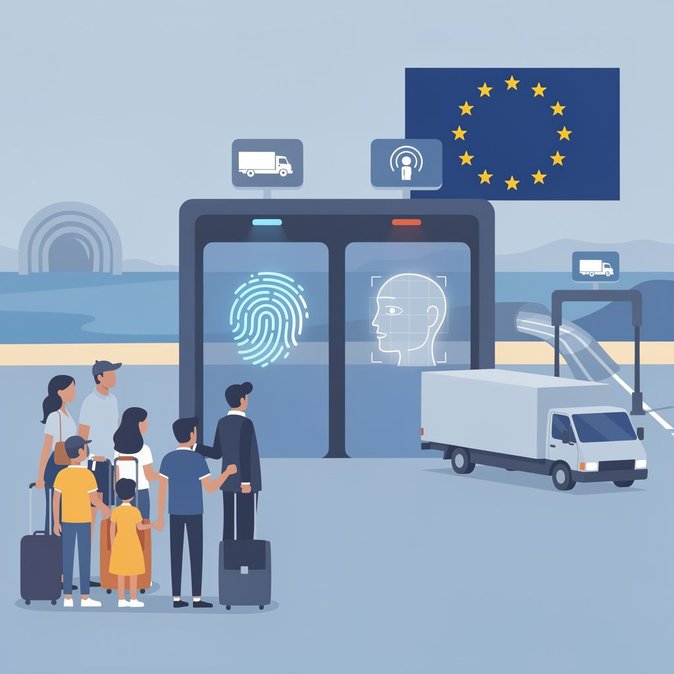
Brussels rules out pausing new biometric border checks despite airline pleas
The European Commission has rebuffed industry calls to suspend the new biometric Entry/Exit System, insisting security benefits outweigh disruption. UK citizens and freight operators must therefore prepare for continued fingerprint and facial checks at EU borders during the peak-summer period.
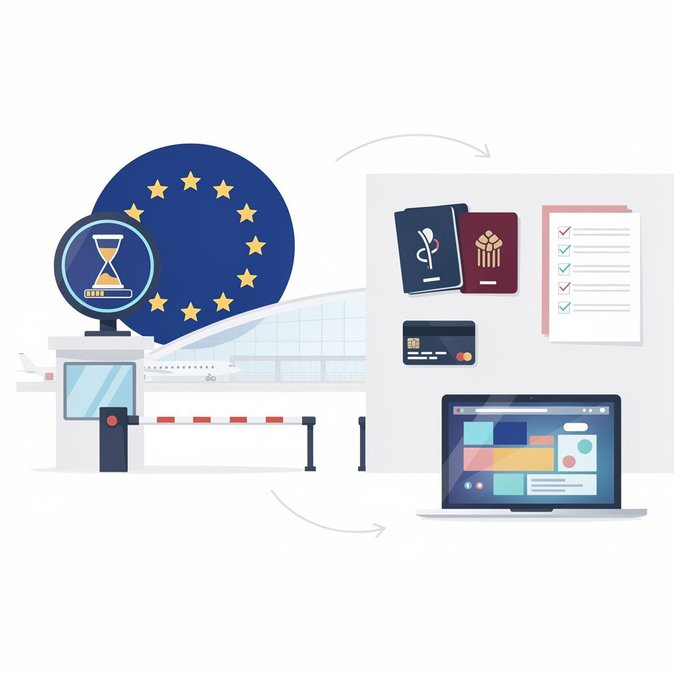
Introduction of ETIAS ‘visa-waiver’ for Brits pushed back again amid EES teething troubles
The EU’s ETIAS pre-travel authorisation for visa-free nationals—including UK citizens—has been postponed once more, with launch now tipped for 2027 as officials grapple with technical links to the biometric border system. Businesses gain breathing space but are urged to prepare passport-renewal and payment processes well in advance.
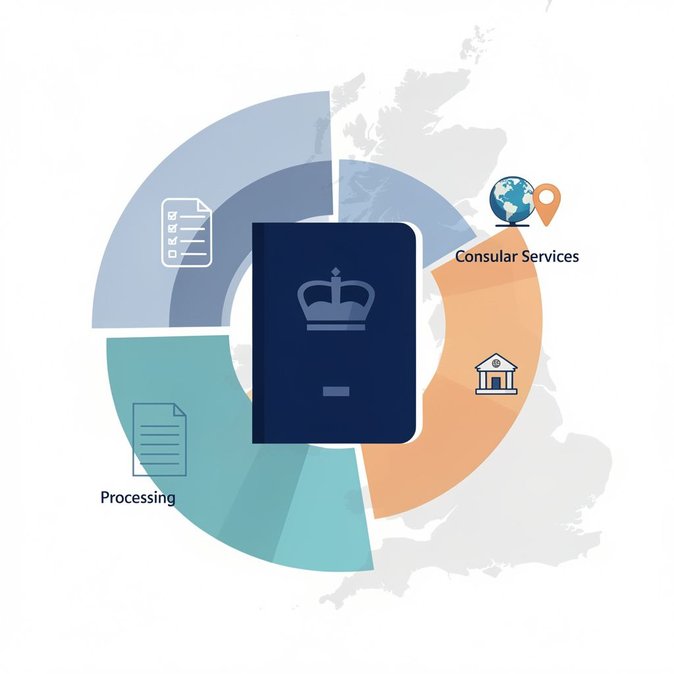
Passport cost breakdown published as Home Office faces scrutiny over fee hikes
A new transparency release itemises where each pound of the £88.50 UK passport fee goes, revealing nearly half funds direct processing and almost a fifth supports consular services. The timing is significant as MPs debate fresh powers to raise fees, and firms financing employee relocations will welcome the clearer cost picture.

Home Office quietly revises published visa-processing SLAs as digital rollout accelerates
UKVI’s service-level table now pledges faster decisions for Skilled Worker and Global Talent visas (7 and 4 weeks respectively) and highlights the full switch to digital eVisas. The tweak offers scope for swifter talent deployment but requires HR teams to maintain accurate passport-to-eVisa links.
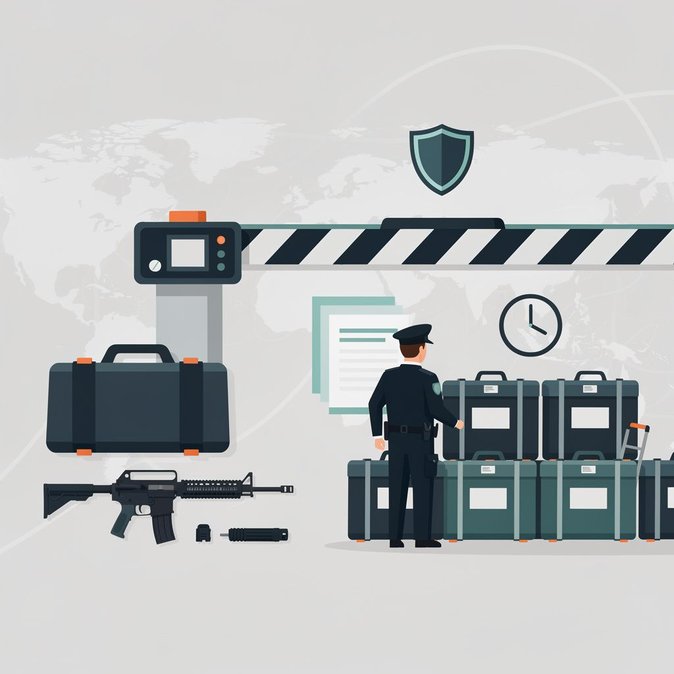
Border Force updates firearms-import rules ahead of peak travel season
Border Force has tightened its rules on importing firearms and components, requiring advance police permits for items such as suppressors and warning of heavier penalties for non-compliance. Companies moving demonstration weapons or sporting equipment must build in longer lead times and ensure carnet documentation is fully detailed.

New UK anti-state-threat law expands powers to refuse visas and deport foreign agents
A wide-ranging National Security Act now in force lets the UK block or cancel visas for individuals suspected of acting on behalf of hostile states. Employers in sensitive sectors will need to strengthen due-diligence checks on incoming staff, while travellers from certain countries may face longer processing times.