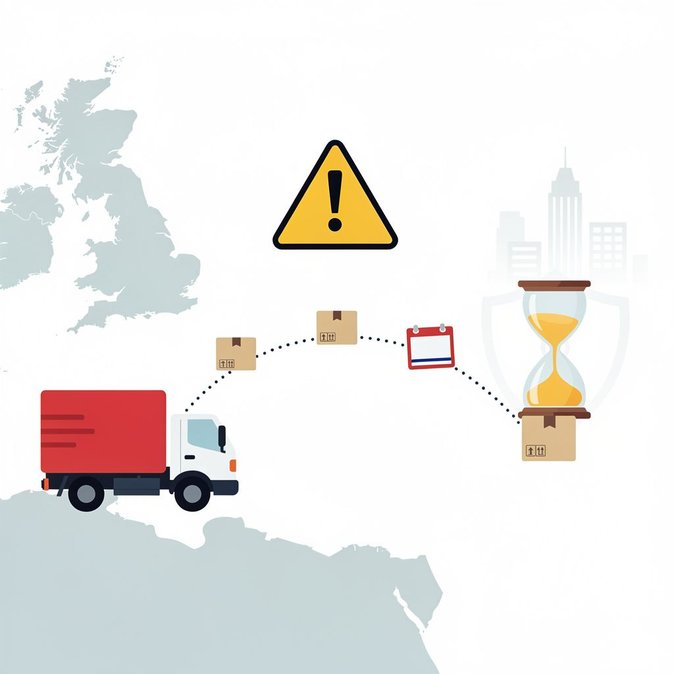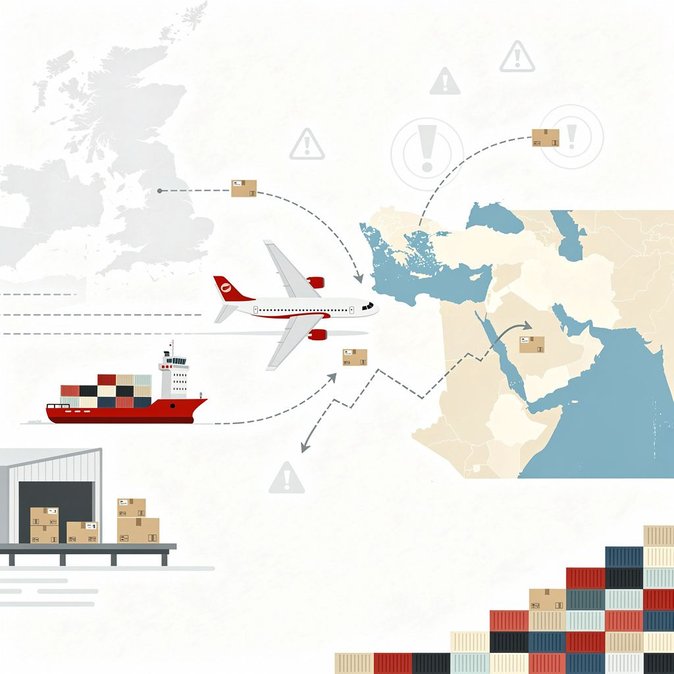
Parcelforce’s latest international advisory, posted 10 July, flags “severe delays” to exports transiting the Middle East following fresh hostilities between Iran and US forces in the Gulf. The carrier lists Israel, Iraq, Qatar, UAE, Kuwait, Bahrain, Jordan, Saudi Arabia and Oman as potentially impacted, adding that routings may change at short notice. For UK companies moving project teams to Dubai or Doha the warning raises immediate concerns over spare-parts logistics and document despatches needed for work-permit processing. Mobility professionals should liaise with freight forwarders to secure alternative routings via Europe or the Indian Ocean and build in longer lead-times when scheduling medicals and attestation packs. Although commercial flights continue, elevated insurance premiums and war-risk surcharges are already appearing in airline and cargo quotes. HR departments may face cost escalation when reimbursing airfares or excess-baggage fees for relocating staff. Given the unpredictable security environment, companies are advised to activate crisis-response protocols, double-check employee whereabouts and ensure that emergency contacts logged in Global Mobility databases are current.