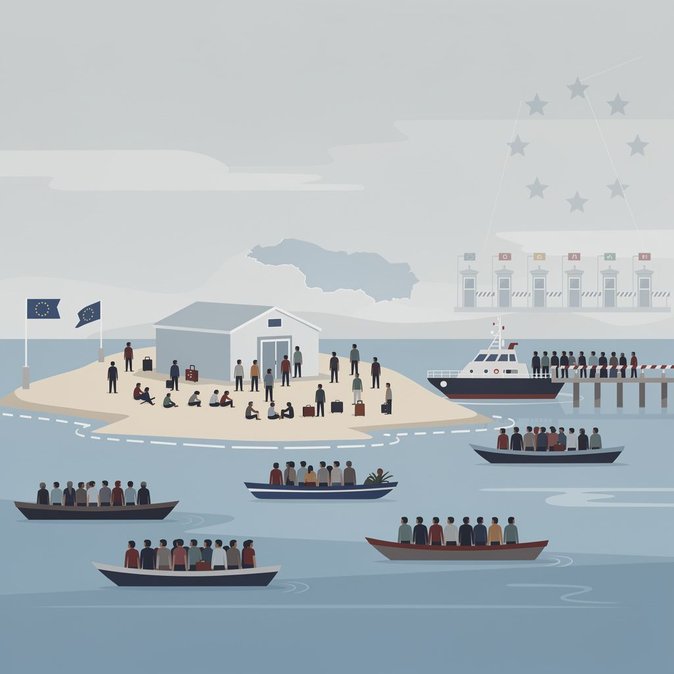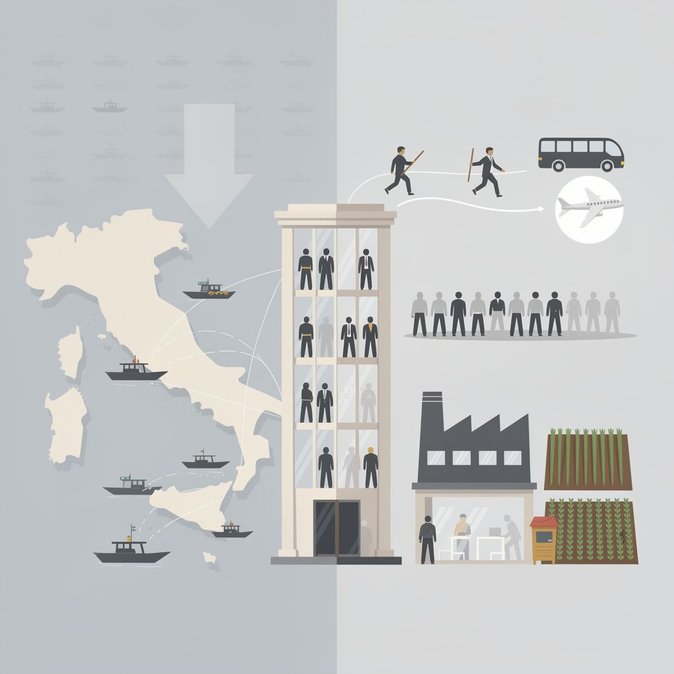
Late on 10 July, political daily “Corriere della Sera” revealed internal figures discussed at Palazzo Chigi showing a sharp fall in irregular sea arrivals: 12,000 in the first half of 2026 versus 26,000 a year earlier. Prime Minister Giorgia Meloni and Interior Minister Matteo Piantedosi told ministers they aim to cap 2026 landings at 30,000 and carry out 10,000 repatriations, leveraging accords with Libya and Tunisia and new EU return rules approved in June. Officials credit tougher penalties for smugglers, expanded detention capacity under Decree 100/2026, and external-processing hubs in Albania for the decline. Critics counter that numbers are volatile—as illustrated by the latest Lampedusa surge—and warn that focusing on deterrence may sideline integration planning. For employers, lower irregular inflows heighten reliance on legal pathways such as the Flussi quotas, intra-company transfers and the new Digital-Nomad visa. If the government meets its return target, demand for foreign seasonal labour in agriculture and hospitality could outstrip supply, pressuring the 2026-28 quota allocation now under parliamentary review. Meloni has ordered a communications offensive to “replace fear with facts,” anticipating that migration will dominate the 2027 election cycle. Mobility stakeholders should watch for accelerated timelines on the next quota decree and possible tightening of citizenship revocation provisions currently in committee.
Source: Corriere della Sera