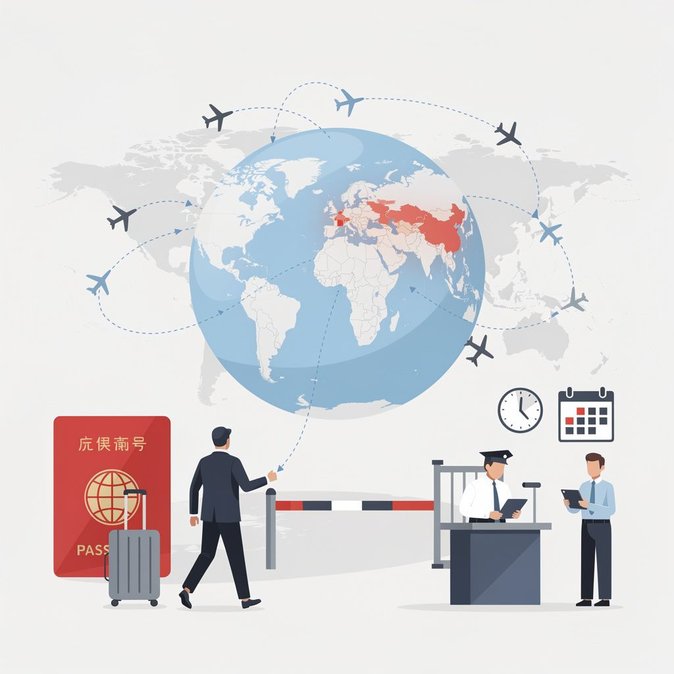
Speaking at a Beijing press briefing on 12 July, NIA spokesperson Lin Yongsheng said the expansion of unilateral visa-free access to 50 countries and the widening of transit-waiver ports have “transformed China into a must-visit destination” for regional tourists.
For travellers, tour operators and HR teams trying to keep pace with these fast-moving policy shifts, VisaHQ’s online portal offers real-time visa-waiver updates, personalised eligibility checks and end-to-end document processing for China and more than 200 other destinations—helping businesses and leisure visitors avoid costly entry mistakes while streamlining trip planning.
Foreign arrivals hit 45.9 million in the first six months, with visa-free travellers accounting for nearly four-fifths of the total. South Korea, Russia and Malaysia were the top three source markets, though visits from Australia and Singapore also grew double-digits after reciprocal waiver deals. Social-media searches for “China Travel” on TikTok and Instagram more than doubled in Q2, according to marketing-analytics firm DragonTrail, indicating rising leisure interest alongside business missions. The easier entry regime is also enhancing the “passport power” of Chinese citizens. Since January, Türkiye, Brazil, Sudan and Cambodia have joined 27 other countries in granting visa-free or visa-on-arrival access for Chinese ordinary-passport holders. Travel-booking platform Trip.com reports a 38 % year-on-year jump in outbound bookings for Brazil’s Rio Carnival 2027, evidence that removal of paperwork stimulates long-haul demand. For employers, the trend reduces lead-times for bringing in short-term experts while simultaneously making personal travel more attractive for staff on China assignments — a useful retention lever. Yet compliance teams should note that authorities deported 11,900 foreigners for illegal work or overstay in H1 2026, signalling that enforcement is tightening in parallel with liberalisation.
For travellers, tour operators and HR teams trying to keep pace with these fast-moving policy shifts, VisaHQ’s online portal offers real-time visa-waiver updates, personalised eligibility checks and end-to-end document processing for China and more than 200 other destinations—helping businesses and leisure visitors avoid costly entry mistakes while streamlining trip planning.
Foreign arrivals hit 45.9 million in the first six months, with visa-free travellers accounting for nearly four-fifths of the total. South Korea, Russia and Malaysia were the top three source markets, though visits from Australia and Singapore also grew double-digits after reciprocal waiver deals. Social-media searches for “China Travel” on TikTok and Instagram more than doubled in Q2, according to marketing-analytics firm DragonTrail, indicating rising leisure interest alongside business missions. The easier entry regime is also enhancing the “passport power” of Chinese citizens. Since January, Türkiye, Brazil, Sudan and Cambodia have joined 27 other countries in granting visa-free or visa-on-arrival access for Chinese ordinary-passport holders. Travel-booking platform Trip.com reports a 38 % year-on-year jump in outbound bookings for Brazil’s Rio Carnival 2027, evidence that removal of paperwork stimulates long-haul demand. For employers, the trend reduces lead-times for bringing in short-term experts while simultaneously making personal travel more attractive for staff on China assignments — a useful retention lever. Yet compliance teams should note that authorities deported 11,900 foreigners for illegal work or overstay in H1 2026, signalling that enforcement is tightening in parallel with liberalisation.