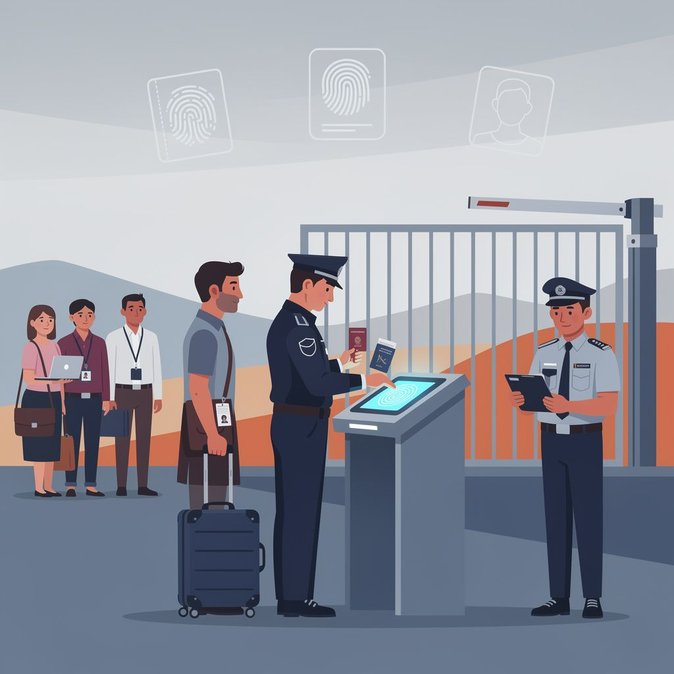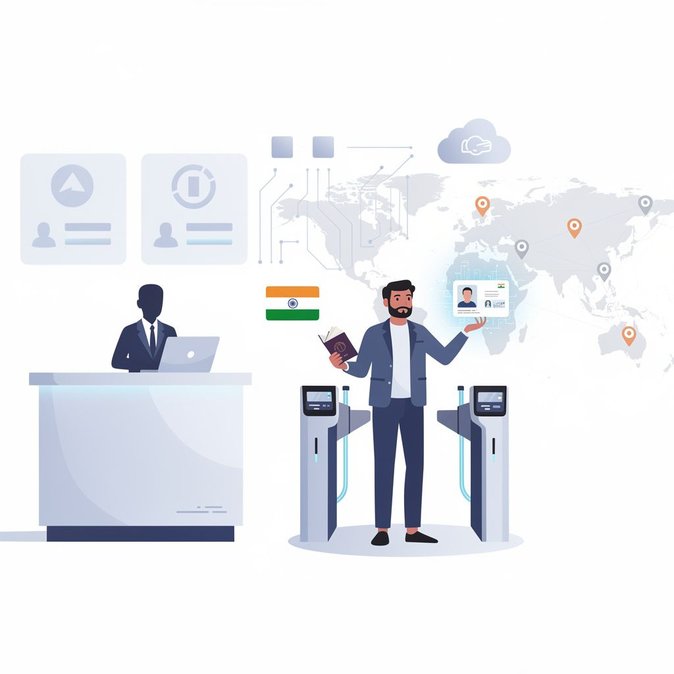
The Ministry of Home Affairs has flipped the switch on a major modernization of Overseas Citizen of India (OCI) documentation. From 30 June 2026—barely a fortnight ago—all newly-approved OCI holders receive only a secure, QR-coded electronic card that can be carried on a phone or tablet and scanned at any of India’s 108 Immigration Check-Posts. A Financial Express explainer published late yesterday (13 July) confirms that existing OCI holders can now log in to the OCI Services Portal, generate their e-OCI in five clicks and download it up to five times a day—free of charge. The digital credential is automatically cross-checked against the Immigration, Visa & Foreigners Registration and Tracking (IVFRT) system, eliminating the need to re-issue the traditional booklet every time a passport is renewed or a name is changed. Behind the sleek user interface is a redesigned backend that stores biometric and biographic data in an encrypted government cloud. Airport officials in Delhi and Bengaluru told FE the new cards shaved at least 20 seconds off each arrival inspection during pilot trials—enough to clear an extra wide-body aircraft per hour at peak. Airlines have already been briefed to accept the e-OCI in lieu of a physical booklet; the Bureau of Immigration says all carriers will receive updated Timatic guidance this week. For businesses the benefits are immediate. Companies that rotate senior executives in and out of India no longer need to track booklet expiry dates or courier documents internationally for visa endorsement. Global mobility managers can store the QR file alongside digital boarding passes and push updates to travellers’ phones. Immigration lawyers note that the e-OCI also resolves a perennial headache for families: minor children can now travel on a parent’s device without risking damage or loss of a paper booklet. Practical advice for employers: 1) ask returning staff to download the e-OCI before departure to avoid airport Wi-Fi delays; 2) remind travellers that the QR code is tied to their latest passport, so they must update particulars online after any renewal; and 3) verify that travel–insurance policies reference the new e-document to prevent claims disputes. Expect further automation: the Home Ministry is already testing self-service e-gates that will match the QR code to facial biometrics for fully touch-less entry by March 2027.
Source: The Financial Express