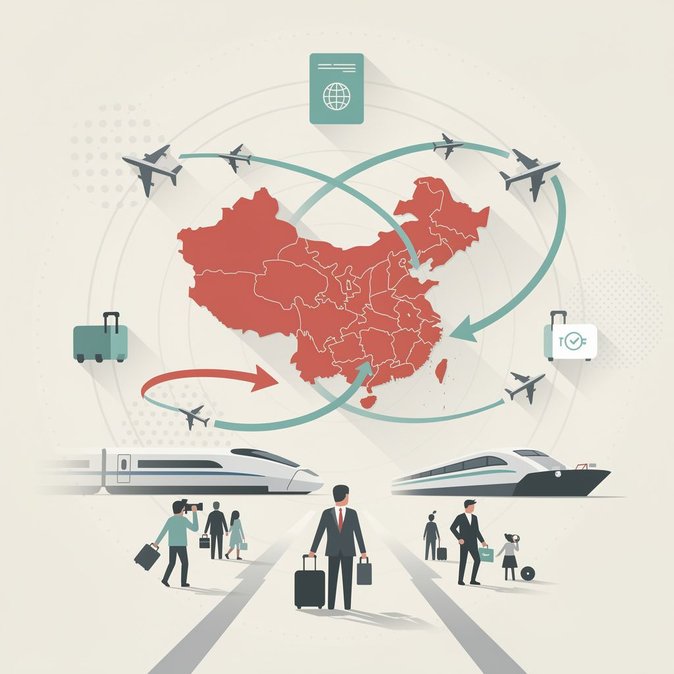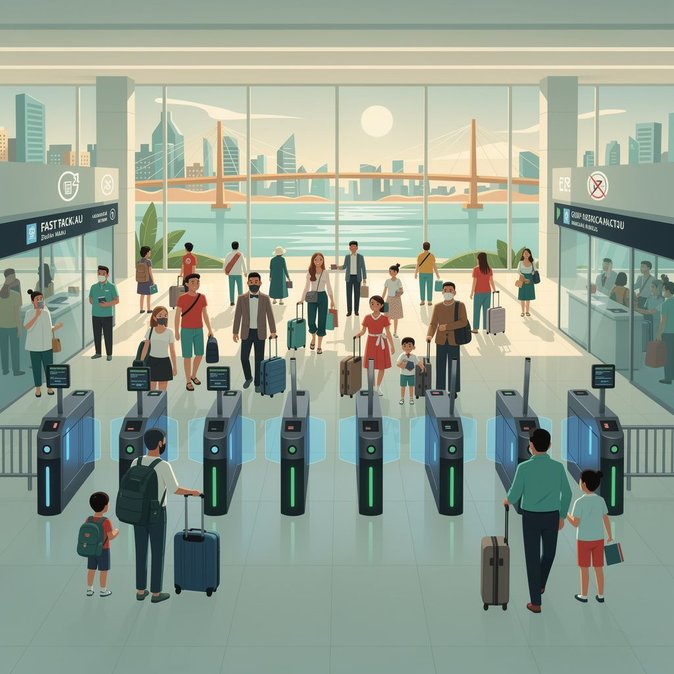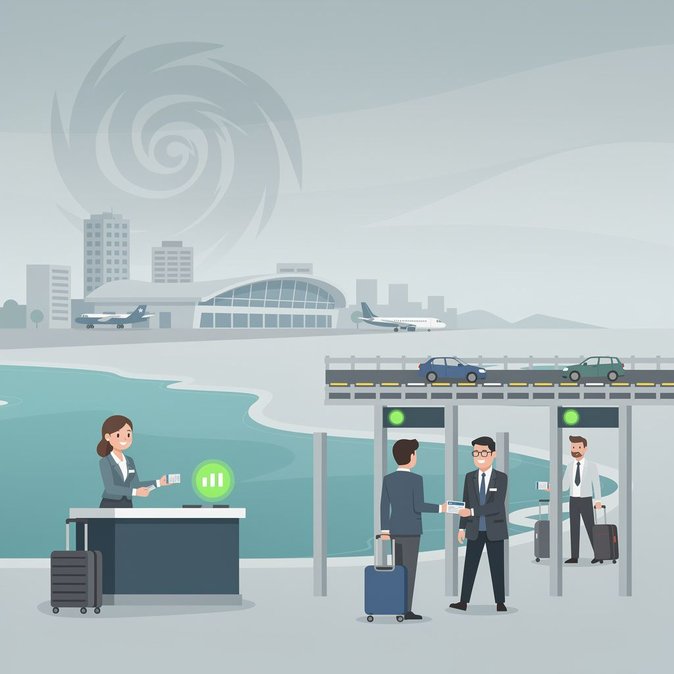
As Typhoon Bavi continues to weaken, Chinese authorities on 15 July deployed emergency funds and logistical teams to restore transport links in hard-hit provinces. The State Flood Control and Drought Relief Headquarters upgraded emergency responses in Jilin and Liaoning while lowering alerts elsewhere, freeing airports and seaports to resume operations. According to the Ministry of Transport, highway restrictions across Jiangsu and Zhejiang were lifted overnight, and China Eastern gradually reinstated flights from Shanghai Hongqiao and Wenzhou. Railway operators restarted intercity high-speed services on the Nanjing–Hangzhou and Ningbo–Taizhou lines, critical for moving relief supplies and business travellers. The National Immigration Administration confirmed that automated e-gates at Shanghai Pudong and Hangzhou airports—temporarily closed during peak storm hours—are functioning again. Foreign passengers eligible for 30-day visa-free entry can once more use the biometric fast lanes; overstays caused by weather-related cancellations will be excused provided travellers depart within 24 hours of the next available flight. For mobility managers, the key operational guidance is that carriers are waiving change fees until 18 July for itineraries involving the Yangtze River Delta. Companies should audit upcoming assignee travel and re-book on restored services, ensuring that new flight details are re-uploaded into China’s mandatory 144-hour health declaration mini-programme before departure. While infrastructure is largely back online, meteorologists warn of residual heavy rain in northern provinces that could trigger secondary delays. Firms with personnel travelling to Beijing or Shenyang in the next 72 hours should maintain flexible routing via intact hubs such as Xi’an or Guangzhou.
Source: People’s Daily via China Daily