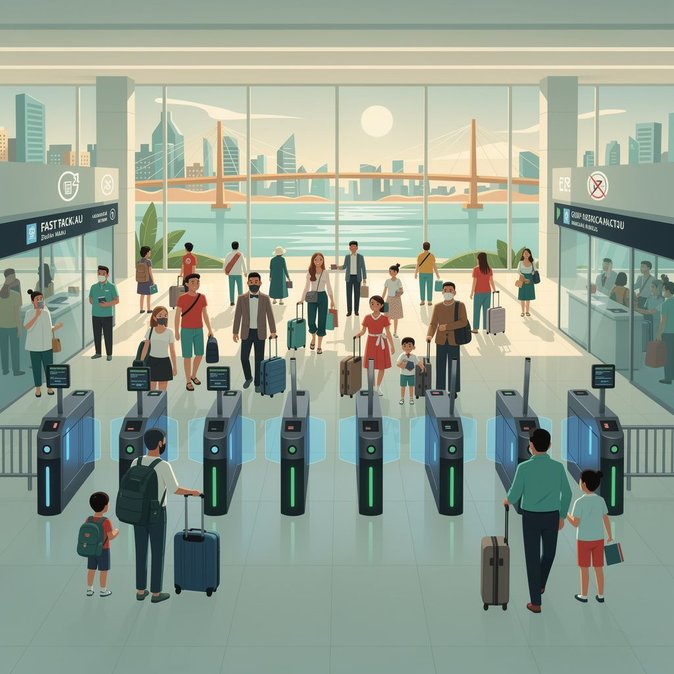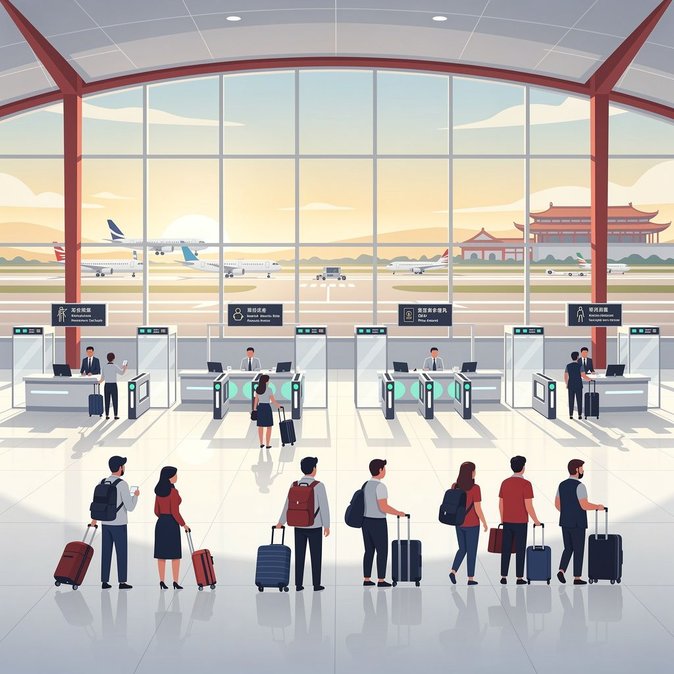
Beijing Capital International Airport (PEK) says it expects to process more than 12 million passengers between July 1 and August 31, China’s traditional “summer transport season.” Airport authorities told local media on 15 July that they foresee handling 73,000 flight movements—an average of 1,180 take-offs and landings every day, rivaling pre-pandemic volumes. The busiest spell is projected for the first week of August, when daily throughput could top 230,000 travelers. International and regional traffic is the stand-out driver of growth. Demand for long-haul services has rebounded sharply as China’s unilateral visa-free policy for 50 countries and expanding flight rights under bilateral air-service agreements take hold. PEK has restored, or will shortly restore, non-stop links to 80 overseas cities, and Chinese carriers are up-gauging aircraft on trunk routes to North America and Europe. Business-class load factors are reportedly approaching 2019 levels, suggesting corporate travel budgets are finally loosening. The airport has reopened all security lanes and automated e-gates and is trialing a biometric “one-ID journey” for selected international departures. During the peak weeks, 20 temporary border-control counters will be staffed to keep queueing times under 30 minutes. PEK has also arranged round-the-clock rapid-response teams for baggage and air-side operations to cope with the heat and summer thunderstorms that typically snarl Beijing’s air-traffic flow. For mobility managers, the message is two-fold. First, capacity is back—but so are crowds. Companies should remind assignees to leave extra time for check-in and security, especially when connecting to domestic feeder flights that use different terminals. Second, with airport slots and hotel rooms at a premium during the Aug-Sept conference season, early booking and flexible ticket conditions are advisable. The resurgence of long-haul lift into Beijing also opens more routings for regional hub-and-spoke itineraries, potentially lowering total travel time for managers moving staff between North China, Europe and the Americas.
Source: China.com.cn