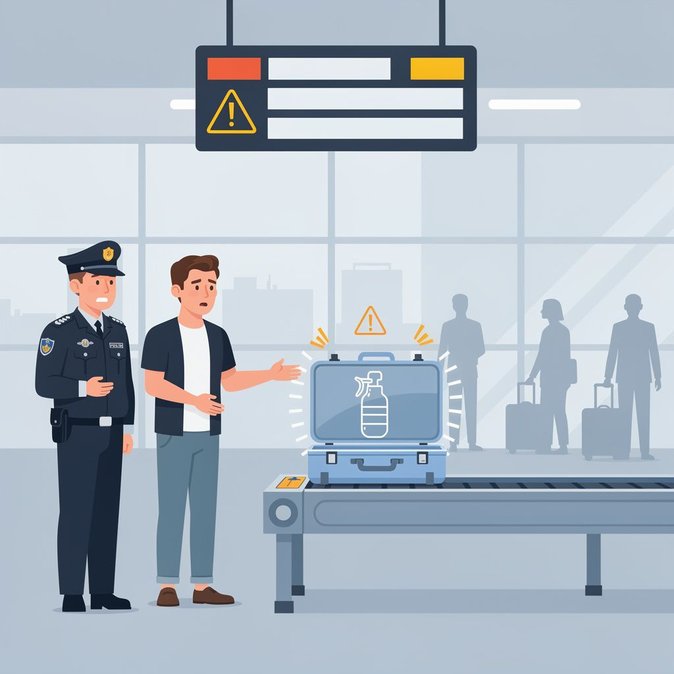
Hong Kong police arrested a 47-year-old American passenger on 13 July after he allegedly claimed his 13-year-old son’s checked bag contained a bomb in a bid to delay a flight. He was released on bail on 15 July pending investigation for offences under the Aviation Security Ordinance and possession of prohibited weapons, including a stun gun and switchblade. Although no evacuation was necessary, the incident triggered a security sweep and minor delays across two departure zones. Airlines estimate that each false alarm costs upwards of HK$500,000 in operational disruption and missed connections. For corporate travel planners, the episode is a reminder that passenger misconduct can ripple through tight itineraries—particularly during summer peak traffic when runway slots are scarce. Companies should ensure travellers understand severe penalties for hoaxes under Hong Kong law: up to HK$1 million in fines and imprisonment for life in extreme cases. Insurance managers may also wish to review policy language on wilful acts; many corporate travel policies exclude coverage if an employee’s deliberate false statement causes the loss. Training modules on airport conduct could mitigate such risks. HKIA handled 4.8 million passengers in June 2026, 86 % of pre-pandemic levels, leaving little slack in the system. Even brief stoppages can cascade, so contingency buffers in meeting schedules remain advisable.