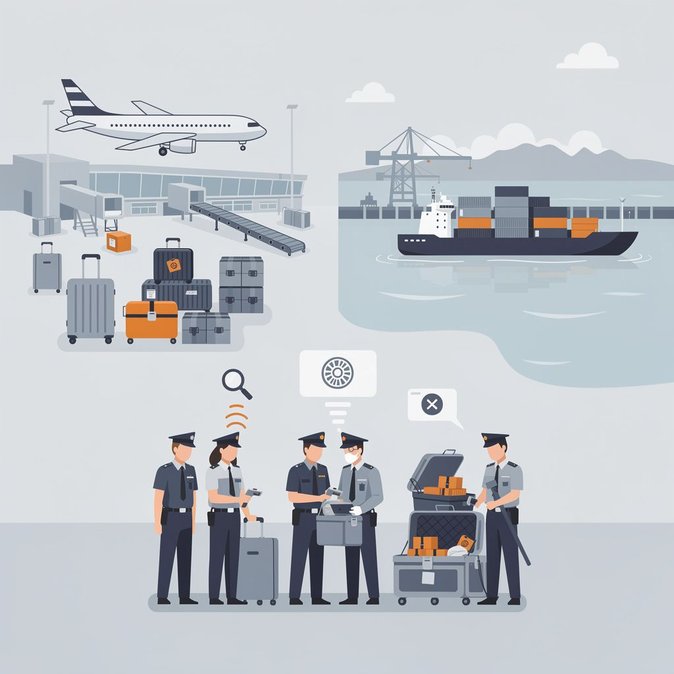
Frontex on 16 July disclosed the results of Joint Action Days ‘Pirates 4’, a border-control blitz that ran from 15 to 26 June across Europe’s external crossings. Authorities from 12 EU member states – including Belgium – plus Serbia, Ukraine and the U.K. confiscated more than 1.7 million counterfeit or undeclared items worth an estimated €17.4 million. Seizures ranged from pharmaceuticals and e-cigarettes to firearms, gold and rare wildlife specimens. Belgium’s Customs & Excise service deployed officers to Brussels Airport’s cargo zone and to Zeebrugge Port, targeting high-risk container consignments flagged through the EU’s Import Control System 2. The operation resulted in 11 refusals of entry at Belgian checkpoints, the detection of two forged travel documents and the recovery of 68,000 fake luxury goods destined for Antwerp’s grey market, according to a senior official quoted in the national press. The action underscores the growing overlap between intellectual-property crime and cross-border mobility. Counterfeit supply chains often rely on visa-free couriers or passengers with tourist Schengen visas to hand-carry high-value items through airports. Mobility compliance teams should therefore expect stricter secondary screening of luggage on inbound European itineraries and advise travelling employees to allow extra time at customs. For companies importing legitimate merchandise, the sweep is a reminder to maintain watertight documentation. Belgian customs used the BE-Gate platform to fast-track compliant e-commerce parcels; shipments lacking detailed invoices or origin certificates faced hold-ups of up to 72 hours. Frontex says follow-up investigations are under way, with Europol coordinating intelligence on the criminal networks involved. Additional targeted checks are planned for the Christmas peak season, potentially affecting air-cargo capacity and clearance times at Brussels and Liège.
Source: 2EU Brussels