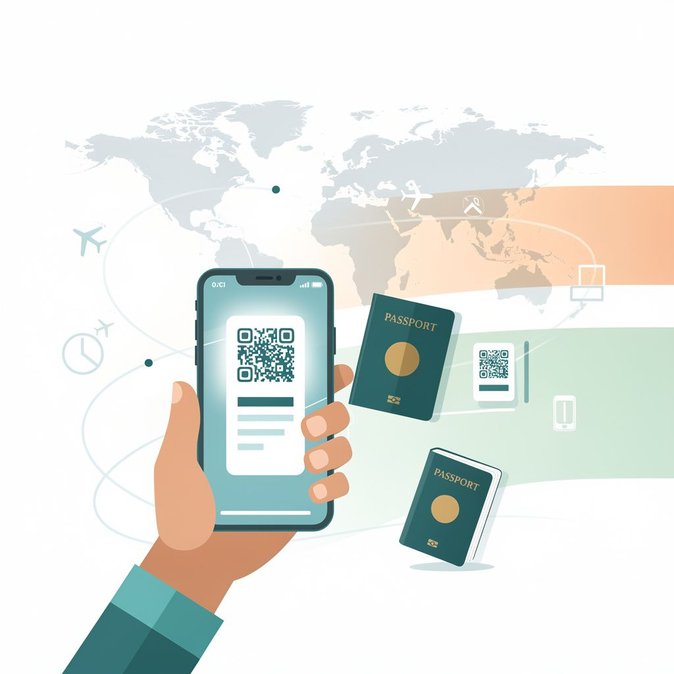
Overseas Citizens of India (OCI) no longer have to worry about misplacing their blue-covered booklet. On 16 July 2026 the Ministry of Home Affairs confirmed that a fully digital "e-OCI" card is now live across all Immigration Check-Posts (ICPs). The Consulate-General of India in Houston, which handled pilot onboarding, updated its website this morning to note that from 8 July all new OCI approvals are issued only in electronic form. Card-holders generate the e-OCI via the OCI Services portal and store it in the ‘Indian Visa Su-Swagatam’ mobile app or any standard wallet application. At the airport, travellers present the QR-coded e-OCI alongside their passport; immigration officers scan the code to pull records from the IVFRT back-end. Airlines have been briefed to accept the digital credential during check-in, bringing India in line with Australia’s ETA and Singapore’s smart-card-less PR model. Nothing changes for existing booklet-holders—the physical card remains valid—but frequent travellers are being encouraged to download the digital version. Doing so avoids damage to the booklet, removes courier costs for re-issuance and speeds up self-service kiosk trials under the Fast Track Immigration–Trusted Traveller Programme (FTI-TTP) being extended to 13 airports. For global-mobility teams, the e-OCI is a practical win. Indian-origin employees posted overseas often travel on short notice and occasionally discover an expired or misplaced OCI booklet a night before departure. HR can now walk them through a five-minute digital download instead of organising tatkal visa facilitation. The move also dovetails with the government’s wider IVFRT 2.0 roadmap that aims for fully contactless immigration processing by 2030. Corporates should update their travel policies to allow electronic presentation of OCI status and advise travellers to keep the e-OCI PDF or app offline-available in case of connectivity issues at smaller airports.