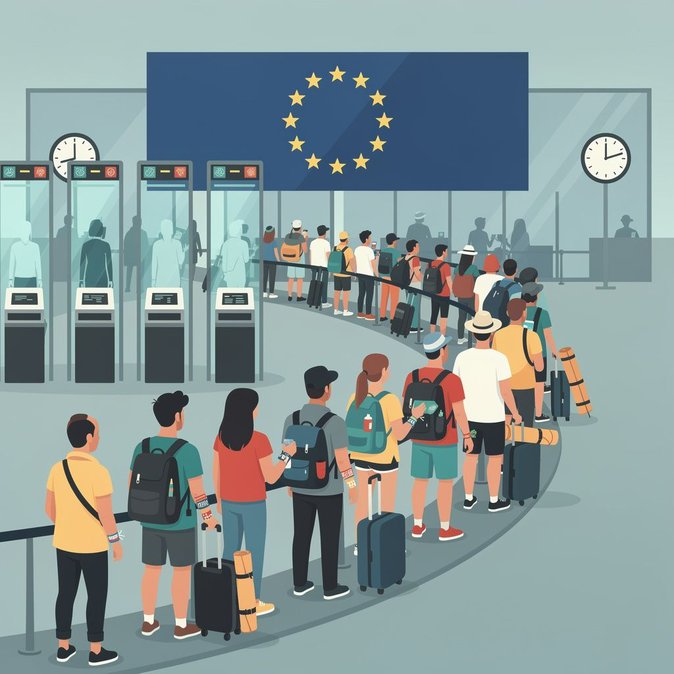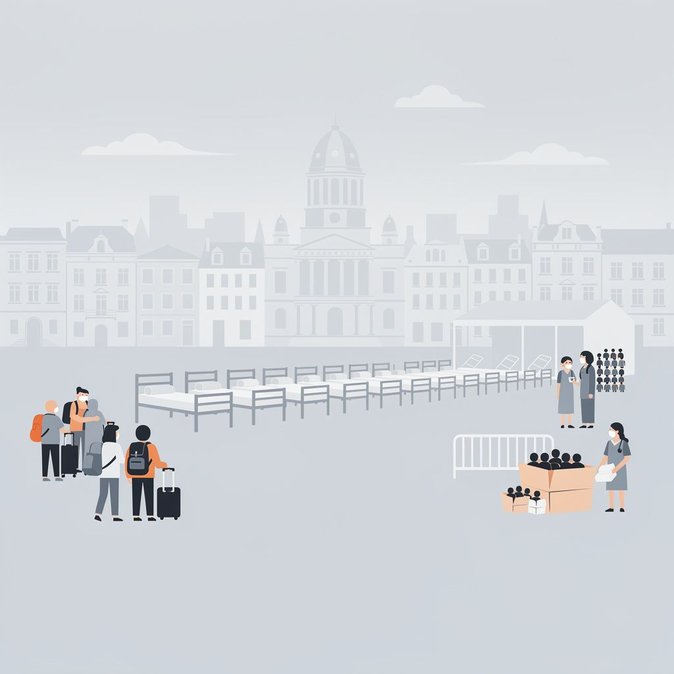
Belgium’s Asylum and Migration Minister Anneleen Van Bossuyt (N-VA) has announced a second round of cuts to the so-called “Brussels Deal”, removing a further 700 reception places for asylum seekers in the capital. The move—revealed on 16 July but confirmed in a Friday press briefing—comes on top of 300 places already withdrawn at the end of June, reducing the federally funded capacity for unaccompanied men from 2,000 beds to just 1,000. The Brussels Deal, agreed in 2022, channels €47 million a year from the Federal Government to the Brussels-Capital Region to compensate Fedasil’s overstretched national network. Van Bossuyt argues that waiting lists have fallen and that “taxpayers’ money should not pay for empty beds,” insisting that half the remaining 1,000 men are currently housed with friends or family. Brussels ministers have reacted furiously. Regional Welfare Minister Ahmed Laaouej (PS) warned of a looming “social crisis”, claiming the Federal government has presented the region “with a fait accompli”. Finance Minister Dirk De Smedt called the decision a “full-scale attack on Brussels”, predicting overflow into already saturated homeless shelters. For global mobility managers and NGOs supporting corporate refugees and humanitarian staff, the abrupt capacity squeeze raises practical concerns. Fewer reception places mean longer commuter journeys for legal and medical appointments, greater pressure on short-term housing markets, and possible reputational risks for companies relocating vulnerable employees. Legal advisers note that asylum applicants relocated outside Brussels may face delays accessing services located near the Immigration Office at Boulevard Pacheco. Van Bossuyt says she intends to end the Brussels Deal entirely by year-end, once Fedasil expands alternative accommodation. Whether that timeline is realistic remains contested, but companies working with asylum-related talent or humanitarian secondees should prepare for tighter housing availability in Brussels and monitor further policy shifts after the summer recess.
Source: The Brussels Times