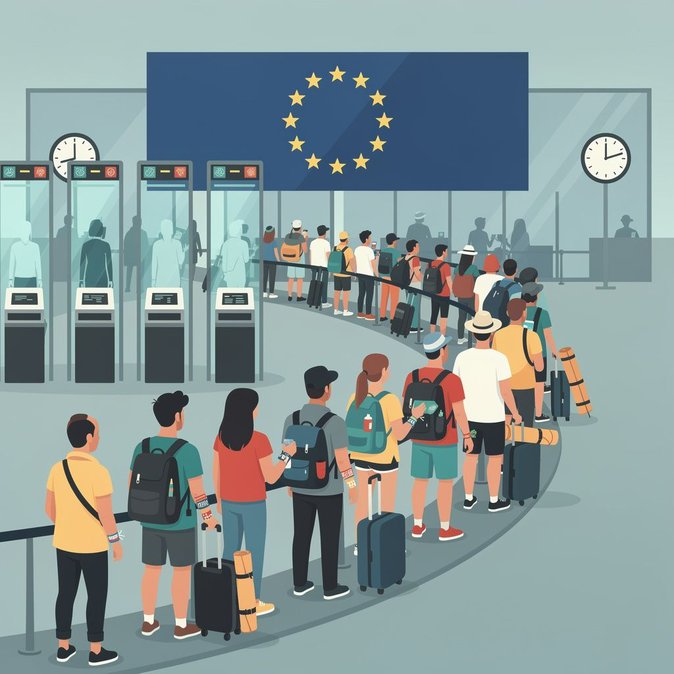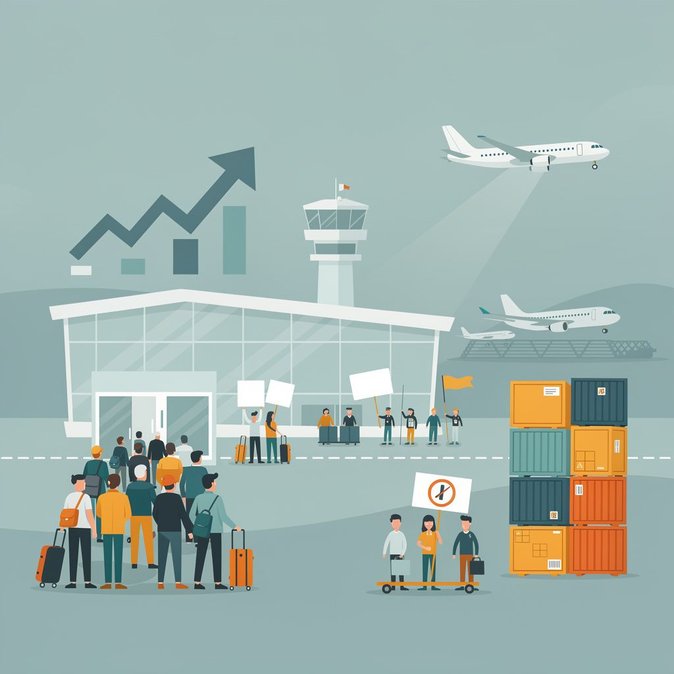
Brussels Airport reported on 17 July that it handled 11.68 million passengers in the first half of 2026—a 3.6 percent increase year on year—despite a turbulent spring marred by nationwide general strikes and a surprise 24-hour walkout at air-navigation provider skeyes. Cargo throughput also rose, reaching almost 420,000 tonnes, up 8.3 percent. Management credited the resilience to eight newly launched routes, including Air China’s service to Chengdu and LATAM’s long-awaited Brussels–São Paulo nonstop, Belgium’s first direct link with South America in 25 years. The diversified network helped offset temporary suspensions to Tel Aviv and reduced Gulf capacity amid regional conflict. Labour unrest nevertheless exacted a toll: strikes in March and May disrupted some 55,000 passengers, while the skeyes walkout in early June cancelled all movements for an entire day. Industry analysts warn the recurring disputes threaten the airport’s reliability at a time when European hubs are vying for post-pandemic long-haul growth. For multinationals basing regional teams in Brussels, the data are a mixed signal. On the one hand, new intercontinental links improve talent mobility and cargo logistics; on the other, the threat of industrial action remains a planning consideration. Travel-policy consultants recommend maintaining contingency agreements with alternative airports such as Amsterdam Schiphol or Paris CDG, and ensuring that assignment contracts include force-majeure clauses covering prolonged disruption. Brussels Airport says it is continuing discussions with unions and skeyes to implement early-warning mechanisms ahead of future labour actions and is investing in additional e-gates to speed passenger flow ahead of the full ETIAS rollout.
Source: Aviation.Direct