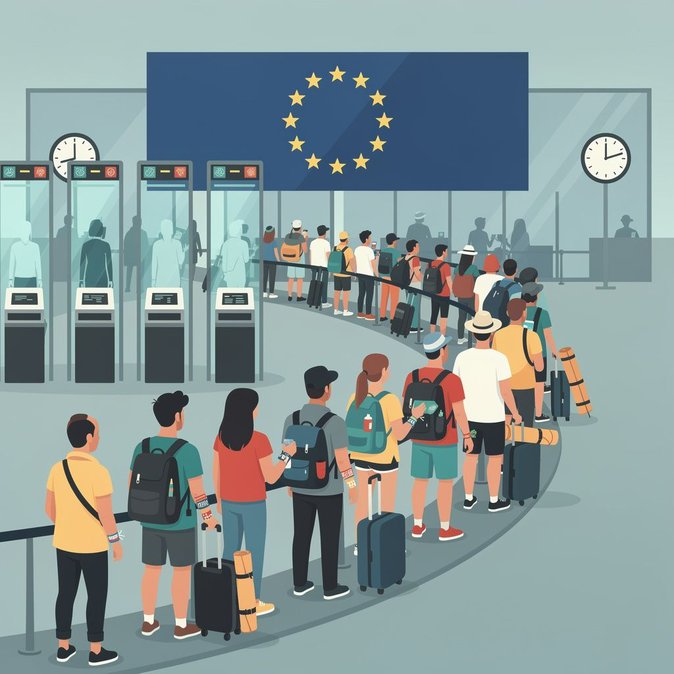
Hundreds of non-EU travellers arriving at Brussels Airport for the opening weekend of Tomorrowland reported passport-control waits of up to six hours on 17 July. Social-media posts on the festival’s Reddit forum described serpentine queues in the non-EU zone despite the installation of 61 new self-service kiosks and additional booths. This year’s festival is the first to coincide with full implementation of the EU’s Entry/Exit System (EES), which since 10 April records biometric data and digital stamps for all third-country nationals entering or leaving the Schengen Area. While designed to enhance security and automate the 90/180-day calculation, the extra step has lengthened border formalities at busy hubs, and airlines have lobbied for procedural flexibilities during peak season. Brussels Airport management had flagged the risk months earlier, citing a 25 percent shortage of federal-police officers assigned to passport control. Business-travel bodies such as the Belgian Association of Travel Management (BATM) caution that the delays are not limited to festival-goers: executives holding Canadian, US or British passports could face similar bottlenecks when connecting to intra-EU flights. Officials have yet to publish official wait-time data or attribute the latest queues solely to EES. Nevertheless, global-mobility teams are urged to inform travellers to allow extra time, pre-register via airline facial-biometrics programmes where available, and avoid tight connections. Companies relocating talent to Belgium should also factor in potential onboarding delays if residence-permit appointments coincide with holiday peaks. Looking ahead, the EU plans to roll out ETIAS travel authorisation by late 2026—another layer of pre-screening that could affect US and UK nationals. Belgium’s experience this weekend underscores the importance of resourcing border-control agencies adequately before additional digital systems go live.
Source: EDMTunes