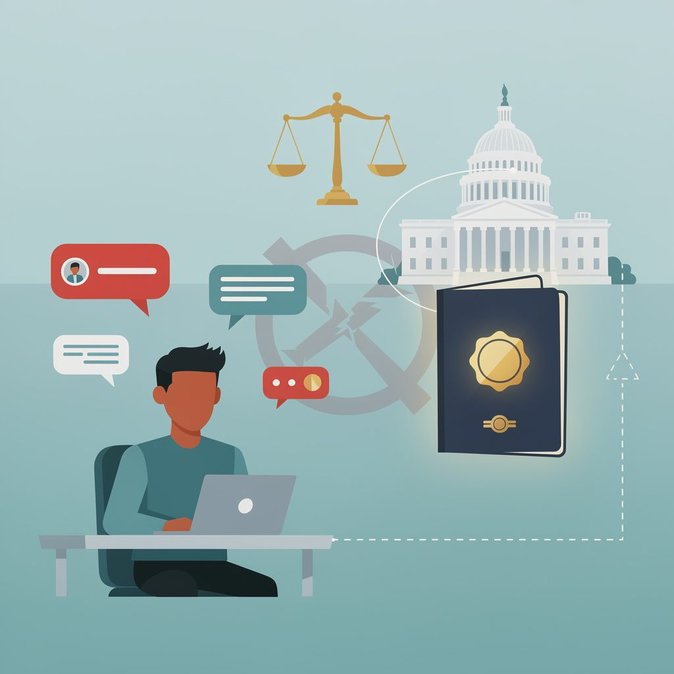
A federal district court in Washington, DC has issued a nationwide temporary stay on State Department guidance that allowed consular officers to refuse or revoke visas for foreign nationals engaged in content moderation, fact-checking or misinformation research. The 16 July order comes in Coalition for Independent Technology Research v. Rubio, a case alleging the policy chilled First-Amendment-protected speech. Since December 2025, consular officers could treat “censorship activities” as a security concern, leading to anecdotal reports of visa denials for social-media trust-and-safety professionals and journalists. The court found plaintiffs likely to succeed on Administrative Procedure Act grounds and halted enforcement while merits are litigated. Practically, the decision removes an unpredictable obstacle for tech firms that regularly bring overseas trust-and-safety staff to the United States for training or project work. Companies should, however, document applicants’ job duties carefully, as broader social-media vetting protocols remain in place for nearly all visa classes. The State Department is expected to appeal, and the court could still uphold narrower parts of the policy. Meanwhile, immigration counsel advise travellers previously refused under the guidance to consider reapplying and referencing the court order. Public-affairs teams should monitor for updates, as a reversal could come quickly at the appellate level. The case underscores growing tension between national-security vetting and free-speech concerns—a dynamic likely to spur further litigation and policy swings that corporate travel managers will need to track closely.
Source: Fragomen