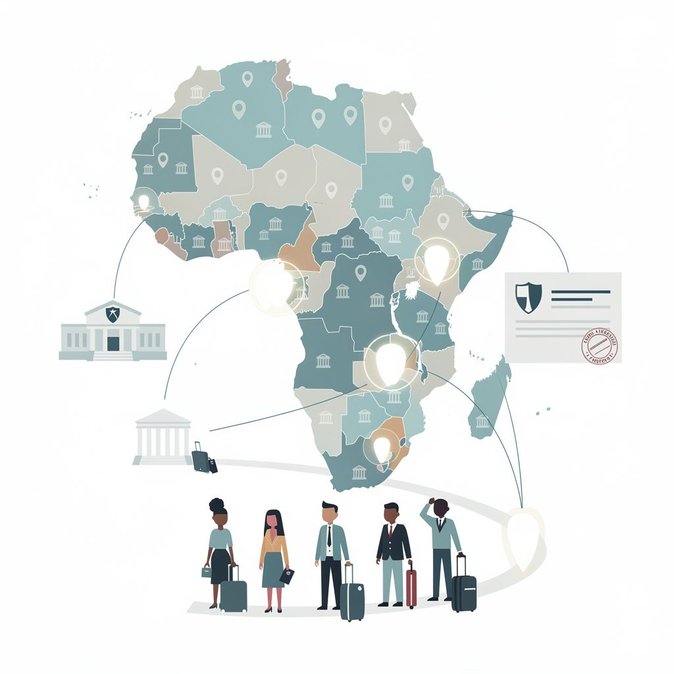
Seeking to standardise adjudication and shorten wait times, the U.S. State Department will shift routine immigrant and non-immigrant visa work from 28 smaller African posts to 19 larger “regional hubs” effective 1 August 2026. Consulates in Abidjan, Nairobi, Lagos, Addis Ababa and 15 other cities will absorb applications from neighbouring missions that will retain only emergency services and American-citizen work. Applicants from countries such as Mali, Botswana or Namibia will now schedule appointments and pay Machine-Readable Visa (MRV) fees at designated hub embassies. Medical examinations, document translation and courier options may also change. The Department has published extensive FAQs, but travel-state.gov warns of temporary appointment backlogs as caseloads shift. For U.S. companies rotating staff through West and Central Africa, the consolidation means longer travel distances for visa interviews and potential lodging costs near the hub posts. Employers should advise travellers to book early and factor in added time for security-screening backlogs. Third-country nationals resident in hub countries may benefit from shorter queues once the system stabilises. The move mirrors regionalisation pilots in the Caribbean and Pacific Islands and reflects budget pressures as well as a drive toward uniform anti-fraud vetting. Consular teams will share biometrics data and use identical interview-waiver criteria, which could ultimately speed decisions for low-risk travellers. Stakeholders should update invitation letters with the correct hub address and remind applicants to check revised police-certificate and medical-panel requirements, which may now differ from those of their home country.
Source: Fragomen