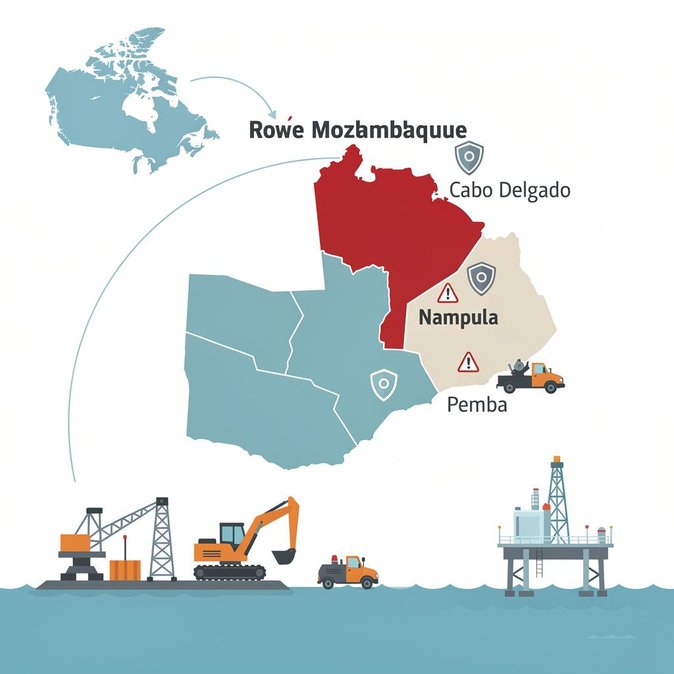
The July 22 (14:05 ET) update to Canada’s Mozambique advisory is stark: Cabo Delgado province and two districts of neighbouring Nampula are now “avoid all travel,” while Pemba City has shifted to “avoid non-essential travel.” The change reflects intelligence that insurgent groups linked to Islamic State have renewed attacks on villages and convoys, threatening TotalEnergies’ LNG site at Afungi. For Canadian mining and construction contractors—many of whom transit Via Maputo— the expanded red zone complicates worker rotations. Helicopter transfers from Pemba to offshore platforms must now file flight plans directly with Mozambique’s military to avoid misidentification, and costs have risen 30 percent in 48 hours, according to local charter brokers. Supply-chain teams should expect road-haulage insurance surcharges on the N14 and EN8 corridors connecting to the Tanzanian border. Food-service suppliers for humanitarian agencies report that refrigerated trucks are already subject to armed-escort requirements, adding US$900 per trip. The advisory also highlights spill-over crime along the South Africa land border—an often overlooked risk for Canadian overlanders exporting equipment from Durban. Drivers are advised to travel in daylight and maintain locked cabs at all times. Given the elevated threat, organisations should confirm that kidnap-for-ransom insurance includes coverage for insurgent-held territories and review crisis-management protocols with local embassies.